




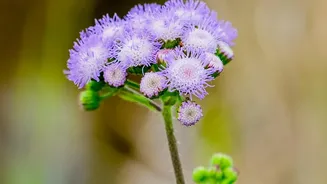
A Once-in-a-Dozen-Year Miracle
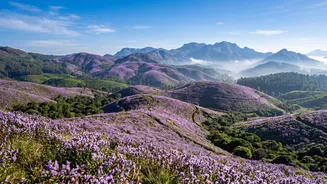
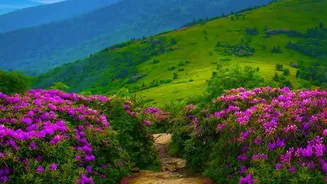
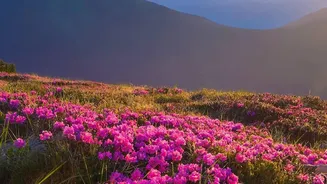
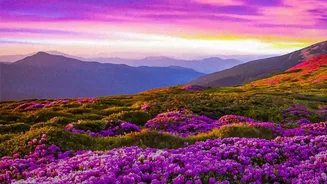
Imagine entire mountainsides draped in a carpet of purplish-blue flowers, stretching as far as the eye can see. This is the phenomenon of the Neelakurinji, or Strobilanthes kunthiana, a shrub endemic to the high-altitude shola grasslands of the Western
Ghats. This mass flowering is a rare, synchronized event. The last major bloom in Munnar's most famous locations like Eravikulam National Park happened in 2018, transforming the landscape into an ethereal dreamscape. The plant itself is what botanists call monocarpic; it flowers just once in its lifetime, sets seed for the next generation, and then dies. This patient, 12-year life cycle is what makes each blooming season a globally anticipated event, drawing visitors from all over the world to witness nature’s grand, fleeting performance.
An Ecological and Cultural Anchor
The Neelakurinji is far more than just a pretty flower. Its name is believed to have given the Nilgiri Mountains, or 'Blue Mountains', their name. Ecologically, it serves as an indicator species, reflecting the health of the fragile shola ecosystem. When it blooms, the abundance of nectar creates a feast for pollinators, especially honeybees and butterflies, playing a vital role in the local food web. Culturally, the flower is deeply woven into the region’s heritage. The local Paliyan and Muthuvan tribal communities have traditionally used the 12-year blooming cycle to mark time and calculate their age. It’s also immortalised in classical Sangam literature, where 'Kurinji' denotes the mountainous landscape itself, signifying its deep connection to the land and its people.
The Complicated Calendar of Blooms
While the 12-year cycle is its most famous trait, the story is more complex. Not all Neelakurinji populations across the Western Ghats flower in the same year. Different clusters are synchronized to different 12-year schedules. This is why, even though the next grand bloom in Eravikulam National Park is expected in 2030, other parts of the Munnar region, like the hills around Mattupetty and Chokramudi, have been witnessing their own spectacular bloom in 2026. This staggered timeline is a natural variation, offering more opportunities for sightings but also highlighting the distinct, localised nature of these plant communities and the need for widespread conservation.
A Treasure Under Threat
Here is why the bloom deserves another look: this natural wonder is in jeopardy. The Neelakurinji has been officially classified as a 'Vulnerable' species by the IUCN. Its habitat, the unique shola grasslands, is shrinking at an alarming rate. Large tracts have been lost to tea and eucalyptus plantations, infrastructure projects, and urbanisation. The massive influx of tourism during blooming seasons, while economically beneficial, puts immense pressure on the delicate ecosystem. Unregulated tourism leads to trampling of the shrubs, soil degradation, and waste accumulation, all of which hinder the plant's ability to regenerate. Experts warn that these pressures, combined with climate change which can disrupt flowering cycles, pose a significant threat to the long-term survival of the species.
Preserving the Blue for the Future
The fight to save the Neelakurinji is a fight to save a piece of the Western Ghats' soul. Conservation efforts are underway, including the creation of protected areas like the Kurinjimala Sanctuary, established in 2006 to safeguard the flower's habitat. However, the challenges remain immense. The focus is now on promoting sustainable tourism, restoring degraded grasslands by removing invasive species, and implementing scientific fire management practices that support the plant's life cycle. The next major bloom in 2030 will not just be a tourist event; it will be a crucial test of these conservation efforts. It will show whether we have done enough to protect this irreplaceable natural heritage for generations to come.