




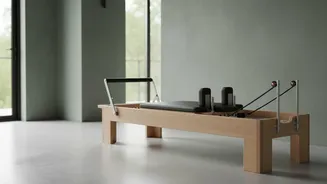
The Pilates Approach: Precision and Control
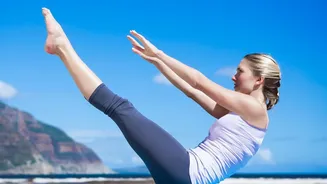
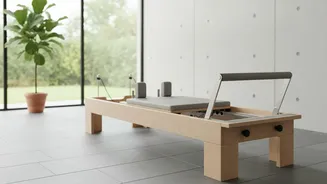
Pilates is a low-impact exercise method that emphasizes controlled movements, proper breathing, and deep core engagement. Developed by Joseph Pilates, its core principles are concentration, control, centering, flow, precision, and breath. When it comes
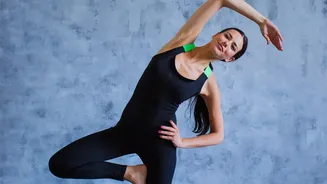
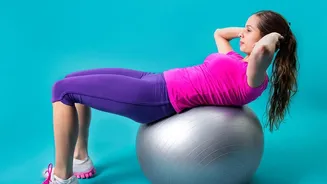
to abs, Pilates is exceptional at targeting the deep, stabilizing muscles of the core, often called the 'powerhouse'. This includes the transverse abdominis, which acts like a corset for your midsection, and the muscles supporting the spine. Rather than performing endless crunches, a Pilates routine focuses on precise, slow movements that build strength from the inside out, improving posture and creating a foundation of true core stability. This method is less about high-intensity calorie burn and more about creating long, lean muscle tone and enhancing body awareness.
The Circuit Workout Method: Intensity and Calorie Burn
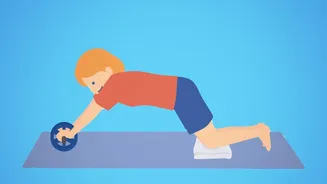
Circuit training is a completely different beast. It involves performing a series of different exercises back-to-back with minimal rest in between. A typical circuit will combine strength exercises (like push-ups and squats) with cardiovascular movements (like jumping jacks or burpees). The primary advantage here is efficiency and intensity. By keeping your heart rate elevated, circuit training maximizes calorie expenditure both during and after the workout, thanks to a phenomenon known as the afterburn effect (EPOC). For abs to be visible, you often need to reduce the layer of body fat covering them, and this is where circuit training shines. It's a powerful tool for overall fat loss, which in turn helps reveal the abdominal muscles you're working to strengthen.
Head-to-Head: Muscle Toning
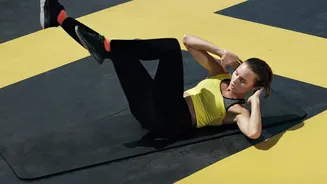
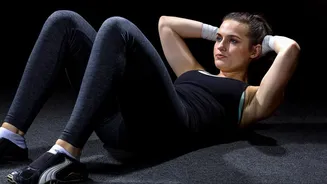
So which one actually tones your abs better? It depends on which muscles you're trying to tone. Pilates excels at strengthening the deep core stabilizers. Studies have shown Pilates to be particularly effective at conditioning the transversus abdominis. This leads to a flatter-looking stomach, improved posture, and a more stable spine. Circuit training, especially with ab-focused exercises like Russian twists or bicycle crunches, tends to target the more superficial abdominal muscles like the rectus abdominis (the 'six-pack' muscles) and the obliques. These exercises, performed with intensity, can help build more visible muscle definition. Pilates provides the foundation, while circuits can provide the visible detail.
Head-to-Head: Fat Burning Potential
There's a clear winner when it comes to pure calorie burn: circuit training. The high-intensity nature of circuits can burn 300-500 calories or more in a 30-minute session. In contrast, a beginner Pilates mat class might burn around 175-250 calories in a 50-minute session. While advanced or reformer Pilates can burn more, it generally doesn't match the metabolic demand of high-intensity interval training (HIIT) style circuits. For significant fat loss, which is essential for making abs pop, circuit training has the edge. It elevates your metabolism for hours after the workout is over, contributing to greater overall fat reduction.
Flexibility, Posture, and Injury Prevention
Fitness isn't just about aesthetics; it's also about how your body functions. This is where Pilates has a distinct advantage. Its focus on controlled movement, body alignment, and flexibility can dramatically improve your posture and reduce the risk of injury, especially lower back pain. A strong, stable core built through Pilates supports your spine in every activity you do. Circuit training can sometimes lead to injury if proper form is sacrificed for speed. The fast-paced nature requires a good base level of fitness and body awareness to perform safely. Pilates helps build that very awareness and stability.
The Verdict: Which Is Right for You?
Instead of asking which workout is better, ask which one is better for your specific goals. If your primary aim is to build a rock-solid foundation, improve your posture, gain flexibility, and flatten your stomach by strengthening your deepest core muscles, Pilates is an excellent choice. If your main goal is to lose body fat to reveal your abs, boost your overall cardiovascular fitness, and you enjoy a high-energy, sweat-inducing workout, then circuit training is your winner. Each method targets the 'toned abs' goal from a different, yet equally valid, angle.