


Setting the Stage for Your Tasting
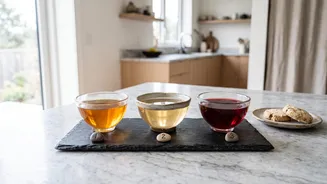
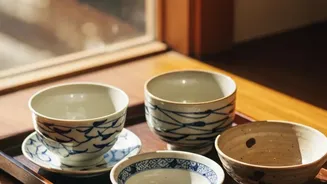
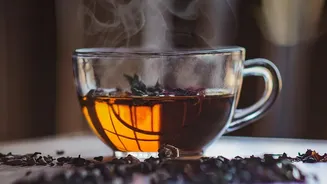
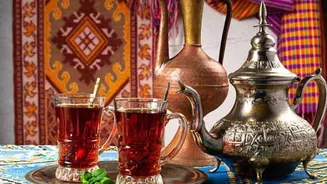
You don’t need a collection of elaborate equipment to host a successful tea tasting. Start with the basics: a selection of three to five different loose-leaf teas, a kettle, a timer, and small cups for each guest. White porcelain or glass cups are ideal
as they allow you to appreciate the colour of the brewed tea, which is the first step in any tasting. Provide one cup per tea for each guest if possible. You’ll also want some neutral palate cleansers, like plain crackers or water, to reset your senses between teas. Finally, have note cards or a tasting sheet ready so guests can jot down their impressions.
Choosing and Brewing Your Teas
The key to a good tasting is variety. Choose a theme to guide your selection, such as exploring different types of tea (green, oolong, black, white), teas from a specific region, or a flight based on a flavour profile (e.g., floral or malty). When it's time to brew, water temperature and steeping time are critical. Different teas require different parameters to bring out their best qualities. For instance, delicate green teas often need cooler water (around 71-85°C), while robust black teas can handle boiling water (100°C). Steeping all the teas for the same amount of time, such as three minutes, can provide a fair comparison, but be mindful that this can make some teas bitter. The goal is to prepare each tea correctly to showcase its intended character.
The First Step: Unlocking Aroma
Much of what we perceive as flavour is actually aroma. The tasting process begins before you even take a sip. Start by observing and smelling the dry leaves; notice their shape, colour, and scent. Once the tea is brewed, take a moment to inhale the fragrance rising from the cup. You can also smell the wet leaves left in the infuser, which often release new, more intense aromas. Encourage your guests to think about what the scents remind them of. Don’t worry about finding the 'right' words immediately. The first step is simply to notice. Does it smell earthy like a forest floor, floral like jasmine, or sweet like honey?
Decoding Flavour and Mouthfeel
Now it’s time to taste. Professionals often slurp the tea to spray it across the entire palate and allow aromas to reach the back of the nose, but a simple sip is perfectly fine. Let the tea sit in your mouth for a moment. Notice the basic tastes: is it sweet, bitter, or even slightly savoury (umami)? Beyond these, consider the 'mouthfeel', which is the physical sensation in your mouth. Words like 'brisk', 'smooth', 'creamy', or 'full-bodied' describe this texture. Astringency, that drying or puckering sensation, is another key component, especially in black teas. Note how the flavour changes from the first sip to the aftertaste, which is called the 'finish'.
Using a Flavour Wheel for Inspiration
If you're stuck for words, a tea flavour wheel can be an incredibly helpful tool. These wheels organize aromas and tastes into broad families at the center (like 'floral', 'fruity', 'vegetal', 'spicy', or 'earthy') and branch out into more specific descriptors on the outer edges (like 'rose', 'citrus', 'fresh grass', 'cinnamon', or 'cocoa'). For example, a black tea might fall into the 'malty' category, with specific notes of honey or toasted bread. A Japanese green tea might be 'vegetal' with notes of spinach or seaweed. The wheel isn't a test; it's a vocabulary map to help you connect what you're sensing with a word, making your tasting experience richer and more descriptive.