


First, Understand Your Sunlight
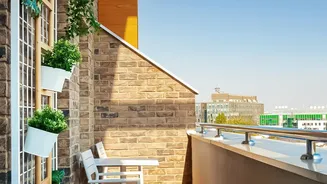
Before buying a single plant, become an observer of your own space. The single most important factor for a thriving balcony garden is sunlight. Note how many hours of direct sun your balcony receives and at what time of day. A south-facing balcony might
get over six hours of intense sun, while a north-facing one may get none at all. East-facing spots get gentle morning light, and west-facing ones receive harsh afternoon heat. This assessment is crucial because choosing a plant that suits your light conditions is the first step toward success and prevents the common mistake of buying a beautiful plant that is doomed from the start.
Sun-Loving Stars for Bright Balconies
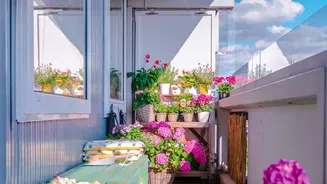
If your balcony is blessed with five or more hours of direct sun, you have a vibrant palette of flowering plants to choose from. Bougainvillea is a classic choice, known for its stunning, colourful bracts and drought tolerance. Hibiscus, or 'gudhal', offers large, brilliant blooms daily and adds a tropical feel. Marigolds are another excellent option; they are easy to grow, thrive in heat, and their flowers in shades of orange and yellow add a cheerful touch. For fragrance, consider jasmine varieties like Mogra or Chameli, which can fill your evenings with a sweet scent. These sun-worshippers will reward you with abundant growth and colour.
Thriving in the Shade
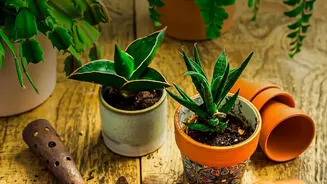
A balcony with limited direct sunlight doesn't mean you can't have a garden. The key is to focus on foliage and shade-tolerant species. The ubiquitous Money Plant (Pothos) is incredibly versatile and can handle indirect light well. Snake Plants are another nearly indestructible option, valued for their air-purifying qualities and striking upright leaves. For a touch of elegance, consider the Peace Lily, which can produce beautiful white spathes even in low light. Ferns, Areca Palms, and Spider Plants also do well in shaded or partially shaded conditions, creating a lush, green retreat without needing hours of direct sun.
The Edible Balcony Garden
There's immense satisfaction in harvesting your own food, no matter how small the space. Many herbs and vegetables are perfectly suited for container gardening. For a sunny spot, cherry tomatoes and chillies are productive choices, though they will need support and consistent watering. Herbs like Mint, Tulsi (Holy Basil), and Coriander are fantastic for beginners. Mint is famously aggressive, so it's best to give it its own pot to prevent it from taking over. Leafy greens like spinach and lettuce can also be grown, especially in cooler weather, and many varieties tolerate partial shade.
Go Vertical and Save Space
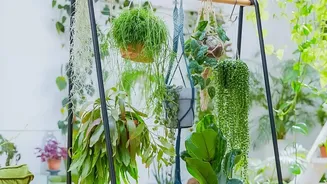
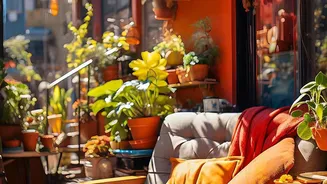
In a small balcony, the only way to go is up. Vertical gardening is not just a trend; it's a practical solution for urban homes. Utilising wall-mounted shelves, railing planters, and trellises can dramatically increase your growing area without cluttering the floor. Climbing plants like the Aparajita (Butterfly Pea) with its stunning blue flowers, or fragrant vines like Madhumalti, are perfect for training up a trellis. Hanging baskets are ideal for trailing plants like Fuchsia or certain varieties of Petunia, drawing the eye upward and adding layers and depth to your garden design.
Low-Maintenance Heroes for Busy People
If you have a packed schedule, choose plants that thrive on a bit of neglect. Snake Plants and Aloe Vera are famously low-maintenance, requiring infrequent watering. The Curry Leaf (Kadi Patta) plant is another practical and hardy choice that, once established, provides fresh leaves for your kitchen with minimal fuss. Bougainvillea also falls into this category, as it prefers to dry out between waterings and blooms more profusely with less care. Selecting these resilient plants means you can enjoy the benefits of a green space without the stress of a demanding care routine.