





Understanding the Riverbank Rituals
Chhath Puja, a four-day festival of immense cultural significance, culminates in two key rituals performed at water bodies. The first is 'Sandhya Arghya', the evening offering to the setting sun on the third day. Devotees, known as 'vratis', stand waist-deep
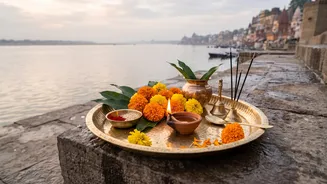
in water and present offerings of fruits, sweets like Thekua, and other items in bamboo baskets ('soops'). This is an act of gratitude for the sun's life-giving energy. The second, 'Usha Arghya', takes place before dawn on the fourth and final day, where similar offerings are made to the rising sun, symbolising hope and renewal. In 2026, the Sandhya Arghya falls on Sunday, November 15, and the Usha Arghya on Monday, November 16. These rituals, performed with immense devotion, bring entire communities together on the banks of rivers and ponds.
Patna: The Epicentre of Devotion
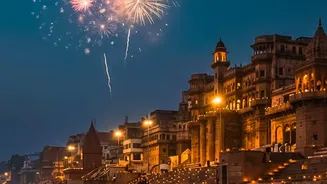
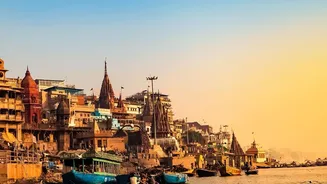
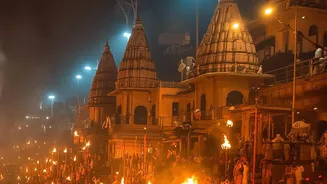
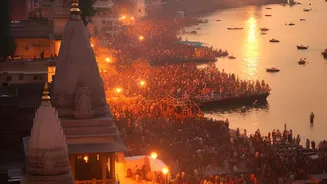
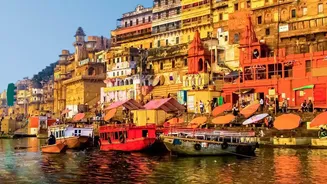
Patna, the state capital, hosts the most extensive Chhath celebrations, with its entire stretch of Ganga ghats turning into a single, continuous site of worship. The district administration prepares dozens of ghats for the millions who gather. Among the most prominent are Gandhi Ghat, known for its space and organised Ganga Aarti, and Collectorate Ghat, which often features cultural programmes. Digha Ghat, on the western side, is favoured for its serene, expansive views, making the sunrise and sunset rituals particularly captivating. Mahendru Ghat offers a glimpse into the festival's most traditional practices, attracting families who have followed rituals there for generations. For these two days, the riverfront in Patna is a pedestrian-only zone, filled with the sounds of folk songs and a palpable sense of community faith.
Munger and its Historic Kastaharni Ghat
In Munger, the focal point of Chhath Puja is the historic Kastaharni Ghat, located along the Ganga. The name itself translates to 'remover of suffering', and a dip in the river here is considered deeply purifying. The ghat holds profound religious importance and is a major gathering point for devotees offering Arghya. Local tradition in Munger also connects the origins of Chhath to the region, with a belief that Goddess Sita performed sun worship nearby, making Kastaharni Ghat a spiritually charged location for the festival. Its historical significance, combined with the beautiful riverside setting near the Munger Fort, creates a unique and deeply reverent atmosphere during the evening and morning prayers.
Bhagalpur's Sacred Shores on the Ganga
As the main riverfront of eastern Bihar, Bhagalpur's ghats are vital to Chhath celebrations in the region. Locations like the Barari riverfront, Budhanath Ghat, and Adampur Ghat see massive congregations. The Anga region, where Bhagalpur is located, has a tradition of sun worship that is deeply woven into its cultural fabric, and Chhath is seen as a living expression of this ancient heritage. The district administration typically prepares hundreds of ghats, clearing silt and ensuring safe access for the thousands of families that line the riverbanks. Here, the festival is not just a ritual but a symbol of collective gratitude towards nature, with the Ganga's shores becoming the sacred space for this vibrant expression of faith.
Beyond the Ganga: Ponds and Other Rivers
While the Ganga is central to Chhath in Bihar, the festival's rituals are performed with equal devotion at countless other water bodies. In Gaya, the Phalgu River is significant, with Sun Ghat being one of most sacred spots. In Muzaffarpur, the banks of any Budhi Gandak River become hubs of activity. Across any Mithila region known for its numerous ponds these smaller water bodies are transformed into community worship sites. Furthermore many families who cannot travel to a river create artificial ponds on terraces or in courtyards to perform any Arghya. This adaptability ensures that spirit of Chhath a festival of purity devotion and family thrives in every corner state from grandest riverfronts to most humble village ponds.