







A Legacy of Uncertainty
Anyone who has travelled on Indian trains has a story about the food. For years, the experience was defined by inconsistency and anxiety. Watery dal, questionable hygiene in pantry cars, and the prevalence of unauthorized vendors selling unverified snacks
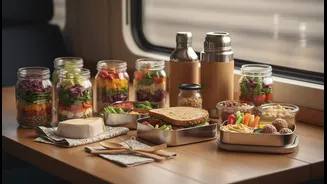
were common complaints. Reports from auditors and passenger feedback often highlighted issues ranging from poor sanitation to the use of low-quality ingredients. Frequent changes in catering policies, which shifted responsibility between Indian Railways and the Indian Railway Catering and Tourism Corporation (IRCTC), sometimes added to the uncertainty. This legacy created a deep-seated distrust among passengers, many of whom resorted to carrying their own food for multi-day journeys, viewing onboard meals as a last resort rather than a reliable service.
The Dawn of a Tech-Driven Overhaul
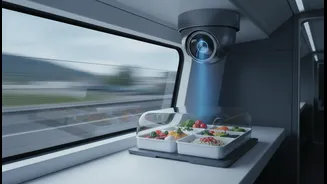
The turning point in this narrative has been the strategic adoption of technology. In a massive undertaking, IRCTC has installed thousands of AI-powered cameras across more than 800 of its base kitchens nationwide. These aren't just for passive surveillance; they are part of an active monitoring system managed from a central 'war room' in Delhi. The AI is programmed to detect a range of hygiene violations in real-time, from staff not wearing hairnets or gloves to the presence of pests like rodents and cockroaches. If an issue is detected, an automated alert is sent to the kitchen manager. If unresolved, the issue is escalated up the chain of command, ensuring that accountability is swift and direct. This shift from reactive complaint resolution to proactive, predictive intervention marks a fundamental change in philosophy.
Transparency in Every Packet
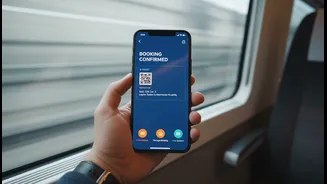
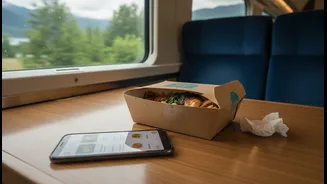
Another significant innovation is the introduction of QR codes on food packets. This simple addition provides a powerful tool for transparency. By scanning the code, a passenger can instantly see crucial details like which kitchen prepared the meal and the date of packaging. This system not only ensures that the food is fresh but also creates a clear trail of accountability. If there's a problem, authorities can trace the meal back to its source immediately. This digital tracking extends to the staff as well. All authorized catering personnel are now required to carry QR-enabled ID cards, which allow passengers and officials to verify their credentials, including health certificates and police verification, helping to curb the problem of unauthorized vendors.
Expanding Choices and Setting Standards
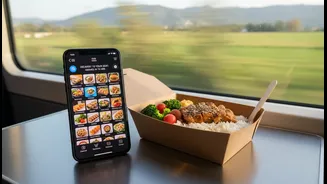
The transformation goes beyond just safety; it's also about choice and quality. The rise of IRCTC's e-catering service has been a game-changer, allowing passengers to order from a wide variety of approved restaurants and even popular food chains at designated stations along their route. This has broken the monopoly of the standard pantry car menu. In parallel, the Railways is collaborating with the Food Safety and Standards Authority of India (FSSAI) on the 'Eat Right Station' initiative. This program involves rigorous audits of all food vendors at a station, training for food handlers, and certification for stations that meet high standards of hygiene and food safety. So far, 150 stations across the country have earned this certification, signalling a broader commitment to creating a safe food environment across the entire railway network.
The Journey Ahead
Despite these significant strides, the system is still a work in progress. Passenger complaints regarding food quality, while a small fraction of the millions of meals served, have risen in recent years, prompting swift action like hefty fines and contract terminations for service providers. Challenges remain, especially on long-distance routes where delays can disrupt meal schedules. However, the direction of travel is clear. The 'bigger story' of railway food is its evolution from an unregulated risk to a systemically managed utility. By embedding technology, enforcing standards, and prioritizing transparency, Indian Railways is slowly but surely rebuilding passenger trust, one meal at a time.