

The Science of a Satisfying Crunch
Our love for crunchy food is deeply rooted in our psychology and biology. When you bite into something crunchy, the experience is multisensory. Your brain processes not just the taste and feel, but also the sound. Studies show this auditory feedback is strongly
linked to our perception of freshness. Think about it: a crisp apple or a snappy carrot stick signals freshness and quality, whereas a soft or mushy texture can suggest something is old or stale. This is why even a perfectly good chip that has gone soft is unappealing; it has all the flavour but lacks the essential crunch that tells our brain it's good to eat. Furthermore, the act of chewing something with a hard texture can be a form of stress relief, providing a satisfying physical release. This combination of sensory engagement—sound, touch, and taste—makes crunchy foods feel more indulgent and can even help you feel fuller and more satisfied with your meal.
The Culinary Art of Contrast
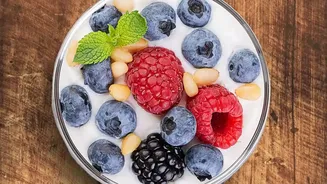
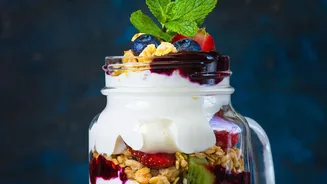
In cooking, texture is just as important as flavour. A dish with a single, monotonous texture can become boring after just a few bites, a phenomenon known as palate fatigue. A great parfait is a masterclass in textural contrast. You have the smooth, cool creaminess of the yoghurt, the soft, juicy burst from the berries, and then the delightful interruption of a crunchy topping. This interplay keeps your senses engaged and makes every spoonful interesting. Chefs intentionally use this principle, pairing creamy elements with crunchy ones to create a more dynamic and memorable eating experience. Without that textural counterpoint, even the most delicious combination of fruit and yoghurt can feel flat. The crunch acts as a structural element that elevates the entire dish, transforming it from a simple mixture into a well-composed creation.
Beyond Standard Store-Bought Granola
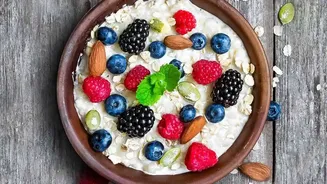
While granola is the go-to crunchy topping, many commercial brands are high in sugar and oils, making them more of a dessert than a healthy addition. Fortunately, there are many fantastic alternatives to explore. For a satisfying and nutritious crunch, consider toasting nuts like walnuts or pecans, which adds a deep, roasted flavour. Seeds are another excellent option; pumpkin seeds (pepitas), sunflower seeds, and hemp seeds all provide a great texture along with healthy fats and protein. For a hint of chocolatey bitterness without the sugar, try cacao nibs. One of the most underrated crunchy toppings is freeze-dried fruit. It offers an intense, crisp texture and concentrated fruit flavour without adding water to your yoghurt, which can happen with fresh fruit. Even simple cereals like toasted oats or puffed rice can provide the crunch you crave without the added sugars found in many granolas.
Building a Better, Healthier Parfait
Choosing the right crunchy topping does more than just improve the texture; it can significantly boost the nutritional value of your parfait. Instead of sugar-laden granola clusters, opting for a mix of nuts and seeds increases the protein and healthy fat content, which helps with satiety and keeps you feeling full longer. For instance, just a few tablespoons of hemp seeds can add a significant amount of protein and omega-3s. Cacao nibs are packed with antioxidants and minerals. By making your own simple granola at home with rolled oats, nuts, and a minimal amount of natural sweetener like maple syrup or honey, you control the ingredients and can create a topping that aligns with your health goals. This thoughtful approach to toppings ensures your quick and easy parfait is not only texturally satisfying but also genuinely nourishing, providing sustained energy to power you through your morning.