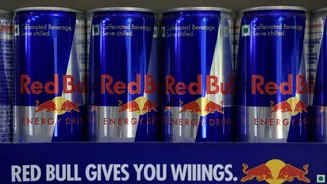








What is the New FSSAI Rule?
The Food Safety and Standards Authority of India (FSSAI) has issued a directive with a strict 90-day compliance window, compelling beverage companies to make significant changes to their product labels. The most prominent change is the removal of the term
“energy drink.” Instead, these products must now be labelled as “Caffeinated Beverage.” This is because FSSAI states there is no official standard or definition for an “energy drink” in Indian food law, and using the term could be misleading. Furthermore, the regulations mandate that any beverage containing more than 145 milligrams of caffeine per litre must display a “High Caffeine” warning and declare the total caffeine content per serving. The maximum permissible limit for caffeine has been set at 300-320 mg per litre. The rules also crack down on vague marketing claims like “vitalises body and mind” or “boosts energy levels,” which are no longer permissible.
Why the Change Was Necessary
This regulatory shift comes in response to the booming market for caffeinated beverages in India, which is growing at over 12% annually, and rising health concerns associated with their consumption, especially among young people. Health experts have frequently warned about the risks of high caffeine intake, which can include anxiety, rapid heart rate, high blood pressure, and disrupted sleep patterns. By forcing brands to stop using the alluring “energy drink” moniker, the regulator aims to curb marketing that might imply unscientific health or performance benefits. The FSSAI's move is part of a broader global trend of tightening regulations around these drinks to promote consumer safety. The core objective is transparency, ensuring that consumers are fully aware of what they are drinking and can make decisions based on clear facts rather than marketing hype.
How to Read the New Labels
For consumers, this change is all about empowerment. When you pick up a can, the new labels provide critical information at a glance. First, look for the term “Caffeinated Beverage.” This is your immediate signal that the drink is stimulant-based. Next, find the mandatory declaration of caffeine content, which will be listed in milligrams (mg) per serving. The label must also carry a clear warning: “Not recommended for children, pregnant or lactating women, and persons sensitive to caffeine.” Finally, FSSAI has mandated a maximum daily consumption advisory, often stating, “Do not consume more than 500 ml per day.” These elements combined give you a much clearer picture of the product’s nature, allowing you to assess it based on its stimulant content rather than just its flavour or brand.
The New Era of Drink Comparisons
The FSSAI's directive fundamentally changes how we can compare different beverages. Previously, a consumer might have compared drinks based on sugar content, calories, or flavour. Now, caffeine content becomes a primary, standardized metric for comparison. You can directly compare a can of Brand A with Brand B to see which has a higher stimulant level. This is crucial for managing your daily intake. For context, a standard 250ml can of a caffeinated beverage might contain around 80mg of caffeine, which is near the per-serving limit calculated from the FSSAI standard. Knowing this allows you to weigh its effects against, for instance, a cup of coffee or tea. This transparency demystifies the products, stripping away the marketing halo and boiling it down to a clear choice about how much caffeine you wish to consume.