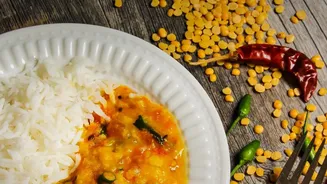







Why Soaking Is More Than a Tradition
Soaking dal before cooking is a practice passed down through generations, but it is rooted in practical science. The primary benefits are threefold: faster cooking, improved texture, and better digestion. Dried lentils and beans contain complex carbohydrates
and anti-nutrients like phytic acid and tannins. These compounds can interfere with the body's ability to absorb essential minerals like iron, zinc, and calcium. Soaking helps break down these compounds, making the dal not only easier to digest but also increasing its nutritional bioavailability. This process helps reduce the bloating and gas that some people experience after eating legumes. Furthermore, soaking hydrates and softens the grains, significantly cutting down on cooking time, which saves fuel and results in a more evenly cooked, creamy texture.
The Moong Dal Question: To Soak or Not?
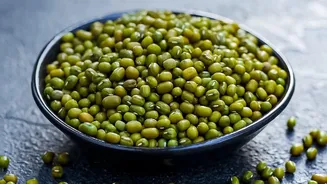
Moong dal is where the rules get specific, as its soaking time depends entirely on its form. Split yellow moong dal (dhuli moong) is one of the quickest-cooking and most easily digestible dals. Many cooks agree that it doesn't require a long soak; a quick 15-30 minute rest in water while you prepare other ingredients is often sufficient. Some even cook it without any soaking at all. On the other hand, whole green moong (sabut moong) has its skin intact, making it denser. To ensure it cooks evenly and becomes soft, a longer soak of 4 to 6 hours is recommended. If you are short on time, even a 30 to 60-minute soak in warm water can help.
A General Guide to Soaking Other Dals
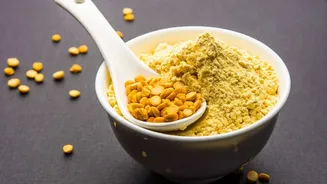
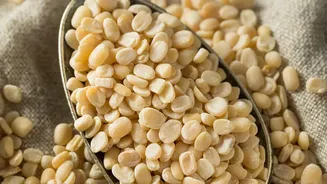
Not all dals are created equal, and their soaking times vary based on their size and toughness. Larger, whole pulses require more time for water to penetrate their dense structure. For hearty legumes like Rajma (kidney beans) and Chhole (chickpeas), a long soak of 8 to 12 hours, or overnight, is non-negotiable for proper digestion and cooking. Chana dal, which is dense and firm, benefits greatly from a 4 to 6-hour soak to ensure it becomes creamy and cooks through without any hard bites. Toor (arhar) dal, a daily staple, softens well with a 30-minute to an hour-long soak. Split urad dal (white) needs about 1-2 hours, while whole urad dal (black), used in dishes like Dal Makhani, requires a 6 to 8-hour soak to achieve its characteristic creamy texture.
The Perils of Getting It Wrong
While forgetting to soak might lead to longer cooking times and a firmer texture, over-soaking also has its downsides. Leaving dal in water for too long, especially in a warm climate, can cause it to ferment. You might notice a sour smell or bubbles forming in the water, which can impart an off-taste to your final dish. If you need to soak pulses for an extended period, it's best to place the bowl in the refrigerator to prevent fermentation. Over-soaking can also cause some dals, particularly the softer split varieties, to lose their structure and turn mushy too quickly during cooking. As a rule of thumb, always discard the soaking water and rinse the dal again before cooking. This ensures you are washing away the leached-out starches and anti-nutrients.