

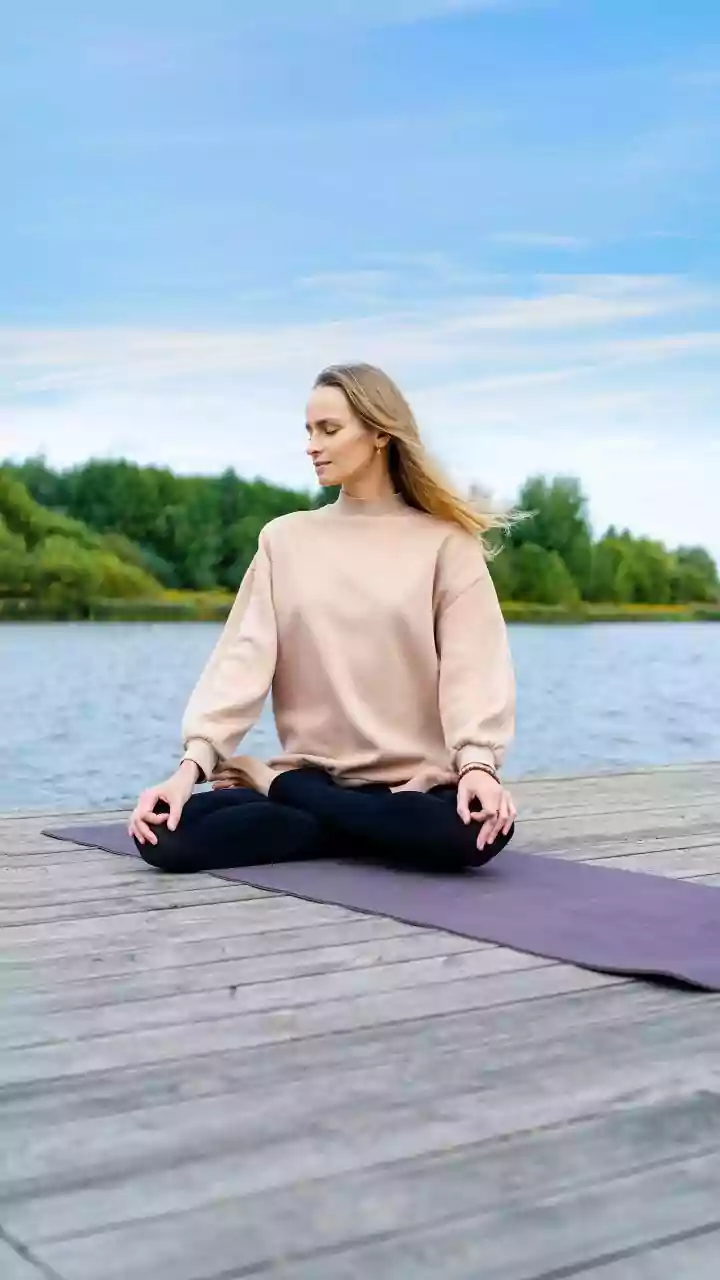


What is Floating Yoga?
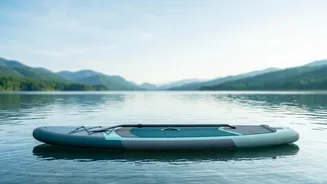
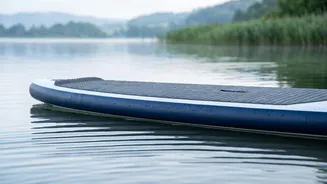
Commonly known as Stand-Up Paddleboard (SUP) Yoga, this practice involves performing yoga sequences on a paddleboard in a calm body of water like a lake, bay, or even a swimming pool. Instead of a solid floor, your 'mat' is a board that responds to every
subtle shift in your weight. This simple change introduces a dynamic challenge, forcing a deeper level of engagement than land-based yoga. While it might seem intimidating, the practice is adaptable for various skill levels, from curious beginners to seasoned yogis looking for a new challenge. The goal isn't perfection; it's about finding stability amidst constant motion.
A New Level of Core Engagement
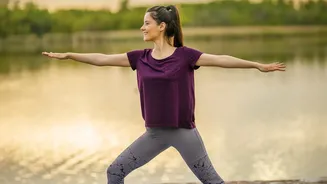
The core promise of floating yoga lies in its name: balance. On a stable studio floor, you can often find a pose and settle in. On water, the board is in perpetual, minute motion, meaning your body must constantly make micro-adjustments to stay upright. This process fires up your core muscles—the deep stabilizing muscles in your abdomen and back—in a way that traditional yoga doesn't. Every pose, from a simple seated twist to a more ambitious Warrior II, becomes an intense core workout. This continuous engagement also builds enhanced proprioception, which is your body's awareness of its position in space, improving your overall balance and coordination both on and off the board.
More Than Just a Physical Challenge
While the physical benefits are significant, many practitioners are drawn to floating yoga for its profound mental effects. The unstable surface demands absolute presence. Your mind doesn't have the luxury of wandering to your to-do list; any lapse in focus could lead to an unplanned dip in the water. This forced mindfulness can be incredibly meditative, creating a deep connection between mind and body. Being surrounded by nature—the open sky above and the gentle rhythm of the water below—also has a powerful calming effect, helping to melt away stress and promote a sense of inner peace. It transforms a workout into a restorative, almost spiritual experience.
Embracing the Wobble (And the Splash)
The most common question from newcomers is: 'Is it hard, and will I fall in?' The answer is that it's challenging, but that's the point. And yes, falling is a distinct possibility, but it's often viewed as part of the fun rather than a failure. Instructors typically start classes with simple, low-to-the-board poses like Cat-Cow or Child's Pose to help you get a feel for the board's movement. You quickly learn to slow down, move with intention, and accept the wobble. The experience is humbling for even advanced yogis, as familiar poses take on a new dimension of difficulty. The key is to let go of expectations and embrace the playful, unpredictable nature of the practice.
Tips for Your First Floating Session
If you're ready to give it a try, a few tips can help make your first experience a success. Look for a class specifically designed for beginners, as they will use wider, more stable boards. Choose a location with calm, sheltered water to minimize distractions from wind or boat wakes. Wear comfortable clothing you don't mind getting wet—think swimwear or quick-drying athletic gear. Forget about complex poses you see on social media; start with maintaining at least two or three points of contact with the board. Most importantly, approach it with a sense of humour. The journey of finding your balance on the water is just as rewarding as holding the perfect pose.