

The Timeless Appeal of Vintage Florals
Floral patterns have been a staple in interior design for centuries, connecting us to nature and evoking a sense of warmth and tradition. While trends come and go, the appeal of a flower-adorned wall remains constant. Retro florals, in particular, pack
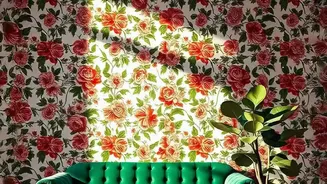
a powerful punch of personality. Whether you’re drawn to the psychedelic blooms of the '60s, the earthy tones of the '70s, or the romantic pastels of a country cottage, these patterns do more than just decorate—they tell a story. Using them on a single accent wall is a smart way to make a bold statement without overwhelming your space. It creates an instant focal point that is both dramatic and stylish, giving any room an inexpensive but high-impact upgrade.
How to Choose Your Perfect Pattern
The key to a successful retro accent wall is choosing the right pattern for your space and style. Consider the scale first. Large-scale florals create a dramatic, bold effect and work well in living rooms or dining rooms where you want to make a statement. Smaller, more delicate prints are ideal for cozier spaces like bedrooms or hallways, adding texture and charm without dominating the room. The color palette is just as important. Muted tones like sage green, dusty rose, or taupe create a calming, refined atmosphere. High-contrast florals, such as vibrant blooms on a dark background, deliver dramatic energy but require balance with neutral furniture and decor. Think about the era you want to evoke—from the soft, hand-painted look of classic vintage designs to the bold, abstract florals of mid-century modernism.
Picking the Right Wall
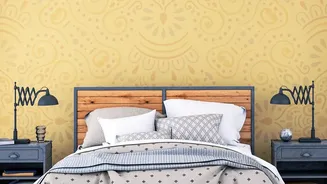
Where you place your wallpaper is as crucial as the pattern itself. The best choice for an accent wall is typically the one your eyes naturally land on when you first enter a room. This is often the wall behind a key piece of furniture, which serves as a natural anchor. In a bedroom, the wall behind the headboard is a classic choice, creating a romantic and sophisticated backdrop. In a living room, the wall behind the sofa makes for a strong focal point. An accent wall can also bring life to an otherwise plain area, such as a long hallway or a dining nook. By confining the pattern to one surface, you allow the design to shine while maintaining a sense of openness in the rest of the room.
Preparation and Application
A professional-looking finish starts with a well-prepped surface. Before you begin, ensure your chosen wall is clean, dry, and smooth. Fill any cracks or holes with filler and allow it to dry completely. Applying a wallpaper primer with sizing is a crucial step; it makes installation easier and, more importantly, makes removal much simpler if you decide to change things up later. When it's time to hang the paper, start from the middle of the wall, not the corner. This helps ensure the pattern is centered and straight. Use a level to draw a vertical guide line for your first strip. Smooth the paper from the center outwards to remove any air bubbles, and carefully trim any excess at the top and bottom with a precision knife for a clean finish.
Styling Your Retro Room
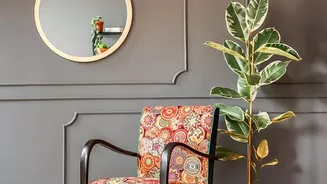
Once your accent wall is up, the final step is to style the rest of the room to create a cohesive look. The key is balance. To avoid a visually cluttered space, pair your patterned wall with simpler furnishings. Pull one or two of the less dominant colors from the wallpaper pattern and use them for textiles like throw pillows, curtains, or a rug. This technique ties the room together harmoniously. If your wallpaper is bold, opt for furniture with clean lines and neutral tones like cream, wood, or linen. If you've chosen a softer, more delicate floral, you can pair it with natural materials like rattan or light wood for an earthy, bohemian feel. The goal is to let your retro accent wall be the star of the show.