







The Journey as it Stands
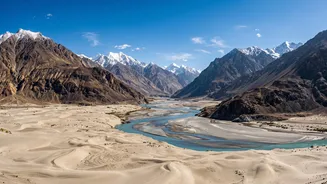
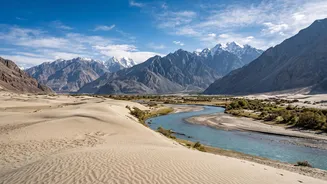
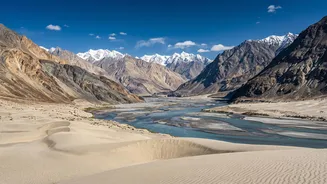
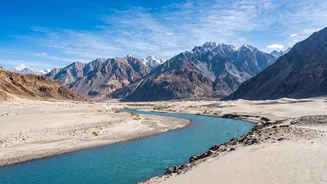
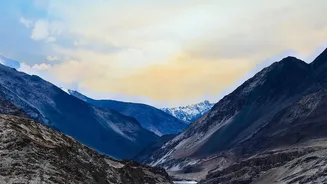
Currently, the only way for tourists to reach the stunning high-altitude desert of Nubra Valley is by road from Leh. This journey involves a gruelling drive over the Khardung La, one of the world's highest motorable passes, sitting at over 17,500 feet.
The trip takes several hours and is fraught with challenges, including unpredictable weather, frequent road closures due to snow, and the risk of Acute Mountain Sickness (AMS). This demanding journey, while scenic, limits access, particularly during the harsh winter months when the pass can be blocked for extended periods. Travellers must acclimatise in Leh for at least two days before attempting the high-altitude crossing, making it a time-consuming part of any Ladakh itinerary.
A Game-Changer on the Horizon
Authorities are now targeting December 2026 to begin civilian flight operations from Thoise, an Indian Air Force base located within Nubra Valley itself. This air base, which has long been crucial for military and strategic purposes, is being prepared for commercial flights, potentially under the UDAN (Ude Desh ka Aam Nagrik) scheme aimed at enhancing regional connectivity. The plan involves refurbishing an existing terminal for initial operations while a new civil terminal is constructed on five acres of land approved by the IAF. Runway recarpeting is already underway and expected to be completed by November 2026, paving the way for the targeted December launch.
The Promise of Unprecedented Access
The opening of Thoise to commercial flights would be revolutionary for tourism in the region. It would provide direct, year-round access to Nubra, bypassing the formidable Khardung La pass entirely. This would slash travel time and make the valley accessible to a wider range of tourists, including those on shorter trips, families with children, and older travellers who might be deterred by the arduous road journey. Local leaders and businesses anticipate a major economic boost, as improved connectivity is expected to significantly increase tourist footfall, benefiting hotels, homestays, and tour operators in Diskit, Hunder, and even remote villages like Turtuk.
A Paradise Under Pressure
While the economic prospects are bright, the planned air link raises serious environmental and cultural concerns. Ladakh's ecosystem is incredibly fragile, and areas like Nubra Valley are already showing signs of strain from the existing levels of tourism. A sudden surge in visitor numbers could overwhelm the region's limited resources, particularly water, which is already scarce. Waste management is another critical challenge; with inadequate infrastructure, an influx of tourists could lead to mounting problems with plastic and other waste, degrading the pristine landscape. There is a significant risk that mass tourism could erode the unique cultural fabric of the valley, which has been preserved for centuries in relative isolation.
The Double-Edged Sword of Development
The economic impact is also complex. While many local businesses stand to gain, the very nature of tourism in Nubra could shift. The long road journey from Leh currently supports a whole ecosystem of taxi drivers, guesthouses, and small eateries along the route. Direct flights could disrupt these livelihoods. Furthermore, the increased accessibility might attract large, corporate hotel chains, potentially sidelining the small, locally-run homestays that currently define the region's hospitality. For the residents of Nubra, the air link is a lifeline, promising better access to healthcare and supplies, especially in winter. The challenge lies in balancing these essential development needs with the preservation of the environment and local culture that make Nubra Valley so special.