






The New Global Stance
The World Health Organization (WHO) has issued clear advice for managing the escalating crisis of childhood obesity: for children under the age of 10, pharmacological treatments, such as weight-loss drugs, should not be used. This recommendation is part
of the first comprehensive global guidelines on the issue, released in early October 2026. The guidance also advises against bariatric surgery and other weight-loss devices for this young age group. The announcement addresses a sharp global increase in childhood obesity, which has quadrupled since 1990. As of 2024, an estimated 170 million children and adolescents were living with obesity, including 70 million kids aged five to nine.
Prioritising Lifestyle Over Medication
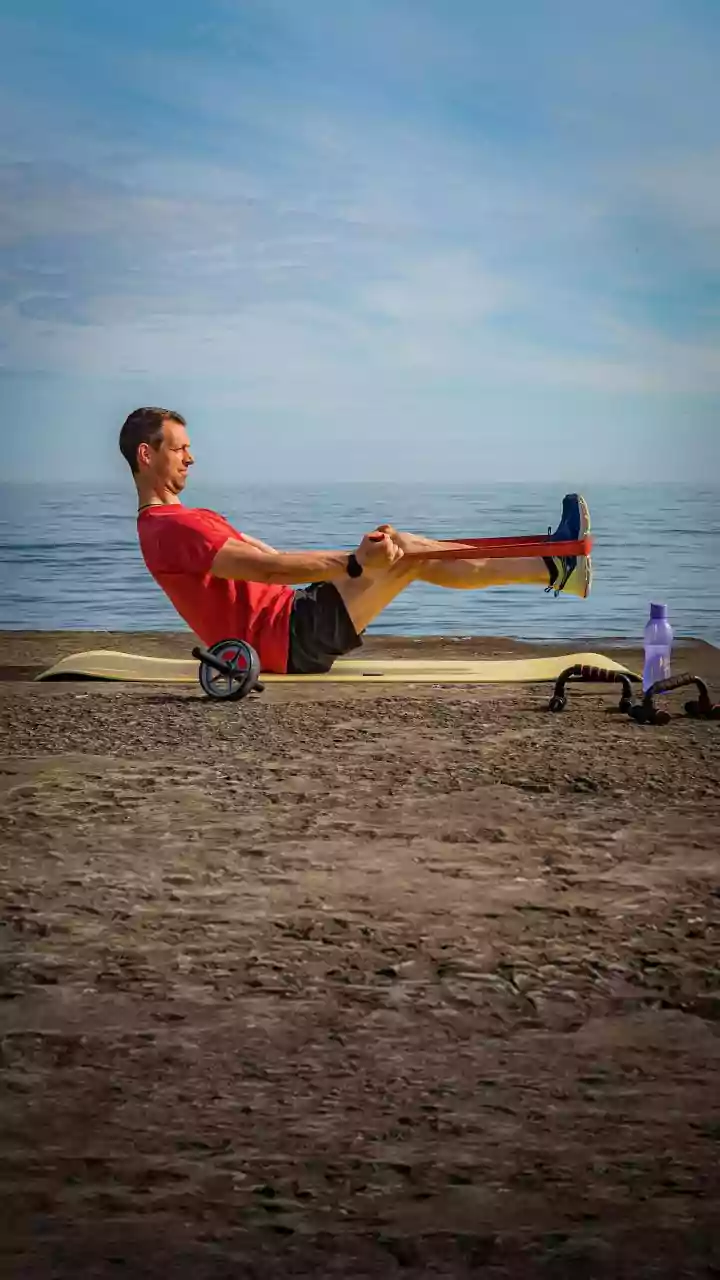
Instead of medication, the WHO strongly recommends a 'person-centered' approach focused on multimodal lifestyle programs. The foundation of care, according to Dr. Luz María De Regil, Director of the WHO's Department of Nutrition and Food Safety, is not medicine or surgery, but comprehensive support that enables healthy eating, physical activity, and sustainable behaviour change. This involves structured interventions tailored to the individual child and family, which can include dietary changes and promoting physical activity. The goal is to improve overall health and well-being, not just to focus on weight loss.
Why The Caution For Young Children?
The WHO's cautious stance stems from a lack of evidence regarding the long-term safety and efficacy of weight-loss drugs, such as GLP-1 agonists like Ozempic and Wegovy, in children under 10. There are significant concerns about how these powerful medications, which work by suppressing appetite, could affect a young child's growth and development. Researchers worry about potential side effects, including malnutrition if calorie intake becomes too low, as well as gastrointestinal issues, and unknown long-term impacts on mental health and puberty. While clinical trials are underway for children as young as six, the WHO determined there is currently insufficient data to recommend their widespread use in this vulnerable age group.
The Indian Context
This global guidance is particularly resonant in India, which is facing a significant public health challenge with childhood obesity. According to the World Obesity Atlas 2026, India ranks second globally for the number of children with a high BMI, affecting over 41 million school-aged children. Of these, nearly 15 million are between the ages of five and nine. Studies show that a large percentage of Indian adolescents—around 74%—do not meet recommended physical activity levels, a major contributing factor. The rise in obesity is linked to an increase in early-onset chronic conditions like type 2 diabetes and hypertension, placing a heavy burden on the nation's healthcare system.
What The Guidance Means For Parents
For parents of young children struggling with weight, the WHO's message is to focus on building a supportive and healthy environment. The recommendation is to work with healthcare providers to develop a comprehensive plan based on lifestyle changes. This includes encouraging a balanced diet, ensuring regular physical activity, and making healthy habits a family affair. For adolescents aged 10 to 19, the guidance is more nuanced. Pharmacological treatment may be considered as a secondary option, but only after a supervised lifestyle modification program has failed to yield results and the adolescent is physically and mentally prepared. The ultimate priority remains long-term health and well-being, supported by sustainable habits.