





The Daily Cost of Democracy
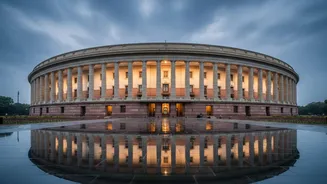
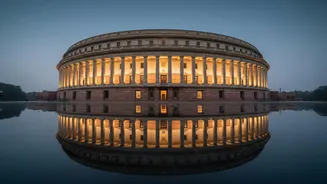
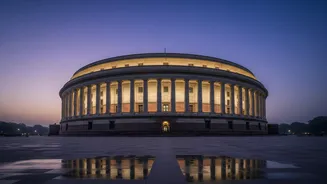
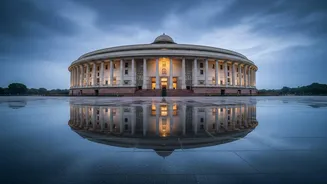
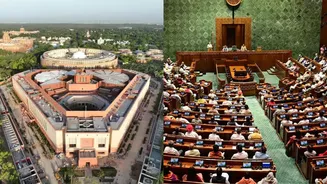
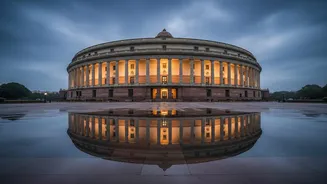
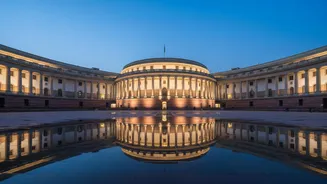
Running the Parliament of India is an expensive affair, and the meter is always running. According to widely cited estimates, which originated from parliamentary data over a decade ago, it costs approximately ₹2.5 lakh every single minute to conduct proceedings.
This figure translates to about ₹1.5 crore per hour and a staggering ₹9 crore for a typical six-hour working day when both the Lok Sabha and Rajya Sabha are in session. These costs are not just for the salaries and allowances of the Members of Parliament. They encompass a vast operational infrastructure, including the salaries of a large contingent of staff, robust security details, building maintenance, electricity, and other logistical expenses. So, when the houses are functioning as intended, this cost is an investment in democracy.
The Price of Paralysis
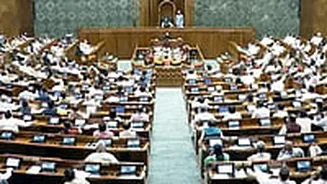
When disruptions occur, the costs do not stop. Whether a bill is being debated or members are protesting in the well of the house, the operational expenses remain largely the same. An adjournment doesn't turn off the lights or send the support staff home without pay. Therefore, every minute lost to chaos is a minute for which taxpayers pay without any legislative work being done. During recent sessions, productivity has plummeted. In the first week of the ongoing Monsoon Session, for instance, the Lok Sabha and Rajya Sabha reportedly functioned for only about 5-6% of their scheduled time. When hours of scheduled time are lost, the notional loss can run into tens or even hundreds of crores in a single session. One analysis even estimated that between 2014 and 2024, the cost of disruptions amounted to over ₹3,300 crore.
The Legislative Logjam
The most significant burden of disruptions is not just financial but also legislative. Parliament's primary role is to legislate, scrutinise the government, and debate matters of national importance. When disruptions become the norm, these core functions are severely compromised. Important mechanisms for accountability like the Question Hour and Zero Hour are often the first casualties, preventing MPs from questioning the government on pressing issues. Bills are either stalled for long periods or, in some cases, passed without any meaningful debate or scrutiny. This can lead to poorly drafted laws with unforeseen consequences. For example, during recent sessions, key bills have been passed by voice vote amidst protests, bypassing the detailed discussion that is crucial for robust legislation.
The Decline in Deliberation
Beyond the immediate costs, frequent disruptions contribute to a long-term decline in parliamentary effectiveness. The number of sitting days for Parliament has been steadily decreasing over the decades. In the 1950s, Parliament met for over 120 days a year, whereas the 17th Lok Sabha (2019-2024) averaged only about 55 days annually. This reduction in available time, compounded by the loss of hours to disruptions, means there is less and less space for substantive deliberation. Experts point to a growing political polarisation where confrontation has replaced consensus-building. This erosion of parliamentary conventions weakens the institution's ability to hold the executive accountable and represent the will of the people, a cost that is impossible to quantify in rupees.