

The Unstable Giants Above
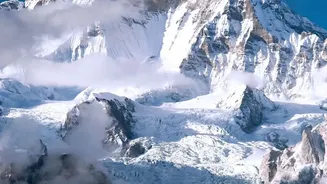
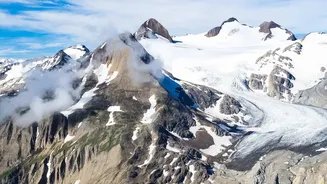
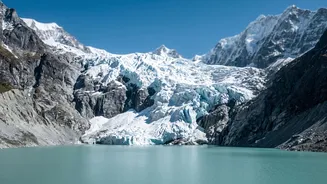
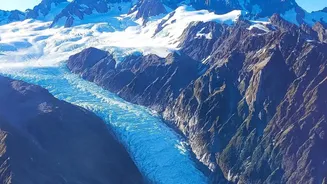
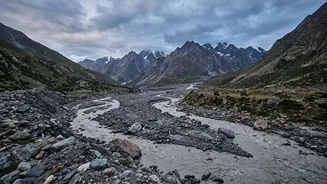
Himalayan glaciers are vast rivers of ice, but they are not static. Climate change is causing them to melt at an alarming rate, a process that is destabilising the entire mountain environment. As temperatures rise, the ice that acts like a glue, holding
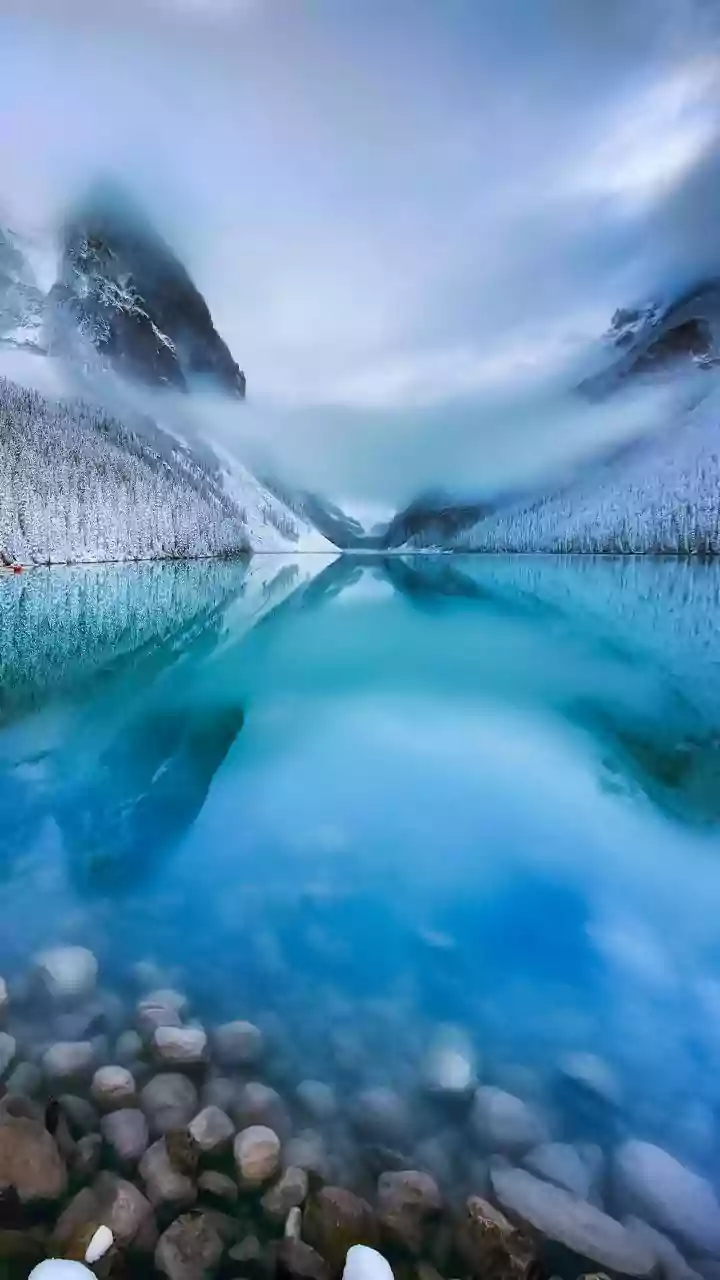
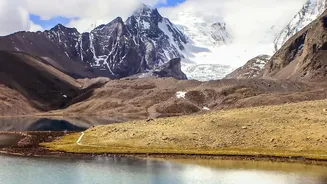
steep rock walls together, begins to thaw and weaken. This makes the slopes around and underneath glaciers more prone to failure. Simultaneously, rapid melting feeds the growth of glacial lakes, which are often dammed by nothing more than unstable piles of rock and debris known as moraines. The number and size of these potentially dangerous lakes have increased dramatically, setting the stage for disaster.
The First Domino: A Sudden Collapse
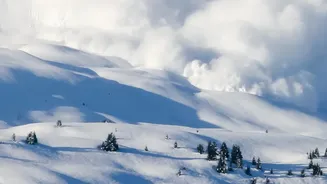
The trigger for a flash flood is often a catastrophic collapse high in the mountains. This can happen in several ways. A massive chunk of a hanging glacier, its base weakened by melt, can break off and fall. Alternatively, an entire mountainside, destabilised by thawing permafrost, can give way, taking tons of rock and any attached glacier ice with it. This was the cause of the February 2021 Chamoli disaster in Uttarakhand, where an avalanche of approximately 27 million cubic metres of rock and ice plunged from Ronti Peak. The force of such a fall is immense, generating enough heat and energy to instantly melt much of the ice involved.
Two Paths to a Deluge
Once the avalanche of rock and ice is in motion, it can create a flood through two primary mechanisms. The first, seen in the Chamoli event, is when the avalanche itself transforms into a debris flow. The heat from the fall melts the ice, creating a slurry of water, mud, and boulders that moves at incredible speed, scouring valley walls and destroying everything in its path without warning. The second mechanism is a Glacial Lake Outburst Flood (GLOF). This occurs when the avalanche crashes into a pre-existing glacial lake. The impact creates a massive displacement wave, like a tsunami, that can overtop and breach the fragile moraine dam holding the lake. This is what happened at Sikkim’s South Lhonak Lake in October 2023, releasing a torrent of water downstream.
A Wall of Water and Debris
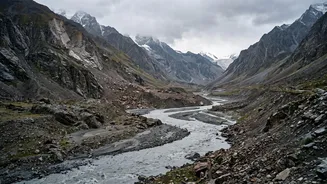
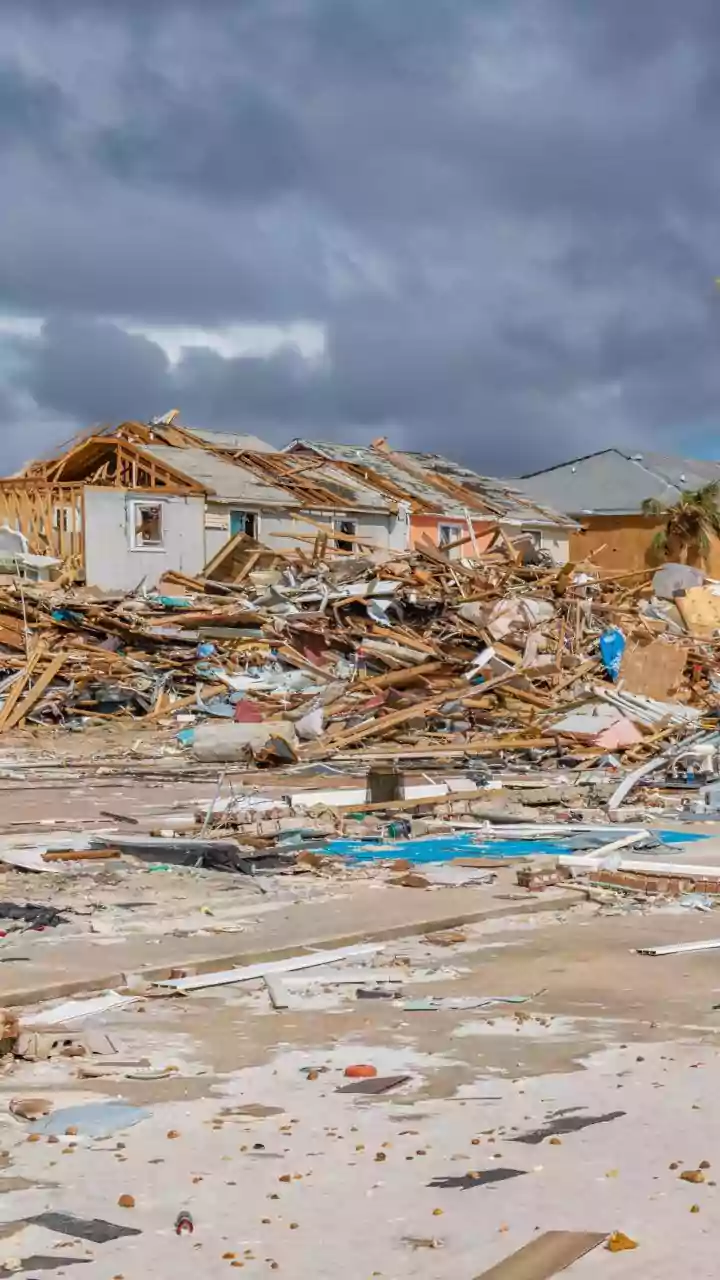
Whether it begins as a debris flow or a GLOF, the result is a flash flood of unimaginable power. These are not simple water floods; they are thick, churning mixtures of water, sediment, ice, and boulders the size of cars. They can travel over 100 kilometres from their source, gaining volume and destructive power as they erode the riverbed and banks. In the recent August 2026 disaster in Nepal, water levels in the Trishuli River reportedly rose by nine metres in just 30 minutes, giving downstream communities almost no time to react. The force can obliterate bridges, roads, and entire hydropower projects, as seen in both the Chamoli and Sikkim disasters.
A Growing Threat for the Himalayas
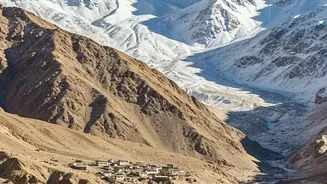
The Himalayas are warming significantly faster than the global average, accelerating the processes that lead to these disasters. The risk is not abstract; it is a clear and present danger to the millions of people living in the mountain valleys. Past events have repeatedly demonstrated the region’s vulnerability. Scientists have identified thousands of glacial lakes across the Himalayas, with dozens deemed potentially dangerous. As glaciers continue to retreat and the mountains become more unstable, experts warn that these devastating floods may become more frequent. The incidents in Uttarakhand, Sikkim, and Nepal are stark reminders of the powerful and unpredictable forces being unleashed in our warming world.