






A Coordinated and Sustained Offensive
Over the course of a week, Ukrainian forces have launched multiple, coordinated attacks on the 19-kilometer bridge. The operation, which Ukrainian President Volodymyr Zelenskyy hailed as 'unprecedented', involved a mix of domestically produced weapons,
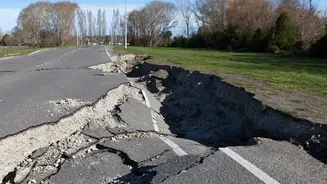
including Neptune cruise missiles and various drones. The strikes began around November 16, initially causing traffic restrictions. A subsequent, more damaging attack overnight on November 17 caused a section of the road bridge and one of its arches to collapse into the Kerch Strait. This was followed by another strike on the night of November 18-19 that targeted and damaged the parallel railway section, temporarily halting all train traffic. Satellite imagery from November 19 confirmed significant damage to both the road and rail spans, with one report noting a 225-meter section of the road bridge had fallen.
More Than Just a Bridge
Opened by Vladimir Putin in 2018, four years after the illegal annexation of Crimea, the Kerch Bridge is more than infrastructure; it is a potent symbol of Moscow's control over the peninsula. For Russia, it represents a physical and political connection, an assertion of its claim over the territory. For Ukraine, it is a hated symbol of occupation. Strategically, the bridge is a critical logistics artery, facilitating the movement of military equipment, ammunition, fuel, and personnel from mainland Russia to its forces in southern Ukraine. Its disruption forces Russia to rely on longer, more vulnerable overland routes through occupied Ukrainian territory, which are already under pressure from Ukrainian forces.
Counting the Cost
The full extent of the damage is still being assessed, but the impact is significant. The collapse of the road span has completely severed vehicle traffic. The subsequent damage to the railway track forced a suspension of train services, a critical conduit for heavy military supplies. While Russian-installed officials in Crimea announced that train traffic had resumed by the afternoon of November 19, the logistical strain is undeniable. The shutdown forces military cargo onto the overland R-280 highway, where Russian convoys are more exposed to Ukrainian attacks, leading to reported increases in vehicle losses and delays in delivering essential supplies. Satellite photos showed no repair efforts underway immediately following the strikes, suggesting restoration will be a complex undertaking.
The View From Moscow and Kyiv
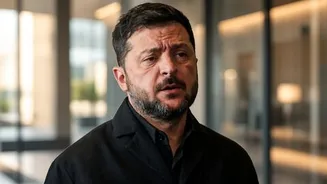
The reactions from the two capitals have been predictably divergent. Ukraine has celebrated the strikes as a major success. Zelenskyy framed the attack as a response to Russian strikes on Ukrainian infrastructure and a reminder that the 'war will always return to where it began'. Ukrainian military officials highlighted the disruption to Russia's military machine, stating that every hour the bridge is down means occupying forces receive fewer supplies. Conversely, Russia has downplayed the long-term impact while vowing retribution. Speaking from a summit in China, Vladimir Putin acknowledged the 'serious damage' to the road section but insisted the bridge is a 'civilian asset' and that military transport had long been halted. He promised to rebuild the bridge and warned that Russia's response would be 'painful'.
What Happens Next?
The successful attacks on such a heavily defended and symbolic target represent a significant military and psychological victory for Ukraine. They demonstrate a growing capability to execute complex, long-range strikes and directly challenge Russia's hold on Crimea. The immediate strategic effect is the increased pressure on Russian logistics in the south. By forcing reliance on less secure land corridors, Ukraine can further degrade Russia's ability to sustain its forces. For Moscow, the strikes are an embarrassing blow on the world stage, undermining its narrative of strength and inevitable victory. Putin has already used the attack as a pretext to rule out negotiations on a potential ceasefire. As both sides assess the fallout, the battle for Crimea enters a new, more volatile phase, with the crippled bridge standing as a testament to Ukraine's enduring resistance.