






A Sobering New Milestone
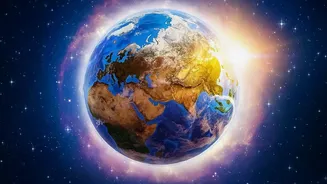
For years, 2 degrees Celsius has been the critical line in the sand for climate change. The 2015 Paris Agreement committed nations to keeping the rise in global average temperature to "well below 2°C" above pre-industrial levels, while pursuing efforts
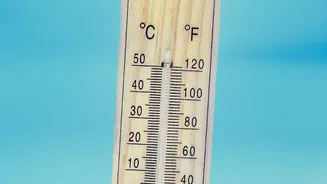
to limit it to 1.5°C. This target, however, refers to a long-term average, typically measured over 20 years, to distinguish a permanent climate shift from natural yearly variations. Now, scientists are warning that the world is on the cusp of crossing that 2°C threshold for a single month. While we have seen individual days briefly pass this mark, a full month at such a temperature would be unprecedented. Recent data from services like Europe's Copernicus Climate Change Service show that records are continuously being broken. June 2026 was the second-warmest June globally, coming in at 1.39°C above the pre-industrial average.
Fever Spike vs. Chronic Illness
So, what is the difference between a 2°C month and a permanent 2°C breach? Think of it like the difference between a temporary fever and a chronic illness. A fever is your body's short-term, acute reaction to a stressor, like an infection. A single month above the 2°C mark is like a planetary fever spike—an alarming signal that the system is under extreme stress. It's a short-term anomaly. A long-term breach, on the other hand, is like a chronic illness, where the body's baseline state has fundamentally changed. In climate terms, it means the 20-year average temperature is consistently above 2°C, signifying a permanent and more dangerous state of global warming. Climate scientists use temperature anomalies—the difference from a long-term average—to track these changes because it provides a clearer signal of warming trends than absolute temperatures. A monthly record is a weather event, whereas a multi-decade trend is climate.
What's Driving the Heat?
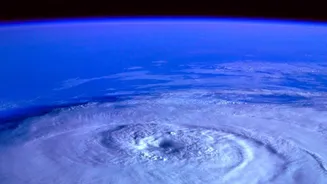
This potential monthly record isn't happening in a vacuum. The primary driver is the steady accumulation of greenhouse gases in the atmosphere from human activities. But this long-term warming trend is being amplified by a powerful, naturally occurring climate pattern: El Niño. The World Meteorological Organization announced the onset of El Niño conditions in June 2026, which involves the release of a huge amount of heat from the Pacific Ocean into the atmosphere. This combination of background warming and a strong El Niño is pushing global temperatures into uncharted territory. Scientists at the Copernicus Climate Change Service noted that the strength of the current El Niño is likely to reach levels not seen in decades, making more temperature records in the coming months highly probable.
What This Means for India
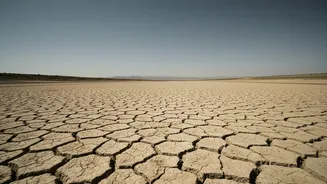
A global temperature spike has very local consequences. For India, the implications are significant. Higher global temperatures can disrupt traditional weather patterns, like the monsoon, which is vital for the country's agriculture and water supply. Forecasts already suggest a likelihood of below-average precipitation in southern Asia for the coming months due to El Niño. An increase in global temperature fuels more extreme weather events. This means India could face more frequent and intense heatwaves, putting public health at risk, especially in densely populated urban areas. It also increases the risk of droughts and places immense strain on water resources and the energy grid, which must cope with higher demand for cooling. These are not distant threats; they are direct consequences of a warming planet knocking on our door.
A Critical Warning, Not a Final Verdict
Crossing the 2°C mark for a month does not mean the Paris Agreement has failed or that all is lost. The long-term goal is based on multi-year averages, so there is still time to act to prevent a permanent breach. However, it should be seen as the loudest possible alarm bell. It demonstrates the tangible effects of our current emissions trajectory and the increasing volatility of our climate system. Projections from research centers suggest there is a 35 to 40 percent probability of a single month passing the 2°C threshold in early 2027. This event underscores the urgency of accelerating the transition away from fossil fuels and strengthening efforts to reduce emissions, as called for by the UN and other international bodies. It proves that the 2°C threshold is not a distant, abstract concept but a fast-approaching reality.