






Understanding the Peppery Bite
Before you can tame the radish, it helps to know where its signature spice comes from. That pungent kick is caused by sulfur compounds called glucosinolates. When you slice or bite into a radish, you trigger an enzymatic reaction that creates isothiocyanates,
the same volatile molecules responsible for the sharp heat in mustard and horseradish. This isn't like the slow burn of a chilli pepper; it's a quick, nasal heat. The intensity can vary based on the radish variety and its growing conditions. Older radishes or those grown in stressful, hot weather tend to have a more aggressive bite, while young, quickly grown radishes are often milder.
Simple Ways to Tame the Heat
If you find radishes too spicy, a few simple preparation tricks can mellow their flavour significantly. Cooking is one of the most effective methods. Roasting radishes at around 190°C (375°F) transforms them, making them tender, buttery, and surprisingly sweet. Sautéing or stir-frying also mellows their bite while retaining some crunch. If you prefer them raw, the key is to work with the compounds that cause the spice. Since much of the peppery flavour is concentrated in the skin, peeling the radishes can make a noticeable difference. Another classic technique is to slice them thinly and soak them in ice water for about 20 minutes before serving. This not only makes them extra crisp but also leaches out some of the spicy compounds.
The Power of Pairing: Fats and Dairy
One of the most delicious ways to balance the sharpness of a raw radish is by pairing it with fat. Creamy, rich ingredients coat the palate and soften the peppery blow, creating a harmonious contrast. The classic French preparation is the perfect example: a simple plate of fresh radishes served with good butter and a sprinkle of flaky sea salt. This concept extends to many other ingredients. Try pairing thinly sliced radishes with: - Creamy cheeses like goat cheese, feta, or herbed cream cheese. - Rich, healthy fats like avocado. - Dairy products such as Greek yogurt or crème fraîche to make a creamy dip or slaw dressing.
Balancing with Sweet and Sour
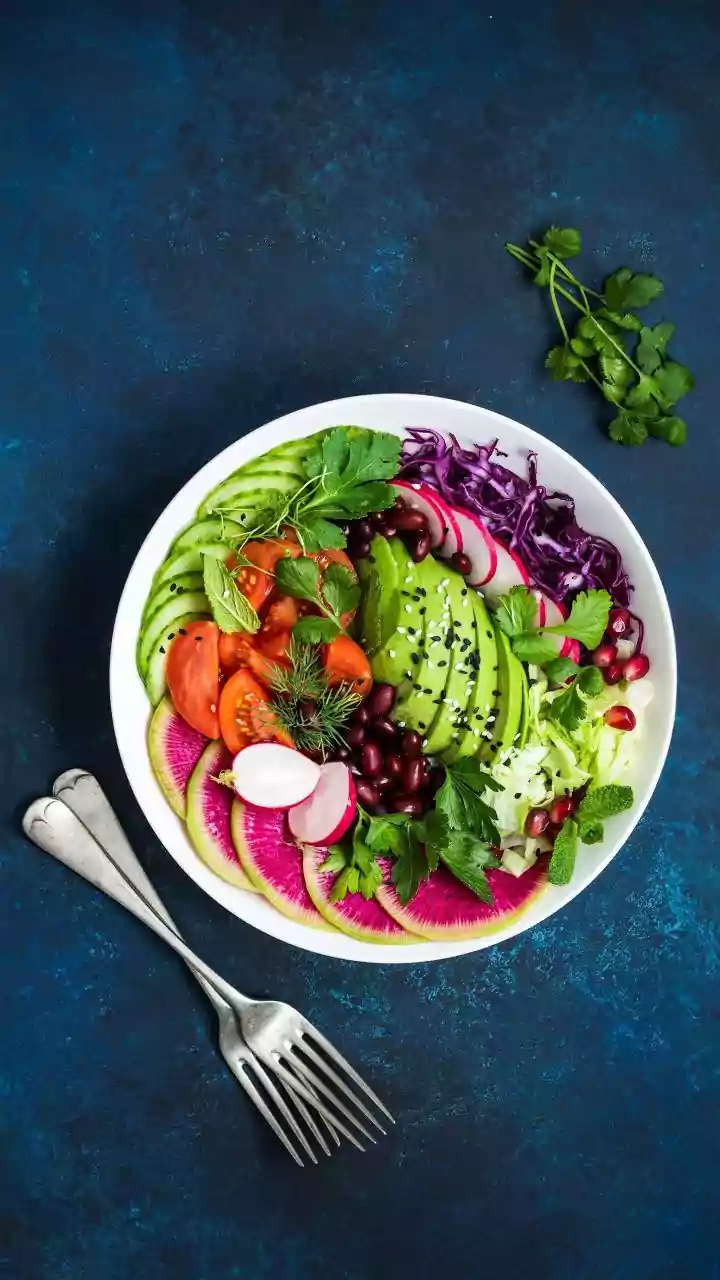
Acidity and sweetness are two other powerful tools for balancing the flavour of radishes. A sharp vinaigrette made with lemon juice or vinegar can cut through the pepperiness, while a touch of sweetness provides a pleasant counterpoint. Quick-pickling is a fantastic way to achieve this. Submerging sliced radishes in a brine of vinegar, water, a little salt, and a touch of sugar or honey transforms them into a tangy, crunchy condiment perfect for tacos, sandwiches, or grain bowls. You can also incorporate sweet elements directly into a salad. Fruits like apple, pear, or orange segments work beautifully alongside the peppery crunch of fresh radishes.
From Theory to the Table: Recipe Ideas
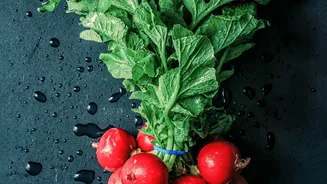
Ready to put these principles into practice? Start with something simple like 'Radish and Butter Toast', layering thin slices of radish over buttered, toasted sourdough for a classic French-inspired snack. For a versatile side dish, try roasting halved radishes with olive oil, salt, and herbs until they are tender and caramelized. You can also make a refreshing 'Creamy Radish and Cucumber Salad' by combining thinly sliced radishes and cucumbers with a dressing made from Greek yogurt, fresh dill, and a squeeze of lemon juice. And don't forget the greens; radish tops are edible and have a peppery flavour similar to arugula, making them a great addition to a pesto or sautéed with garlic.