






Understanding the Calorie Equation
At its core, weight gain or loss is governed by the principle of energy balance. Think of it as a simple bank account for energy, measured in calories. If you consume more calories than your body expends through daily activities and metabolic functions,
you create a calorie surplus. This excess energy doesn't just vanish; your body stores it, primarily as fat. This fundamental rule applies regardless of where the calories come from—be it protein, fat, or carbohydrates. Consistently eating in a surplus, even a small one, will lead to weight gain over time. Conversely, a consistent calorie deficit, where you burn more than you eat, results in weight loss.
Decoding the 'Double Carb' Fear
“Double carbing” refers to eating two significant sources of carbohydrates in the same meal, like having potatoes with a side of bread, or rice and noodles. This practice has been villainized in diet culture, often blamed for rapid weight gain. The fear isn't entirely baseless, but it's misdirected. The issue isn't the combination of carbs itself, but the fact that meals high in refined carbohydrates can be very calorie-dense and easy to overeat. A large portion of pasta paired with several slices of garlic bread can quickly add up to a high calorie count, pushing you into a surplus. The problem is the total energy consumed, not the fact that two different carbs were on the plate.
Why Your Body Needs Carbs
Despite their reputation, carbohydrates are not the enemy. They are the body's primary and preferred source of energy. When you eat carbs, your body breaks them down into glucose, which fuels your brain, muscles, and all cellular activities. In fact, health authorities often recommend that a significant portion of your daily energy intake comes from carbohydrates. There are different types of carbs: complex and simple. Complex carbohydrates, found in whole grains, vegetables, and legumes, provide sustained energy and are packed with fiber, vitamins, and minerals. These foods promote feelings of fullness and support overall health. Eliminating carbs can lead to low energy, cravings, and poor workout performance.
The Surplus is the Culprit
To put it simply, weight gain from food is not caused by carbs, but by the overconsumption of any food. Imagine your daily calorie need for maintaining your current weight is 2,000 calories. If you eat a 2,500-calorie meal of chicken and salad (high in protein and fat), you are in a 500-calorie surplus and will gain weight. If you eat a 1,800-calorie meal of rice and beans (a classic double carb), you are in a 200-calorie deficit and will not. The source of the calories is less important for weight gain than the total number. Gram for gram, carbohydrates contain less than half the calories of fat. It’s the consistent surplus that signals your body to store extra energy as fat, not the specific pairing of foods.
Building a Balanced Plate
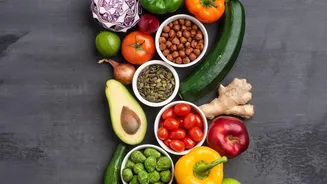
Instead of fearing carbohydrates, the focus should be on building balanced and portion-controlled meals. Rather than banning rice and potatoes from the same dish, think about the plate as a whole. A smart approach involves pairing a sensible portion of carbohydrates with lean protein and plenty of fibrous vegetables. Protein and fiber help increase satiety, keeping you feeling full and satisfied for longer, which can help prevent overeating. Choosing whole-grain and high-fiber carbohydrates like brown rice, quinoa, and sweet potatoes over refined options like white bread and sugary snacks will provide more nutrients and sustained energy. This balanced approach is more sustainable and healthier than simply eliminating food groups or specific combinations.