





The Multi-Billion-Dollar Proposal
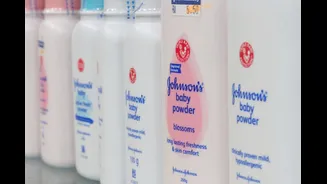
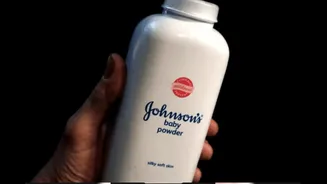
In late July 2026, Johnson & Johnson announced a proposal to pay approximately $5.5 billion to settle a vast majority of the lawsuits alleging its talc-based products caused ovarian cancer. This move aims to resolve nearly all of the 76,000 outstanding
claims that have dogged the company for over a decade. Unlike previous attempts that were tied up in complex bankruptcy filings, this settlement was negotiated directly with the plaintiffs' lawyers. The goal for J&J is clear: to finally put this chapter behind them and focus on its core business. However, the deal isn't final. It hinges on a crucial condition: at least 95% of the claimants must agree to the terms. If this high threshold isn't met, the entire agreement could collapse, sending everyone back to the courtroom.
A Complicated Legal History
This settlement offer didn't come out of nowhere. It follows years of contentious legal maneuvering. J&J has consistently maintained that its talc products are safe and do not cause cancer. Facing a deluge of lawsuits, the company employed a controversial legal strategy known as the "Texas two-step." This involved creating a new subsidiary, LTL Management, transferring all its talc-related liabilities to it, and then having that subsidiary declare bankruptcy. The goal was to ring-fence the liabilities and force a settlement through the bankruptcy courts. However, courts repeatedly rejected this strategy, ruling that J&J itself was not in the kind of financial distress that would justify such a move. After three failed bankruptcy attempts, the company shifted its strategy towards direct negotiation, leading to the current proposal.
The Unsettled Science
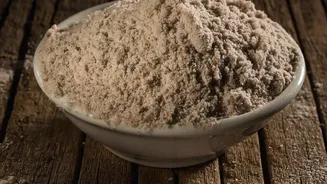
At the heart of the entire controversy is a scientific debate that remains unresolved. The core allegation is that J&J's talc, a mineral mined from the earth, was sometimes contaminated with asbestos, a known carcinogen. Talc and asbestos deposits are often found near each other geologically. While asbestos is accepted as a cause of cancers like mesothelioma, the link between asbestos-free talc and ovarian cancer is much murkier. Some studies suggest that long-term use of talcum powder in the genital area increases the risk of ovarian cancer by about 30%, while other large-scale studies have found no significant link. Health organizations remain divided, and the scientific community has not reached a firm consensus. J&J has always insisted its cosmetic talc is asbestos-free and safe, but plaintiffs' lawyers have presented internal company documents in court that they argue show the company knew about asbestos contamination for decades.
Why the Fight Continues
Even with a multi-billion-dollar offer on the table, the debate is far from over for several reasons. First, not all claimants may agree to the settlement. Some may feel the proposed payout is insufficient for the suffering and loss caused by cancer. Second, the settlement primarily addresses ovarian cancer claims in the U.S. Lawsuits related to mesothelioma, a different type of cancer strongly linked to asbestos, have largely been handled separately. Moreover, significant legal actions are proceeding in other countries, such as a major case in the United Kingdom involving thousands of claimants. Finally, the settlement does not resolve the underlying scientific question. While J&J stopped selling talc-based baby powder globally in 2023, replacing it with a cornstarch-based version, the company has not admitted wrongdoing. For many, the fight is not just about money, but also about accountability and a definitive answer on the safety of a product once trusted by millions.