




The Anatomy of a Himalayan Disaster
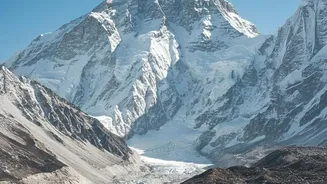
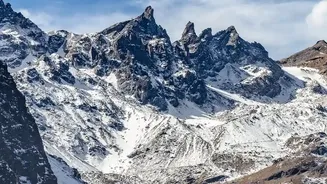
In the high Himalayas, danger moves at an incredible speed. The region is a hotbed for some of nature’s most sudden and violent events: landslides, flash floods, and Glacial Lake Outburst Floods (GLOFs). The primary catalyst is the landscape itself. As
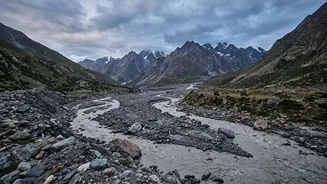
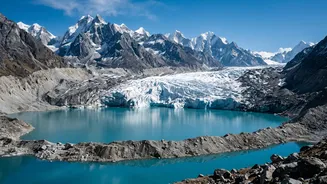
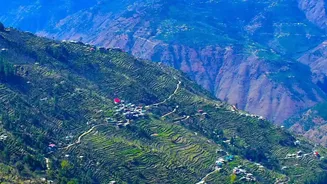
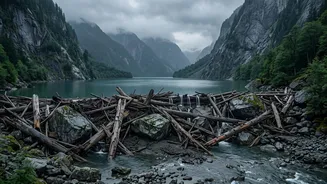
the world’s youngest and tallest mountain range, the Himalayas are geologically active and unstable, defined by precipitous slopes and deep, narrow valleys. When a disaster is triggered—whether by an earthquake, a cloudburst, or a collapsing glacier—these steep gradients act as an accelerator. A flash flood doesn’t just carry water; it becomes a thick, fast-moving slurry of mud, boulders, and debris, possessing far more destructive power. A GLOF can empty a massive lake in a matter of minutes, sending a wall of water and debris downstream. In some documented cases, river levels have surged by nearly 30 feet in just half an hour, a speed that simply outpaces any human ability to react.
A Climate in Overdrive
This inherent geological risk is now being supercharged by climate change. The Himalayan region is warming at a rate significantly faster than the global average. This has two profound consequences. First, it accelerates the melting of the region's thousands of glaciers. As they retreat, they leave behind vast lakes, often held in place by unstable natural dams made of loose rock and soil called moraines. These lakes are swelling in size and number, creating ticking time bombs high in the mountains. Second, a warmer atmosphere holds more moisture, leading to more frequent and intense bursts of extreme rainfall. These cloudbursts can saturate the fragile, deforested hillsides, triggering devastating landslides. Furthermore, rising temperatures are thawing permafrost—the frozen soil that has acted like a cement holding steep rock faces together for centuries. As this natural glue melts, entire mountainsides become more prone to collapse.
The Human Cost of Minutes
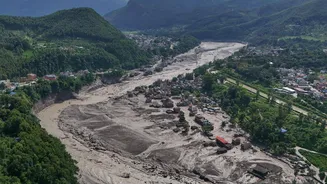
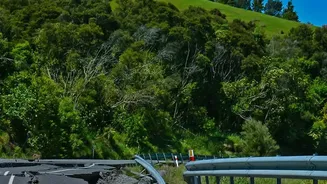
When disaster strikes, the window for survival is terrifyingly brief. Events like the 2021 Chamoli flood in Uttarakhand or the 2023 Sikkim GLOF illustrate a new and frightening pattern of cascading disasters. These often begin with a massive rock and ice avalanche high in the mountains. The fall generates enormous energy, transforming into a debris flow that thunders down valleys, obliterating anything in its path—homes, bridges, roads, and even multi-million dollar hydropower projects. For the people living downstream, there is often no warning. A normal day can turn into a fight for survival in an instant. The very infrastructure that connects these remote areas often becomes the first casualty, isolating entire villages for days or weeks. This severely hampers rescue and relief operations, leaving communities to fend for themselves in the immediate aftermath of a catastrophe. The constant threat forces a heavy psychological toll on residents living with the knowledge that their world could be swept away without notice.
The Difficult Search for a Warning
The obvious solution—better early warning systems—faces immense challenges in the Himalayas. The sheer scale and ruggedness of the terrain make comprehensive monitoring difficult and expensive. Many deep valleys lack reliable mobile networks or internet connectivity, complicating the transmission of real-time data from sensors to the people who need it most. Even with advanced technology like AI and satellite monitoring, predicting which of the thousands of glacial lakes or unstable slopes will fail is a monumental task. As a result, there is a growing consensus that a multi-pronged approach is needed. This includes not just technology, but also empowering local communities, who are always the first responders. Initiatives focusing on community-led disaster management, training local youth, and using low-tech solutions like community radio to disseminate warnings are proving vital. Furthermore, since Himalayan rivers cross national borders, transboundary cooperation on data sharing and warning protocols between India and its neighbours is essential to provide downstream communities with a fighting chance.