



The Promise and the Problem
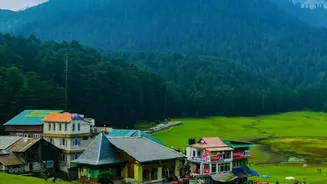
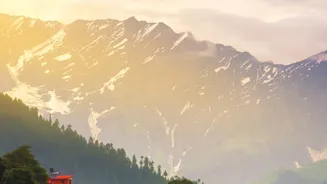
For generations of Indians, hill stations like Shimla, Manali, Mussoorie, and Ooty have been cherished escapes from the heat and chaos of the plains. They promised crisp air, quiet walks, and stunning vistas. Today, that promise is buried under an avalanche
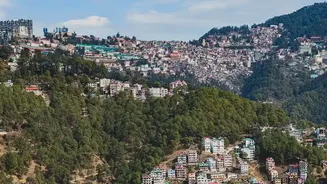
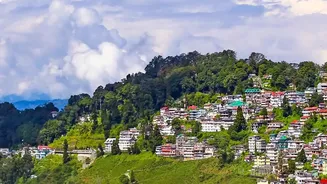
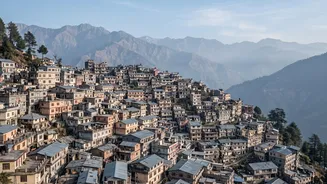
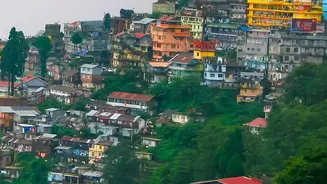
of its own success. The very charm that drew millions has been eroded by overcrowding, relentless traffic, and rampant commercialization. The Mall Roads in Shimla and Nainital are often so packed there is little room to walk, while the once-tranquil roads to Manali are now infamous for traffic jams that can last for hours. This isn't just a peak season problem anymore; it is a year-round crisis that has turned these retreats into high-altitude suburbs struggling under pressure.
A Legacy of Strain
The core of the problem lies in a fundamental mismatch of scale. Most of these towns were established during the British Raj as small administrative centers or sanatoriums, designed for a population of a few thousand. Shimla, for instance, was planned for about 25,000 people but its infrastructure now groans under the weight of a resident population that has swelled dramatically, plus a daily influx of thousands of tourists. The colonial-era water pipelines, drainage systems, and narrow roads were never meant to handle the demands of multi-storey hotels, sprawling homestays, and the constant flow of vehicles. This has resulted in a systemic breakdown, where basic amenities are no longer guaranteed.
The Unseen Environmental Toll
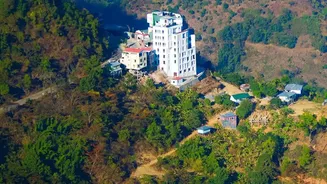
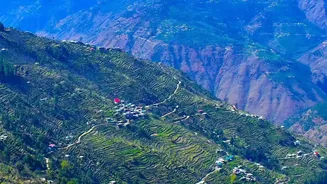
Beyond the visible crowds, a deeper ecological crisis is unfolding. Unregulated construction, often on fragile slopes, has led to deforestation and increased the risk of landslides and soil erosion. Water, the most critical resource, is becoming dangerously scarce. Many hill towns face acute water shortages during peak tourist season, with hotels consuming vast quantities while local residents are forced to queue for tankers. In Shimla, the demand for water regularly outstrips supply, a crisis compounded by drying springs and contaminated sources. Waste management is another major challenge; the sheer volume of garbage, particularly single-use plastics, overwhelms the limited capacity of mountain towns, polluting pristine forests and streams.
An Economic Double-Edged Sword
No one denies that tourism is the economic backbone for these regions, providing livelihoods for millions. However, the current model of unchecked, high-volume tourism is becoming unsustainable. It's a classic case of killing the goose that lays the golden eggs. As the natural beauty and tranquility that define these destinations are eroded, their appeal diminishes. The economic benefits are also often not distributed equitably, with much of the profit flowing to larger commercial interests rather than local communities who bear the environmental and social costs. Experts argue that the long-term health of the local economy depends on preserving the very environment that is currently under threat.
Is There a Way Back?
The situation, while dire, is not hopeless. A growing chorus of voices is calling for a fundamental shift towards sustainable and responsible tourism. Some solutions being explored include placing a cap on the number of tourists, imposing entry taxes on vehicles, and strictly enforcing building regulations. Promoting offbeat destinations can help distribute the tourist load more evenly. There is also a push towards community-centric models, such as eco-friendly homestays and hiring local guides, which ensure that tourism revenue directly benefits the local population and incentivizes conservation. Initiatives in some areas to ban plastic and manage waste more effectively show that positive change is possible. Ultimately, the future of India's hill stations depends on finding a delicate balance between commerce and conservation.