






A Landmark Industrial Project
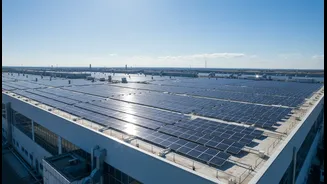
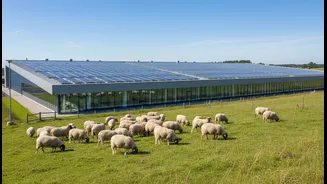
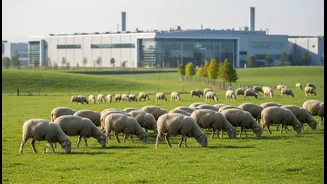
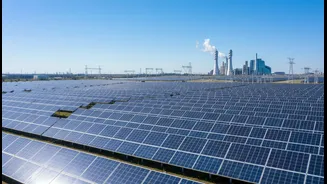
The factory in question is a Volkswagen manufacturing plant in Poznan, Poland, a key site for the automotive giant where it produces models like the VW e-Crafter commercial van. The power comes from a massive new solar farm built and operated by Berlin-based
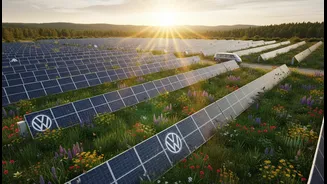
Quanta Energy. This photovoltaic installation features over 31,000 solar panels and boasts an impressive capacity of 18.3 megawatts. On particularly sunny days, the farm can generate enough electricity to meet the factory's entire power demand for a period. Averaged out over the year, its contribution settles at a substantial 25% of the plant's total consumption, a figure that makes it a cornerstone of the facility's energy strategy.
The Business Case For Going Green
This project is about more than just corporate responsibility; it represents a sound business decision in an era of volatile energy prices and ambitious climate goals. For Volkswagen, which aims to achieve net carbon-neutral production by 2050, the Poznan solar farm is a tangible step forward. Stefanie Hegels, CEO of Volkswagen Poznań, has highlighted that the project ensures access to energy at stable prices, a crucial advantage for any large-scale industrial operation. This move insulates the factory from geopolitical turbulence that can affect fossil fuel supplies and prices. Furthermore, it aligns with the company's broader decarbonisation programme, which has already seen it reduce greenhouse gas emissions in production by over 33% compared to 2018 levels. By investing in on-site renewable energy, the company takes direct control of its energy costs and its environmental footprint.
More Than Just Power
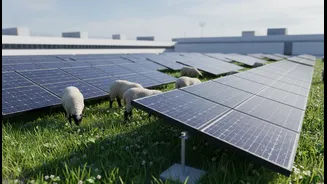
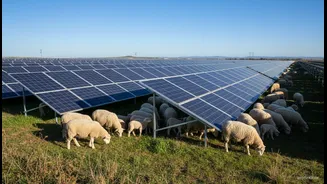
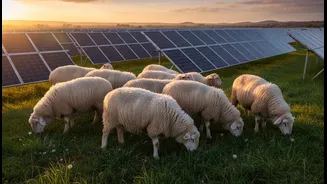
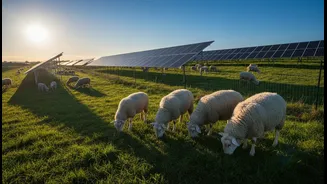
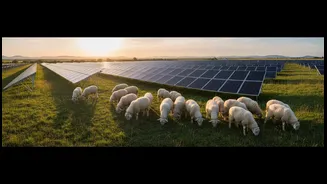
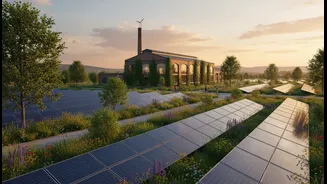
The solar farm's innovation extends beyond electricity generation. In a fascinating blend of technology and nature, Volkswagen has employed a flock of 100 sheep to manage the vegetation beneath the solar panels, replacing conventional lawnmowers. This initiative is part of a wider 'agrivoltaics' research project in partnership with the Poznań University of Life Sciences. Researchers are studying how combining solar power and agriculture affects animal welfare, soil quality, and local biodiversity. This makes the site a living laboratory, exploring how industrial land can serve multiple purposes. Marzena Pillich-Grońska, a director at Volkswagen Poznań, noted that the farm now delivers much more than green electricity, supporting biodiversity and local agriculture. This multi-layered approach demonstrates how modern industry can be integrated with natural systems.
A Blueprint for Poland's Energy Future
The Volkswagen project is a pioneering example within Poland's broader energy transition. The country, historically reliant on coal, is making significant strides towards renewable energy. Poland has one of the fastest-growing solar PV markets in the European Union and is developing ambitious offshore wind projects in the Baltic Sea. The government aims for renewables and nuclear power to supply a majority of the country's electricity by 2040. Projects like the Poznan solar farm provide a powerful blueprint for other industrial players. They demonstrate that decarbonising heavy industry is not only possible but also economically viable. As Poland pushes to meet its climate targets, such corporate-led initiatives will be crucial in accelerating the shift away from fossil fuels and building a more resilient and sustainable energy system for the entire country.