



A European Outpost in Africa
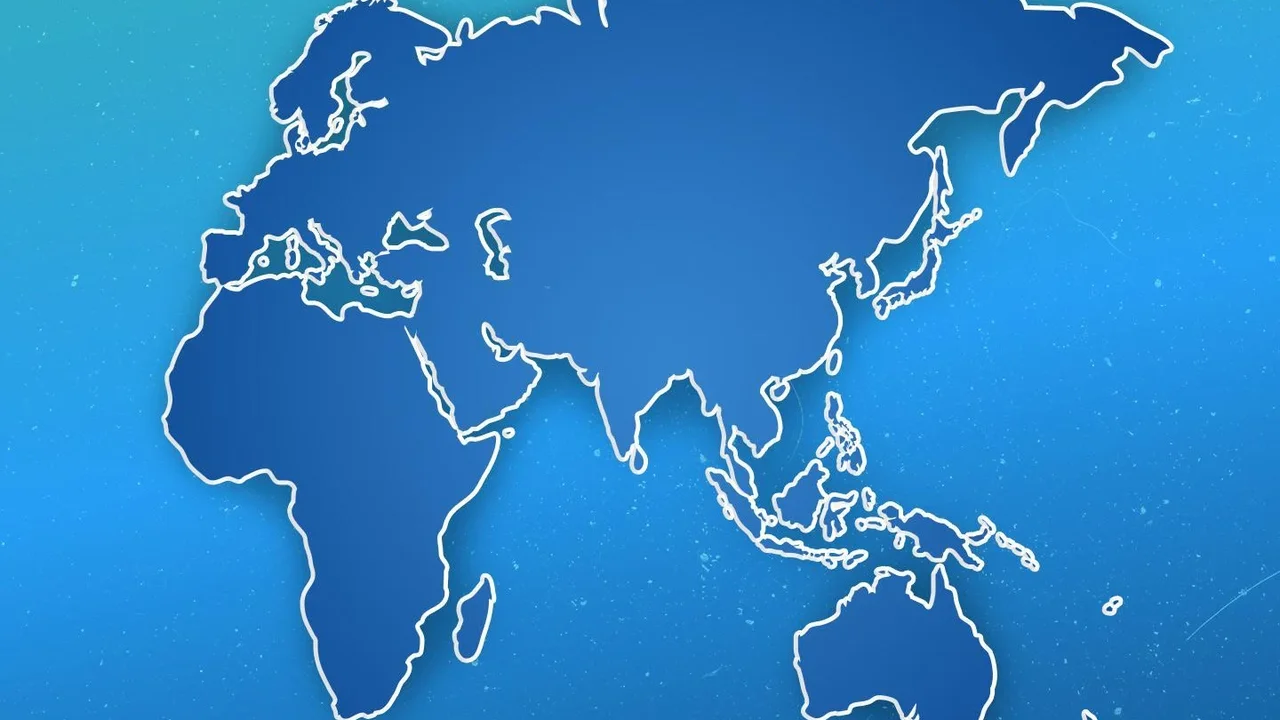
Ceuta, along with its sister city Melilla, is one of two Spanish autonomous cities on the African mainland. With a land border with Morocco, it represents one of the only places where the European Union and Africa physically meet. This makes it a powerful
magnet for migrants from across Africa seeking safety or economic opportunity in Europe. For centuries, it has been a part of Spain, but its sovereignty is not recognised by Morocco, a source of underlying diplomatic tension. The border is heavily fortified with fences and surveillance, but in late July and early August 2026, it became the scene of an unprecedented event.
An Unprecedented Border Surge
In late July 2026, tens of thousands of people, mostly young men, crossed from Morocco into Ceuta in a matter of days. Estimates of the total number of people who crossed vary, with some figures as high as 72,000. Many swam around the coastal barriers or scrambled over the fences, overwhelming local authorities and creating what Ceuta's president called a situation of "absolute humanitarian and social emergency". Dozens of people were reported to have died during the chaotic crossings, many from drowning. The sheer scale of the event was unlike previous incidents, which typically involved smaller numbers.
The Diplomatic Dimension
The mass crossing immediately raised questions about the role of Morocco. Border control in this sensitive area has long relied on close cooperation between Spanish and Moroccan authorities. Analysts noted that a surge of this magnitude would be difficult without at least a temporary reduction in controls on the Moroccan side. Morocco often uses migration as a diplomatic lever in its relationship with Spain and the wider EU. This has led to speculation that the relaxed border was a response to recent Spanish diplomatic moves, though this has not been proven. Similar, smaller-scale events have occurred in the past during periods of diplomatic tension, such as in 2021.
A Humanitarian Crisis on the Ground
While Spanish and Moroccan authorities quickly coordinated to return the majority of arrivals, thousands remained in Ceuta, placing immense strain on the city's resources. Reception centres were immediately overwhelmed, forcing many to live in makeshift camps on beaches or sleep on the streets. Humanitarian organisations like Save the Children reported a dire situation, with an estimated 2,000 unaccompanied children left without adequate support, some as young as seven. These children cannot be immediately sent back under Spanish law, creating a political and logistical challenge. Local officials have described the healthcare system as being on the verge of collapse, dealing with cases of hypothermia and injuries from the journey.
Europe's Divided Response
The crisis in Ceuta sent ripples across Europe, exposing deep divisions on migration policy. While many EU leaders expressed solidarity with Spain, some nations took immediate action, with Italy temporarily suspending the Schengen open-border agreement with Spain to secure its own frontiers. The incident has fueled a fierce debate about the security of the EU's external borders and the principle of solidarity among member states. Spanish Prime Minister Pedro Sánchez criticised the reaction of some EU partners as "selfish" and unlawful, highlighting the political fallout of the crisis. Meanwhile, both Spanish and Moroccan authorities are now monitoring social media for signs of new campaigns encouraging further mass crossings.