


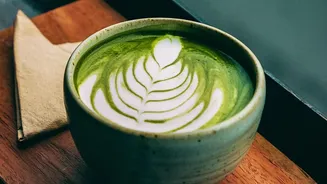

What Exactly Is a Dirty Matcha?
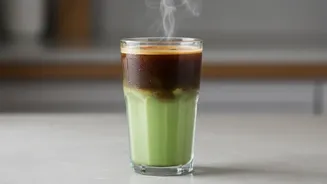
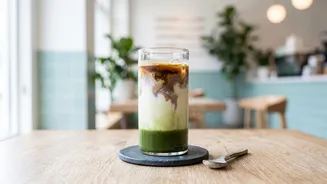
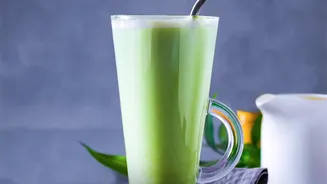
A dirty matcha is a layered beverage that starts with a classic matcha latte—a blend of matcha powder, water, and milk—and then gets 'dirtied' by a shot of espresso poured over the top. The term follows the same logic as a 'dirty chai', which is a chai latte with an added
espresso shot. The result is an eye-catching drink with a gradient of colour, from the vibrant green of the matcha at the bottom to the rich, dark brown of the coffee as it cascades downwards. This aesthetic, sometimes nicknamed a 'camo latte', is a huge part of its viral appeal online. The default is typically an iced version to showcase the layers, but hot versions are also popular.
An Unlikely Pairing of Flavours
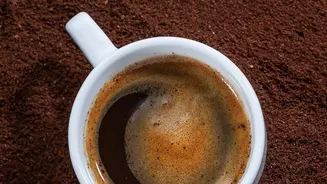
At first glance, the combination might seem odd. Matcha is known for its earthy, grassy, and slightly sweet umami notes, while espresso is characteristically bold, acidic, and bitter. Yet, for many fans of the drink, the flavours complement each other surprisingly well. The robust bitterness of the espresso can cut through the creamy, vegetal taste of the matcha, creating a complex and sophisticated flavour profile. The key to a good dirty matcha is balance; using a high-quality matcha powder is often recommended to ensure its flavour isn't completely overpowered by the intensity of the coffee. When done right, you get the earthy depth of the tea and the roasted boldness of the coffee in a single, creamy sip.
The Big Question: A Substantial Caffeine Kick
Combining matcha and espresso means you are doubling up on caffeine sources, and the total amount can be significant. A typical serving of matcha (around 1-2 grams of powder) contains roughly 60-70 mg of caffeine. A single shot of espresso contains a very similar amount, averaging between 60-80 mg. When you combine them in a dirty matcha, you're consuming approximately 120-150 mg of caffeine in one go. To put that in perspective, that's more than a standard 8-ounce cup of drip coffee (which has about 95 mg) and is a substantial portion of the 400 mg daily caffeine limit recommended for healthy adults by regulatory bodies like the U.S. Food and Drug Administration.
A Smoother Buzz? The L-Theanine Effect
Despite the high caffeine number, many drinkers report that a dirty matcha provides a different kind of energy boost compared to straight coffee. This is thanks to L-theanine, a unique amino acid found abundantly in matcha but not in coffee. L-theanine is known for promoting a state of calm, focused alertness. When paired with caffeine, it can help smooth out the sharp jolt and potential jitters that some people experience from espresso, leading to a more sustained and balanced energy lift without the dreaded crash. This combination gives you the immediate kick from the coffee and the long-lasting, focused energy from the matcha.
How to Make a Dirty Matcha at Home
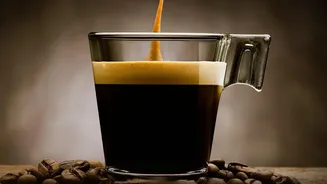
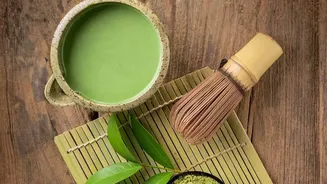
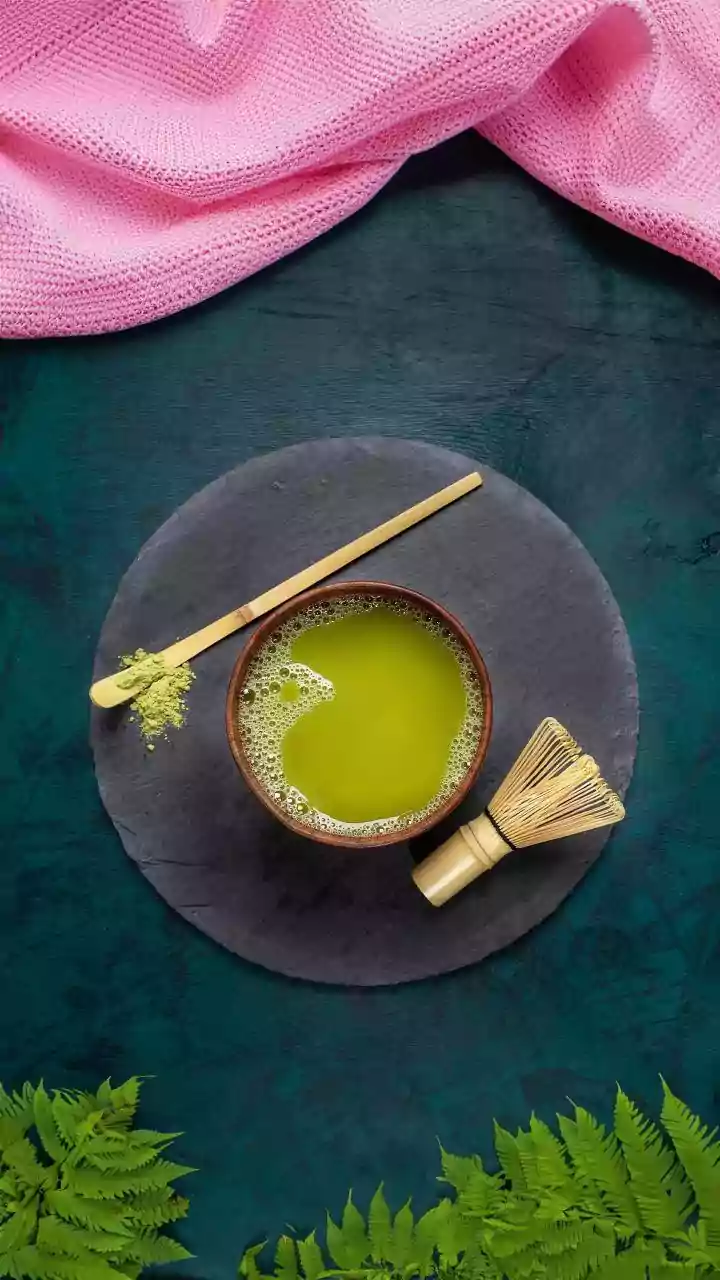
The good news is you don’t need to be a professional barista to whip up this trendy drink. Here's a simple method for an iced version: 1. Prepare the Matcha: Sift 1-2 teaspoons of matcha powder into a bowl to remove clumps. Add about 60 ml of hot (not boiling) water and whisk vigorously in a zigzag motion until the matcha is dissolved and a light foam appears on top. If you like it sweet, now is the time to whisk in your sweetener of choice, like honey or maple syrup. 2. Assemble the Base: Fill a tall glass with ice. Pour in about 180 ml of your preferred milk (oat milk is a popular choice for its creaminess). Then, pour your prepared matcha mixture over the milk. 3. Get it Dirty: Brew a single shot of espresso. If you don't have an espresso machine, you can use 30-60 ml of very strongly brewed coffee instead. Gently and slowly pour the hot espresso over the top of the milk and matcha. This will create the signature layered 'dirty' effect.