





The Undisputed King and Its Court
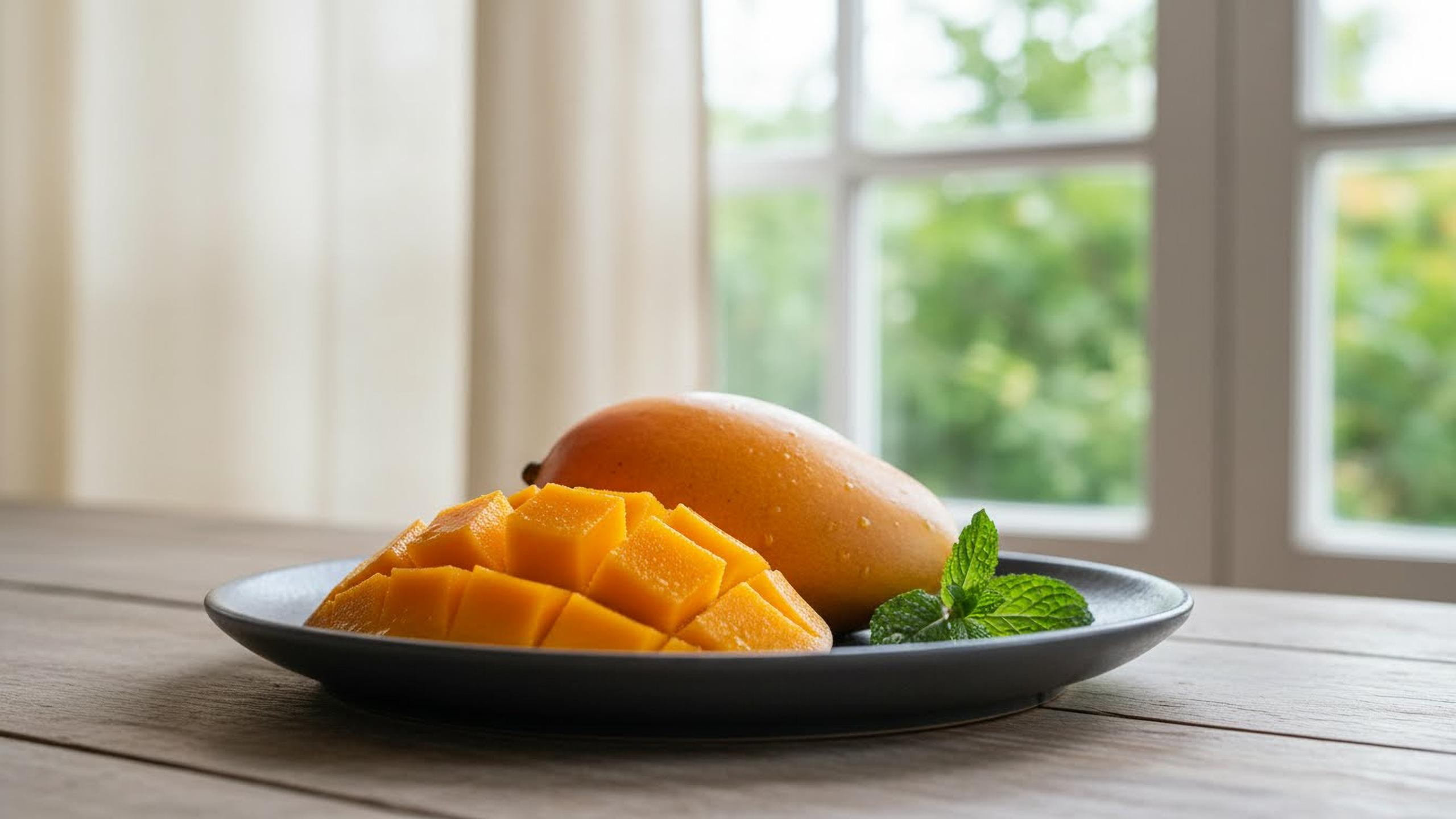
For decades, the Alphonso has been the undisputed king of Indian mangoes, especially in export markets. Renowned for its creamy, non-fibrous texture and a divine aroma, it commands premium prices in the UK, Europe, and the US. Connoisseurs eagerly await
its short seasonal window from April to June. However, the very qualities that make it a luxury fruit also present challenges. Its delicate nature and short shelf life make exporting it a costly and delicate logistical operation. This reliance on a single, sensitive variety has meant that India's vast mango diversity has remained largely a local secret, with varieties like Kesar, Banganapalli, and Langra also playing important but often secondary roles in the export basket.
Enter the Strategic Contenders
This is where Neelam and Totapuri enter the picture. These South Indian varieties are not new to India, but their role in the international market is becoming increasingly strategic. Unlike the sprint of the Alphonso season, Neelam and Totapuri are long-distance runners. Harvested later in the year, typically from late June through July and even into August, they extend India's mango export window significantly. This allows India to cater to global demand long after the peak season for other varieties has passed, ensuring Indian mangoes remain on international shelves for a larger part of the year.
Neelam: The Late-Season Star
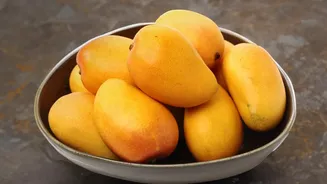
The Neelam mango is prized for its beautiful shape, sweet and juicy pulp, and a distinct floral aroma. While it offers a different flavour profile from the Alphonso—often described as a perfect balance of sweet and tart—its robustness makes it a strong candidate for export. It travels better and has a longer shelf life, making it a more reliable product for distant markets. It is excellent for fresh consumption but also shines in desserts, smoothies, and beverages. A recent milestone facilitated by the Agricultural and Processed Food Products Export Development Authority (APEDA) saw the first-ever air shipment of Neelam and Totapuri mangoes from Karnataka to the Maldives, a move designed to specifically promote these late-season varieties.
Totapuri: The Processing Powerhouse
The Totapuri is instantly recognizable by its unique parrot-beak shape. While it can be eaten fresh, its primary value in the export market is for processing. With its tangy-sweet flavour and firm, fibrous pulp, the Totapuri is the undisputed champion for making mango pulp, purees, and juices. Major food and beverage companies around the world rely on Indian Totapuri pulp for their products. This makes it a high-volume, functional export that complements the premium, fresh-eating market dominated by Alphonso. It’s a workhorse, providing a steady and cost-effective foundation for India's mango processing industry.
A Strategy of Diversification and Resilience
Promoting Neelam and Totapuri is a smart move for India. It diversifies the country's export basket, reducing dependence on a single, premium variety. This strategy opens new markets and caters to different consumer needs, from luxury fruit lovers to industrial food processors. Furthermore, by creating direct links between Farmer Producer Companies (FPCs) and international markets, initiatives to export these varieties are ensuring better returns for farmers. In the recent export to the Maldives, farmers reportedly earned over 50% higher returns compared to selling in domestic markets, showcasing the economic benefits of this expanding strategy.