





The Blueprint: Responsible Tourism Mission
At the core of Kerala's strategy is the Responsible Tourism (RT) Mission, a government-led initiative launched in 2007. The goal was to move beyond conventional tourism, which often sees revenue leak out of local areas, and instead create a system where
the community directly benefits. The model is built on three pillars: social, economic, and environmental responsibility. It started with pilot projects in four key destinations—Kovalam, Kumarakom, Thekkady, and Wayanad—and has since expanded across the state. The mission formally connects tourism businesses with local producers, artisans, farmers, and cultural groups, ensuring that the economic benefits of tourism remain within the community. This participatory approach aims to make tourism a tool for rural development and poverty reduction.
From Policy to People: How It Works
The RT Mission isn't just a policy on paper; it's a network of tangible, ground-level enterprises. Think of village life experience tours where travellers learn coir-making from local artisans, or enjoy a traditional meal prepared by a women-led catering unit. Homestays allow families to earn an income while offering visitors an authentic slice of Keralan life. The state’s Kudumbashree program, a massive network of women's self-help groups, has been a key partner, empowering women to run small businesses that cater to the tourism sector. By involving residents directly, the initiative gives them a stake in preserving their cultural and natural heritage, turning them from passive spectators into active guardians and beneficiaries of the tourism economy.
Reaping the Rewards
The success of this model has not gone unnoticed. Over the years, Kerala's RT Mission has won numerous national and international accolades, including awards from the World Travel Mart (WTM) in London and the United Nations World Tourism Organization (UNWTO). For example, the village of Kumarakom became a celebrated success story, earning a UNWTO Ulysses Award for its innovative approach to public policy in tourism. More recently, projects like the 'STREET' initiative, focused on sustainable and experiential tourism, have also gained global recognition. These awards highlight the model's effectiveness in creating inclusive growth and serve as a global benchmark for how to align tourism with sustainable development goals.
The Hurdles on the Path
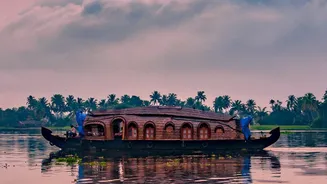
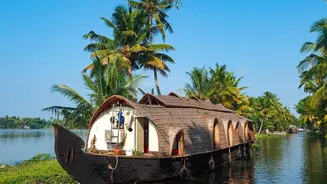
Despite its many successes, the path is not without challenges. One of the biggest concerns is the pressure that comes with popularity. The rapid growth in tourism can lead to environmental strain, such as pollution in the backwaters from an increasing number of houseboats, many of which may not be properly licensed or regulated. There are also issues of overcrowding in popular destinations and the risk of cultural commercialization if growth is not managed carefully. Ensuring that the benefits are distributed equitably across all communities and avoiding 'greenwashing'—where sustainability is more of a marketing term than a genuine practice—remain ongoing tasks for administrators. Furthermore, inadequate infrastructure and financial support can sometimes hinder the progress of these initiatives in more remote rural areas.