




Nolan’s Mythic Blockbuster
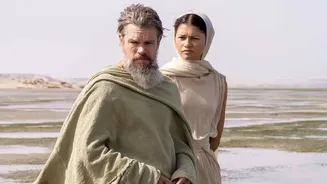
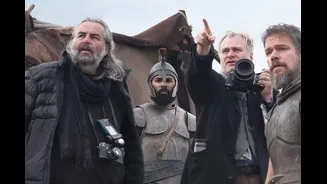
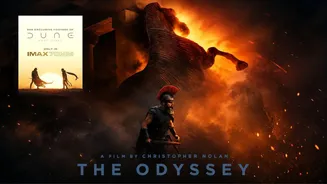
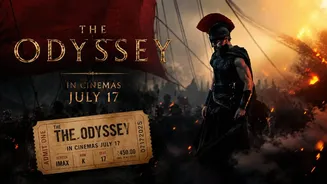
First, let's clarify the main event. The highly anticipated film from director Christopher Nolan hitting cinemas on July 17 is titled ‘The Odyssey’. Following his Oscar-winning triumph with ‘Oppenheimer’, Nolan has pivoted to one of the oldest stories
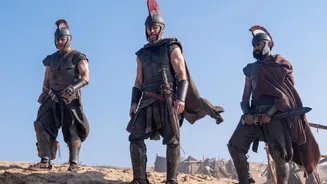
in Western literature, assembling a staggering cast to bring Homer’s epic poem to life. Matt Damon stars as the hero Odysseus on his arduous journey home after the Trojan War, with Anne Hathaway as his waiting wife Penelope and Tom Holland as their son, Telemachus. The cast also includes A-listers like Zendaya, Robert Pattinson, and Charlize Theron. True to form, Nolan has leaned into practical filmmaking on a grand scale, using new IMAX camera technology and a reported budget of around $250 million to create a tangible, visceral world. This is a classic Hollywood event movie, representing the pinnacle of traditional, big-budget studio craftsmanship.
So What Is ‘Odysseus: The Fall’?
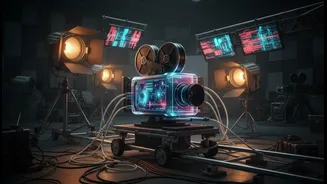
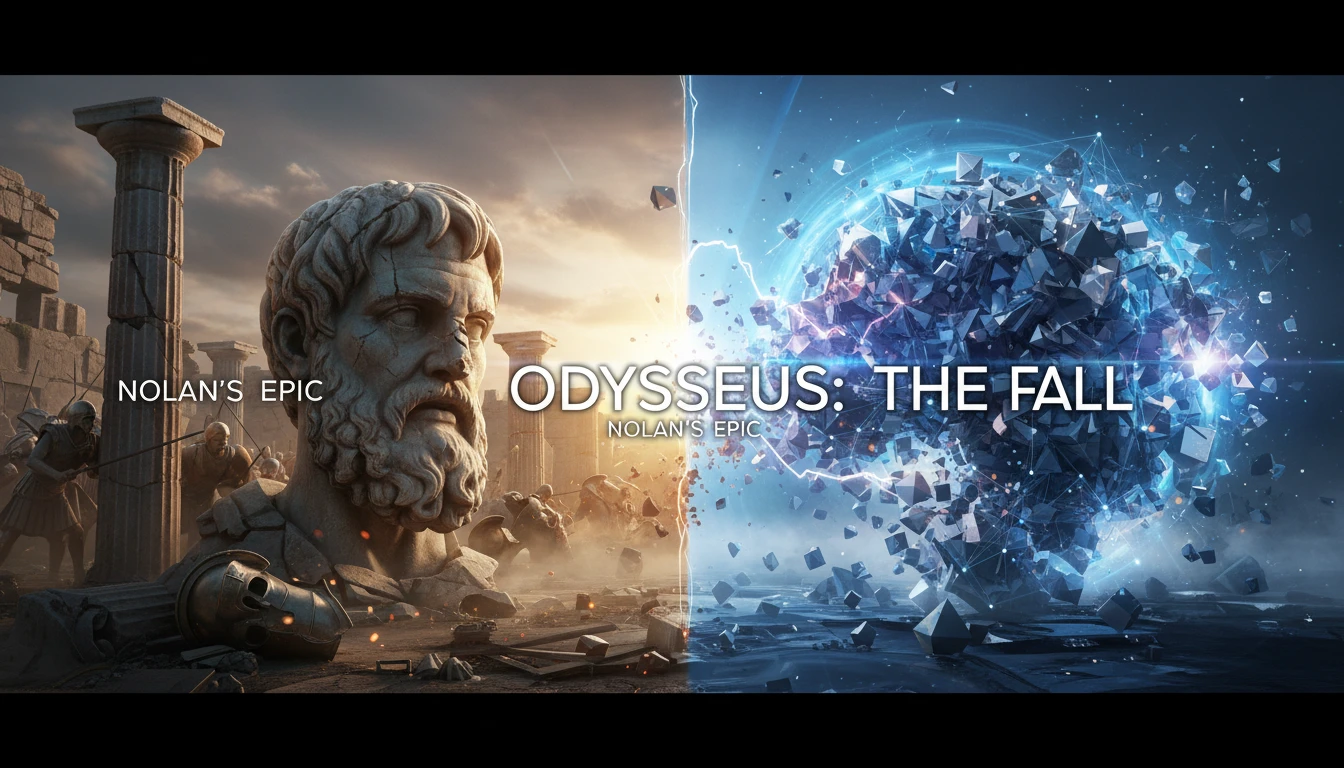
This is where the confusion begins. ‘Odysseus: The Fall’ is an entirely separate movie that is not directed by Christopher Nolan. Instead, it’s a feature-length, 135-minute film created almost entirely with artificial intelligence. It comes from the AI film studio Fountain 0 and director Ash Koosha, who gained attention when his previous AI-generated film, ‘Dreams of Violets,’ premiered at the Tribeca Film Festival. While Nolan’s film is a Universal Pictures blockbuster backed by hundreds of millions of dollars, ‘Odysseus: The Fall’ was reportedly made by its creator working part-time over three months for a minuscule budget consisting mainly of cloud computing credits. The film is not releasing in cinemas this week but is planned for a streaming debut later in the summer.
A Deliberate Cinematic Collision
The timing of this second Odysseus film is no coincidence. The creators of ‘Odysseus: The Fall’ have been open about their strategy: to release their AI-generated epic in the wake of Nolan’s blockbuster to provide a direct comparison. Their stated goal is to spark a conversation about the democratization of filmmaking. They argue that AI can empower creators to tell vast, epic stories without needing access to Hollywood-sized budgets, challenging the traditional studio system. By tackling the same foundational text as one of the world’s most revered directors, the AI studio is forcing a direct comparison between a human-led, handcrafted production and one generated by algorithms. It’s a bold, almost guerrilla marketing move designed to piggyback on the hype for Nolan's film and insert AI into the mainstream cinema conversation.
Human Artistry vs. ‘AI Slop’
The showdown between the two films highlights the current, and very wide, gap between human artistry and machine-generated content. Nolan’s ‘The Odyssey’ is the result of thousands of hours of work from a massive crew of artists, actors, and technicians, filmed in real-world locations from Italy to Scotland. Early reactions to footage have praised its scale and intensity. In stark contrast, the trailer for ‘Odysseus: The Fall’ was met with widespread online ridicule. Commenters have mocked its uncanny visuals and rapid, disjointed cuts—a hallmark of current AI video limitations—labeling it an example of a ‘slopbuster,’ the AI equivalent of a cheap mockbuster that imitates a major film. While the AI film’s existence raises fascinating questions about the future, its current execution has been received as more of a strange curiosity than a genuine competitor to Nolan's craft.