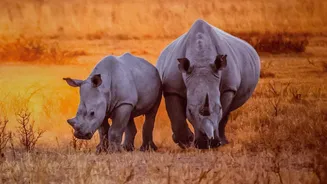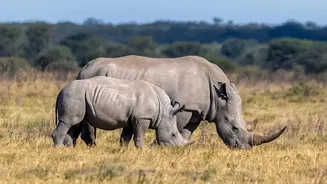





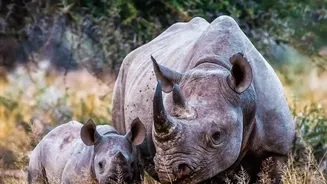
The Numbers Are In
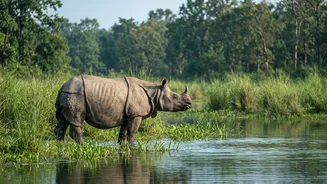
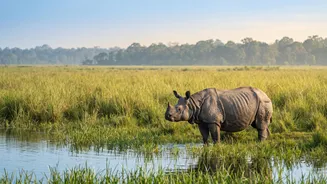
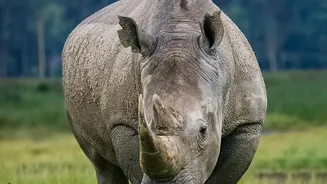
According to the latest census conducted in June 2026, the total number of greater one-horned rhinoceroses in Uttar Pradesh's Dudhwa Tiger Reserve has climbed to 53. This represents a net increase of five animals since the last count, even after accounting
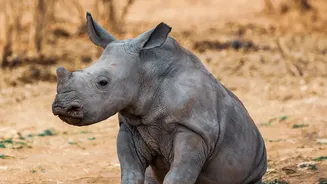
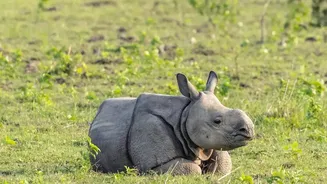
for some natural losses. The survey, carried out meticulously by 20 teams of forest personnel and experts from WWF-India, identified 17 adult males, 25 adult females, and 11 calves, painting a picture of a healthy, breeding population. This slow but steady growth is a powerful indicator that the long-term strategy to bring rhinos back to this part of India is bearing fruit.
A Hard-Won Victory
The presence of any rhinos in Dudhwa is a modern conservation miracle. The greater one-horned rhino, once widespread across the Gangetic plains, was wiped out from this region over a century ago due to habitat loss and widespread hunting. The current population is not a remnant of an old herd, but the result of an ambitious reintroduction program that began in 1984. In a landmark effort, seven founder rhinos were translocated from Assam and Nepal to a specially prepared, fenced-in area within the reserve, giving the species a second chance in its historical homeland.
From Enclosure to the Wild
For nearly four decades, the rhinos of Dudhwa lived and bred within the safety of two large enclosures, known as Rhino Rehabilitation enclosures (RR1 and RR2). This cautious approach was designed to build a stable and genetically healthy population, shielded from the immediate risks of poaching and conflict. The strategy has been a resounding success. In recent years, managers have begun the next crucial phase of the project: releasing rhinos from these enclosures into the wider expanse of the tiger reserve. As of 2026, 11 rhinos are now roaming free, a significant step towards establishing a truly wild and self-sustaining population. This phased release, carefully managed by the UP Forest Department and partners like WWF-India, is improving genetic diversity and reducing the risks of inbreeding.
Why Dudhwa Matters
The success in Dudhwa is critically important for the long-term survival of the species in India. While Assam's Kaziranga National Park is the primary stronghold for the greater one-horned rhino, concentrating a species in one location is a risky game. A single catastrophic event, be it a flood, an epidemic, or a surge in poaching, could have devastating consequences. By establishing a viable, breeding population in Dudhwa, conservationists are creating a vital second-line of defense. Uttar Pradesh is one of only three states in India with a wild rhino population, alongside Assam and West Bengal, making Dudhwa a key piece of the national conservation puzzle.
The Challenges Ahead
Despite the good news, the work is far from over. The threats that wiped out the rhinos originally have not entirely disappeared. Poaching for their horns, though under better control, remains a persistent danger that requires constant vigilance. As rhinos begin to move into unfenced areas of the park, the risk of human-wildlife conflict increases. Animals straying into nearby farms or villages can lead to crop damage and create tension with local communities. Furthermore, natural threats exist even within the park. In the past year, the reserve lost three rhinos to territorial fights with other rhinos and predation by tigers, a rare but documented occurrence.