






A Historic Leap into Orbit
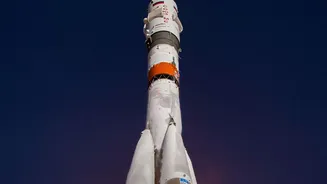
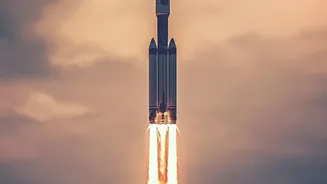
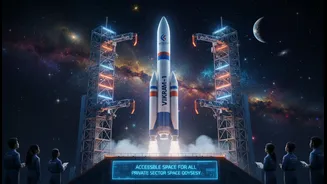
Not long ago, the idea of a private Indian company sending a rocket into orbit felt like science fiction. Skyroot Aerospace turned it into fact. On July 18, 2026, the company’s Vikram-1 rocket successfully lifted off, deploying satellites into a stable
orbit and making India only the third country, after the US and China, with private orbital launch capability. This landmark achievement wasn’t just a one-off success; it was the culmination of years of work, including a successful suborbital flight in 2022, and the crucial proof point for the company’s much larger commercial ambitions. Founded in 2018 by former ISRO scientists Pawan Kumar Chandana and Naga Bharath Daka, Skyroot has quickly moved from a promising startup to a national trailblazer, validating the Indian government's decision to open the space sector to private enterprise.
The Blueprint for a Monthly Cadence
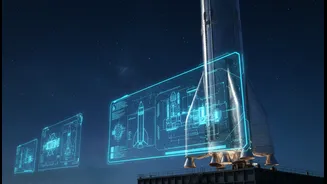
So, how does a company go from its first orbital launch to a dozen a year? For Skyroot, the answer lies in a strategy of vertical integration and advanced manufacturing. CEO Pawan Kumar Chandana has been clear that the monthly launch goal is not a distant dream but a production target. The key enabler is the company's new 'Infinity Campus' in Hyderabad, a 200,000-square-foot facility capable of producing one Vikram-series rocket every month. By controlling the entire process—from design and manufacturing to integration and testing—under one roof, Skyroot aims to dramatically shorten the time it takes to build and launch a rocket. This 'assembly line' approach to rocketry is fundamental to achieving the speed and reliability needed to compete in the global market.
Technology That Enables Speed and Scale
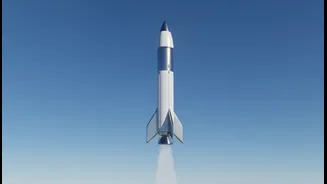
Building rockets quickly doesn't matter if they aren't reliable or cost-effective. Skyroot's Vikram-1 is engineered with both speed and efficiency in mind. The rocket features an all-carbon-composite structure, which is significantly lighter than traditional materials, allowing it to carry heavier payloads. Even more innovative is its fourth-stage engine, the Raman-I. Key components of this engine are 3D printed, which cuts manufacturing time by up to 80% and reduces its weight by half compared to conventional methods. This use of additive manufacturing, combined with reliable solid-fuel stages named after Dr. A.P.J. Abdul Kalam, allows for quicker assembly and fewer points of failure. It's this blend of cutting-edge materials and manufacturing techniques that provides the technological backbone for Skyroot's high-frequency launch ambitions.
Tapping into the Small Satellite Boom
Skyroot's aggressive push for a monthly launch cadence is a direct response to a massive market opportunity. The global demand for small satellite launches is exploding, with companies worldwide needing regular, reliable, and affordable rides to space for applications ranging from Earth observation to communications. Previously, small satellite operators had to 'hitchhike' on larger missions, often facing long delays and compromises on their desired orbit. Skyroot aims to be the space equivalent of a dedicated taxi service, offering clients timely and precise deployment of their assets. By industrializing the launch process and bringing down costs, Skyroot is positioning itself as a key player in a market projected to be worth hundreds of billions of dollars globally. The Indian space economy alone is forecast to grow from around $8.4 billion today to over $40 billion by 2033.