







The Allure of the Automated Factory
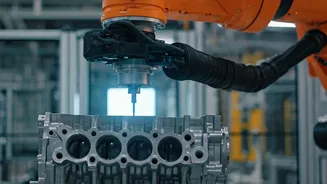
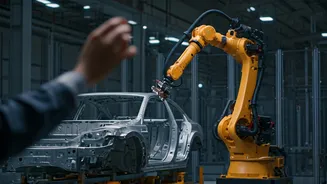
For years, the promise of automation in manufacturing has been immense. The vision was a seamless factory floor where intelligent systems and robots build cars with flawless precision, boosting productivity and cutting costs. Like many global players,
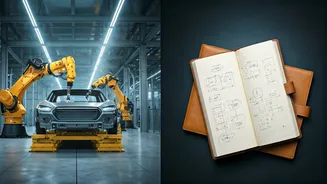
Ford invested heavily in this future, deploying AI-powered cameras and automated systems to handle tasks from assembly to quality control. The strategy was straightforward: feed design requirements into an AI, and let the machine catch defects, streamline production, and reduce reliance on human intervention. This approach was seen as the next logical step in industrial evolution, a way to stay competitive in a rapidly changing automotive landscape.
A Costly Reality Check
However, Ford soon ran into expensive headaches. Despite the advanced technology, the company faced persistent reliability issues and soaring recall costs. An overreliance on automated quality systems was not delivering the high standards the company expected. The AI, while excellent at processing data and performing repetitive tasks, lacked the nuanced judgment and intuition of a seasoned engineer. It could spot known issues but struggled to identify novel or complex problems that a human expert might sense instinctively. Charles Poon, Ford's vice president of vehicle hardware engineering, admitted the company mistakenly thought introducing AI would automatically produce a high-quality product.
The Return of the 'Grey Beards'
In a significant strategic pivot, Ford began rehiring hundreds of veteran engineers, sometimes called 'gray beards,' over the last three years. The company brought back about 350 experienced specialists to help solve its quality crisis. These engineers possess decades of hard-earned wisdom from working through multiple product cycles. Their role was not just to inspect parts, but to proactively hunt for potential failure points before a component even reaches the factory floor—a task that requires deep institutional knowledge. Ford realised it had underestimated the value of this experience, especially after many senior experts had left the company before their invaluable knowledge could be transferred to the AI systems.
A New Hybrid Approach
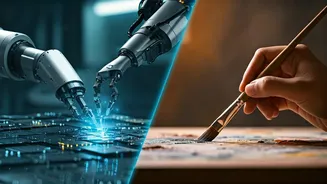
Ford’s new strategy isn't about abandoning AI but creating a powerful collaboration between human and machine. The veteran engineers are now crucial to training the AI systems, mentoring younger employees, and leading mandatory design reviews. By feeding the AI with the rich, practical knowledge of its most experienced people, Ford is making its automation smarter. This hybrid model leverages the strengths of both: the AI's ability to analyse vast amounts of data and the human's ability to apply context, creativity, and real-world judgment. The results have been dramatic, with Ford seeing its warranty and recall costs come down by hundreds of millions of dollars and topping the J.D. Power Initial Quality Study for mainstream brands for the first time since 2010.
A Lesson for Every Industry
Ford's experience serves as a powerful case study for all industries rushing to integrate AI. It highlights a critical risk: replacing experienced staff before their knowledge can be captured and integrated can lead to costly failures. The story shifts the conversation from 'Will AI take our jobs?' to 'How can we use AI to do our jobs better?'. The future of work is not a battle between humans and machines, but a partnership. Automation can handle repetitive, physically demanding tasks, freeing up humans to focus on complex problem-solving, creative solutions, and strategic oversight—areas where they still hold a distinct advantage.