





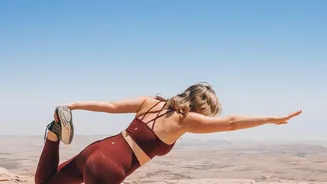
The Inward Journey: Yoga's Quiet Power
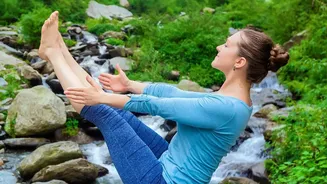
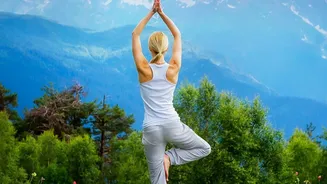
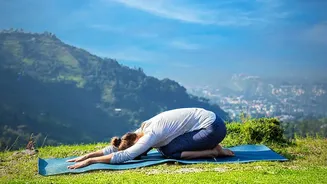
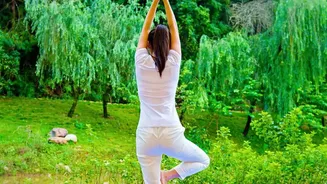
Yoga's approach to anxiety is fundamentally an internal one. It works by calming the body's stress-response system through a combination of physical postures, controlled breathing, and mindfulness. When you feel anxious, your sympathetic nervous system—the
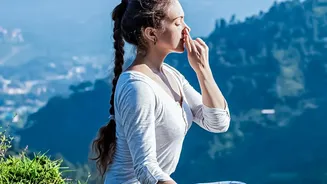
'fight or flight' mechanism—is in overdrive. Yoga helps activate the opposing parasympathetic nervous system, known as the 'rest and digest' system. Techniques like slow, deep breathing (pranayama) directly stimulate the vagus nerve, which tells your brain to slow your heart rate and lower your blood pressure. On a chemical level, studies have shown that a consistent yoga practice can increase levels of gamma-aminobutyric acid (GABA), a neurotransmitter that helps regulate nerve activity and has a calming effect. By turning your focus inward, yoga teaches you to observe anxious thoughts without getting swept away by them, building a sense of peace from the inside out.
The Outward Path: Trekking's Trail-Tested Relief
If yoga is an inward journey, trekking is its outward-facing counterpart. It combats anxiety by changing your environment and challenging your body. The physical exertion of hiking releases endorphins, which are powerful, natural mood-lifters. But the benefits go beyond a simple 'runner's high.' Being in nature, an approach sometimes called ecotherapy, has been shown to reduce levels of cortisol, the primary stress hormone. The simple act of walking in a natural setting can decrease rumination, the pattern of repetitive negative thoughts that often fuels anxiety. Furthermore, trekking provides a clear sense of purpose and accomplishment. Navigating a trail, overcoming physical obstacles, and reaching a summit reinforces self-efficacy and resilience, directly countering the feelings of helplessness that anxiety can bring. It pulls your focus outward, demanding attention to the path ahead and the beauty around you.
Mat vs. Mountain: A Different Rhythm
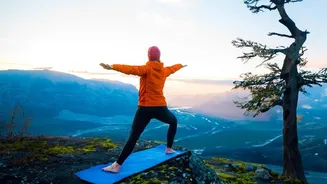
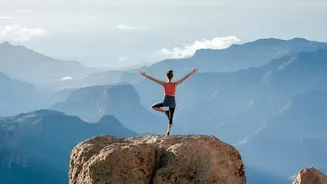
So, how do they stack up? Think of yoga as a tool for regulation and trekking as a tool for release. Yoga provides a controlled environment to practice calming your nervous system, building a skill you can use anytime. Its effects are often subtle and cumulative, teaching introspection and self-awareness. Trekking, on the other hand, offers a more immediate and visceral release. The combination of vigorous exercise and immersion in nature provides a powerful reset button for a worried mind. Yoga is about mastering the internal landscape, finding stillness amidst the noise in your head. Trekking is about engaging with the external landscape, finding perspective by realizing how small your worries are in the face of a vast mountain view. One builds quiet resilience; the other builds rugged endurance.
Which Path Is Right For You?
The best choice depends entirely on your personality and what your mind needs at any given moment. If you feel overwhelmed, overstimulated, and disconnected from your body, the structured, grounding practice of yoga may be the perfect antidote. It can provide a safe container to process difficult emotions. If you feel stuck, lethargic, or trapped in a cycle of negative thoughts, the forward momentum and expansive scenery of a trek might be what you need to break free. A long walk in the woods can help you literally and figuratively move through your problems. There's no need to choose just one. In fact, the two practices complement each other beautifully. Yoga can improve the flexibility, balance, and core strength needed for trekking, while trekking provides a powerful real-world application for the mindfulness and breath control learned on the mat.