







A Dessert with a Rich History
Chocolate pudding is more than just a simple snack; it's a dessert with a long and varied history. Early versions dating back to the 18th century were quite different from the creamy, chilled dessert many know today. In Britain and Australia, 'pudding'
often refers to a steamed or baked cake-like dish. The smooth, custard-style pudding popular in North America and Asia became widespread thanks to the introduction of packaged mixes in the 1930s by companies like General Foods. Initially, it was even considered a wholesome, high-calorie food for children or those with poor appetites. Over time, whether made from scratch on a stovetop or from a convenient instant mix, it has secured its place as a beloved classic dessert for all ages.
Stovetop, Baked, or Instant?
The beauty of chocolate pudding lies in its accessibility. For those who love a rich, deep flavour, a homemade stovetop version is unmatched. This method involves cooking milk, sugar, cocoa, and a thickener like cornstarch until it becomes luscious and creamy. Some recipes use egg yolks for an even richer, more custard-like texture. Baked versions, on the other hand, result in a firmer, denser dessert, often cooked in a water bath to ensure a silky consistency. And for moments when time is short, instant pudding mixes offer a quick and satisfying solution—just whisk with milk and let it set. While connoisseurs might prefer the complexity of a cooked pudding, the instant version delivers that familiar chocolatey goodness in minutes.
The Classics Never Fail
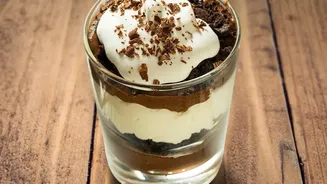
The most traditional way to serve chocolate pudding is often the most satisfying. A generous dollop of freshly whipped cream is the quintessential topping, its light airiness cutting through the richness of the chocolate. For a bit of texture, a simple sprinkle of chocolate shavings or a dusting of cocoa powder works wonders. Crushed biscuits, like graham crackers or simple shortbread, add a delightful buttery crunch that complements the pudding's smooth texture. And of course, a few fresh berries, such as raspberries or strawberries, can provide a bright, slightly tart contrast that lifts the entire dessert.
Creative and Crunchy Additions
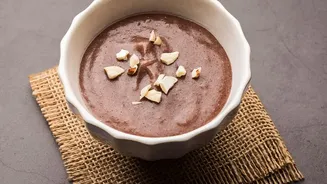
To elevate your pudding from a simple snack to a more complex dessert, texture is key. Toasted nuts like almonds, hazelnuts, or pistachios offer a wonderful crunch and nutty depth of flavour. For a playful twist, consider adding crushed cookies like Oreos, which creates the classic 'dirt pudding' effect that is popular with children. Granola or even toasted coconut flakes can introduce a wholesome, rustic element. For those who enjoy a sweet and salty combination, a sprinkle of flaky sea salt or a handful of crushed pretzels can create an unexpectedly delicious contrast against the sweet, creamy chocolate.
Gourmet and Fusion Flavours
Chocolate pudding is an excellent base for more adventurous flavour pairings. A drizzle of salted caramel sauce or peanut butter creates a decadent, gooey layer. For a touch of Indian fusion, consider incorporating flavours and textures common in local sweets. A sprinkle of fragrant cardamom, a few strands of saffron, or a garnish of chopped pistachios and almonds can connect the dessert to familiar mithai profiles. You could also crumble a piece of kaju katli or besan ladoo over the top for a truly unique fusion experience. Another idea is to pair the pudding with fruit compotes, such as those made from mango or rose petal preserves (gulkand), adding a floral, aromatic dimension to every spoonful.