

Millets Over Quinoa
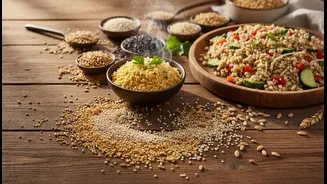
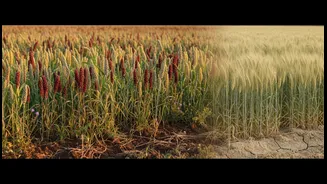
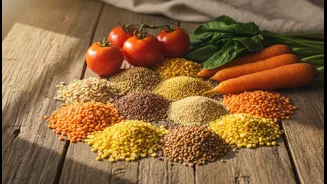
Quinoa's reputation as a health-food hero is well-marketed, but India's own millets like ragi, bajra, and jowar are nutritional champions that are much friendlier to your wallet. While quinoa is praised for being a complete protein, this is less critical
in an Indian diet where grains are almost always paired with dal, which together create a complete protein profile. Where millets truly shine is in their micronutrient content. Ragi, for instance, contains about 344mg of calcium per 100g, nearly seven times more than quinoa. Meanwhile, pearl millet (bajra) delivers almost three times the iron. Considering millets can cost a fifth of the price of imported quinoa, switching back to these indigenous grains is a smart move for both health and budget.
The Power of Pulses
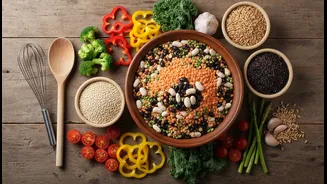
Before expensive protein powders became the norm, there was dal. Lentils and pulses are the backbone of Indian vegetarian cooking for a reason—they are nutritional powerhouses. A 100g serving of uncooked masoor dal (red lentils) packs about 25g of protein and 7mg of iron. Similarly, toor dal offers 22g of protein and is rich in folate, which is essential for cell growth and development. The combination of dal with rice or roti creates a high-quality complete protein, a concept deeply embedded in Indian food wisdom. Instead of splurging on processed protein supplements, a simple bowl of dal provides a clean, affordable, and fibre-rich source of this vital macronutrient.
Local Greens vs. Kale
Kale had its moment in the global health spotlight, but native Indian greens like moringa (drumstick leaves) are often more nutritious and far more accessible. Gram for gram, moringa provides more protein, iron, and calcium than kale. While kale has slightly more Vitamin A and C, moringa contains a wider array of anti-inflammatory compounds and essential amino acids. Moringa leaves are easy to grow in many parts of India and can be added to dals, soups, and sabzis, making them a versatile and cost-effective alternative to imported greens that often wilt on store shelves.
Amla: The Original Super-Berry
Long before exotic berries like goji and acai were marketed for their antioxidant properties, India had amla (Indian gooseberry). Revered in Ayurveda for centuries, amla is one of the most potent sources of Vitamin C on the planet, containing as much as 20 times more than an orange. Its antioxidant capacity far surpasses that of blueberries. Regular consumption of amla can support immunity, digestion, and brain health. Whether eaten fresh, pickled, or as a powder, this humble local fruit delivers more health benefits than many of its expensive, imported counterparts.
Homemade Dahi for Gut Health
The refrigerated aisles are now filled with fancy probiotic drinks and yogurts promising to improve gut health. However, the freshest and most potent source of probiotics is likely your own homemade dahi (curd). Store-bought curd is often pasteurised to increase shelf life, a process that can reduce the number of live beneficial bacteria. Homemade curd, on the other hand, contains a diverse and active community of probiotic strains that are alive and beneficial when you eat them. It's a simple, inexpensive, and natural way to support your digestive system, without the added sugars and preservatives found in many commercial products.