






What's in the New Policy?
Effective from July 1, 2026, and valid until March 2030, this new EV policy is one of the most aggressive in the country. The Delhi government plans to invest the ₹15,000 crore over the next four years to drive EV adoption, expand charging infrastructure,
and ultimately reduce vehicular emissions. The policy combines purchase incentives, scrappage bonuses for older polluting vehicles, and 100% road tax and registration fee waivers for many new EVs. A key focus is on converting the vehicles that contribute most to pollution: commercial goods carriers, two-wheelers, and three-wheelers, which together account for nearly 80% of vehicular pollution.
Big Incentives for Buyers
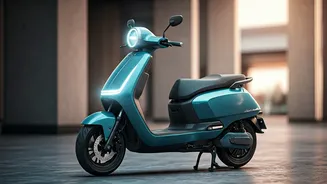
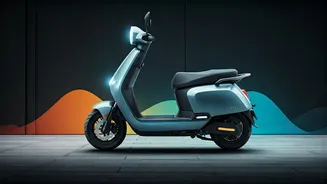
To make switching to electric an easy choice, the policy offers significant financial benefits. Buyers of new electric two-wheelers can get an incentive of up to ₹30,000 in the first year, which will taper down in subsequent years. For electric three-wheelers, the incentive is even higher, at ₹50,000 in the first year. The government is also targeting commercial vehicles, offering a subsidy of ₹1 lakh for new N1 category electric trucks. Furthermore, owners of older BS-IV vehicles who scrap them to buy a new EV can receive an incentive of up to ₹1 lakh, a move designed to get the most polluting vehicles off the road quickly.
A Roadmap with Deadlines
This isn't just about incentives; the policy sets firm deadlines to force a transition. From January 1, 2027, the registration of new three-wheelers and N1 commercial trucks will be restricted to electric models only. An even bigger shift will happen on April 1, 2028, after which no new petrol or CNG-powered two-wheelers will be allowed for registration in the capital. School bus operators are also included, with a mandate to convert at least 10% of their fleet to electric within two years of the policy's notification.
The Charging Infrastructure Blueprint
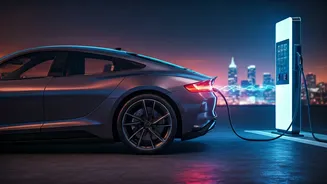
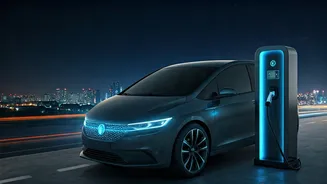
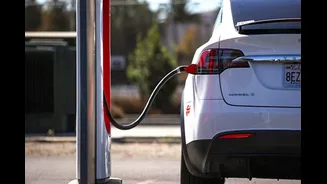
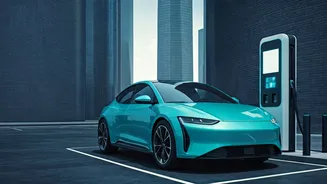
An EV is only as useful as its nearest charging point. Recognizing this, the policy includes a massive push for charging infrastructure. The government plans to install over 30,000 new public EV charging points over the next four years, funded through a combination of state budgets and central schemes like PM e-Drive. This expansion is crucial to eliminate 'range anxiety' and support the growing fleet of EVs. The Municipal Corporation of Delhi is also working to identify land and partner with public sector undertakings to create integrated charging hubs.
What Does This Mean for Delhi?
The policy represents a fundamental shift from simply encouraging EV adoption to mandating it in key, high-pollution segments. For citizens, it means not only cheaper electric vehicles but also the promise of cleaner air. For the auto industry, it provides a clear, long-term roadmap that is expected to boost investment and innovation in the EV sector. While the goals are ambitious, the success of this policy will depend on robust implementation, from the seamless online portal for incentives to the rapid rollout of charging stations across the city.