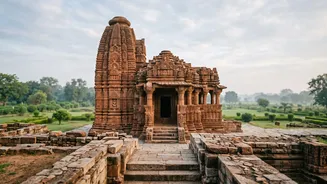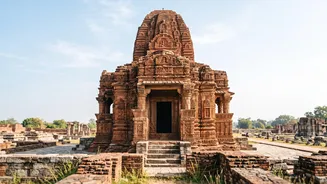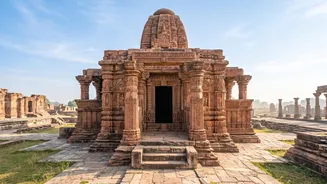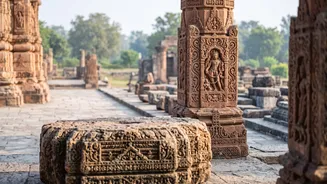






What is the Sirpur Cultural Landscape?
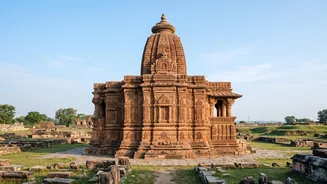
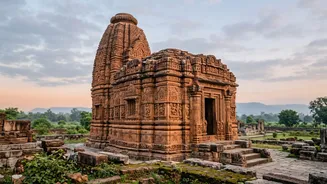
Located on the eastern bank of the Mahanadi River, about 78 kilometres from Raipur, Sirpur is a sprawling archaeological site that was once a thriving capital city known as Shripur. Today, it is a treasure trove of historical ruins dating from the 5th
to the 12th centuries. The landscape is most famous for its remarkable synthesis of religious traditions; excavations have unearthed an extensive network of Hindu temples, Buddhist monasteries (viharas), and Jain shrines, all coexisting within a single urban settlement. This harmonious blend of Shaivite, Vaishnavite, Buddhist, and Jain cultures makes Sirpur a rare and significant example of religious tolerance and cultural fusion in ancient India.
A Glimpse Into Sirpur’s Golden Age
Sirpur flourished as the capital of the Panduvamshi dynasty, particularly during the 7th and 8th centuries. It was a major centre for religion, commerce, and learning. The city's prominence is noted in the writings of the famous 7th-century Chinese traveller, Xuanzang (also known as Hiuen Tsang), who visited the region and described a prosperous kingdom with around 100 Buddhist monasteries and approximately 10,000 monks of the Mahayana tradition. Among its most celebrated monuments is the Lakshmana Temple, a 7th-century brick temple dedicated to Vishnu, which is considered one of the finest and best-preserved examples of its kind in India. The discovery of over 2,000 artifacts, including sculptures, coins, and intricate bronze statues, highlights Sirpur's role as a major hub for art and craftsmanship.
Understanding the UNESCO Tentative List
Inclusion on the UNESCO Tentative List is a crucial first step in the long journey towards becoming a World Heritage Site. It is essentially an inventory of properties that a country believes have 'Outstanding Universal Value' and intends to nominate for inscription in the coming years. A site must be on this list for at least a year before it can be formally nominated. While being on the list does not guarantee final selection, it officially puts the site on the global radar and acknowledges its potential significance. Sirpur's inclusion was part of a recent update where it was added alongside two natural sites from the Andaman and Nicobar Islands.
What This Recognition Means for Sirpur
This tentative recognition brings significant international attention to Sirpur's rich past. For Chhattisgarh, it marks a major milestone in showcasing its historical legacy on a global stage. The immediate effect is increased visibility, which is expected to boost heritage and spiritual tourism, particularly from countries with strong Buddhist traditions. This newfound prominence will likely encourage enhanced conservation and management efforts for the site, which is managed by the Archaeological Survey of India (ASI). It provides the necessary impetus for state and central authorities to invest further in protecting and promoting this ancient landscape, ensuring its preservation for future generations.
The Path to World Heritage Status
The journey for Sirpur is far from over. The next stage is the most demanding: preparing a comprehensive nomination dossier. This detailed file must rigorously justify Sirpur's 'Outstanding Universal Value' by comparing it with similar sites globally and demonstrating its authenticity and integrity. The dossier will then be submitted to the World Heritage Centre for evaluation by advisory bodies like the International Council on Monuments and Sites (ICOMOS). This evaluation process is meticulous and can take a considerable amount of time. Success would mean Sirpur joining the esteemed list of World Heritage Sites, cementing its place as a location of immense importance to all of humanity.