







Setting the Record Straight
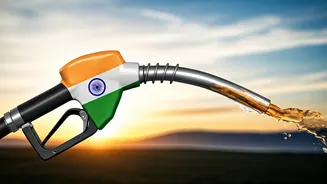
On Sunday, India's Ministry of Petroleum and Natural Gas officially refuted reports claiming that Bhutan had rejected an offer to import E20 petrol. Through a public statement, the ministry clarified that its Oil Marketing Companies (OMCs) had not made
such an offer, and no proposal for exporting the fuel to the Himalayan kingdom was on the table. The government's fact-check was a direct response to a swirl of media reports and political allegations suggesting that several neighbouring countries, including Bhutan, had refused India's new standard fuel.
The Story Behind the Statement
The clarification came after a report in a Bhutanese newspaper stated that Bhutan had requested Indian suppliers to continue providing conventional petrol. The report cited Bhutanese officials who expressed reservations about adopting E20 fuel due to practical challenges. These concerns included the country's ageing fuel storage infrastructure, which might not be suitable for ethanol-blended petrol, and the risk of water contamination. Given Bhutan's mountainous terrain, there were also questions about whether E20 could deliver the consistent engine performance required on steep roads.
What is E20 Fuel?
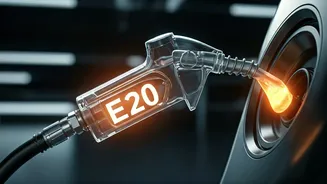
E20 is a blend of 80% petrol and 20% ethanol, a biofuel typically derived from sugarcane or grains. India mandated its nationwide use from April 2025 as part of a larger strategy to reduce its reliance on costly crude oil imports, enhance energy security, and lower carbon emissions. While the government and industry experts have affirmed the fuel's reliability after extensive testing, its rollout has been debated among some vehicle owners in India, particularly those with older models, who have reported issues like reduced mileage.
An Enduring Energy Partnership
For decades, India has been the sole and indispensable supplier of petroleum, oil, and lubricants to Bhutan. This arrangement is enshrined in a formal Memorandum of Understanding that ensures an uninterrupted flow of fuel. Indian public sector undertakings like Indian Oil (IOCL) and Bharat Petroleum (BPCL) deliver various fuels, including petrol, diesel, and LPG, to several entry points across the border. This long-standing relationship has been a cornerstone of the unique friendship between the two countries, making any discussion around fuel supply particularly sensitive.
Reading Between the Lines
India's swift denial is more than just a factual correction; it's a diplomatic move. By stating that no formal offer was made, New Delhi sidesteps a public narrative of 'rejection' by its closest ally. It subtly acknowledges the practical constraints its neighbour faces without creating friction. Bhutan, for its part, has not publicly opposed India's biofuel policy but has highlighted the need to upgrade its infrastructure before adopting new fuel standards. Its request for continued supply of conventional petrol reflects a practical assessment of its current capabilities, not a political disagreement.
The Broader Strategic Context
The conversation around fuel types is a small part of a much larger strategic picture. The India-Bhutan relationship is built on deep trust, mutual security interests, and extensive cooperation in areas like hydropower. Any shift in this dynamic, even on a seemingly technical matter like fuel specifications, is watched closely. Bhutan, which imports all of its fuel requirements from India, is navigating a complex period of rising global energy prices. Ensuring a stable, predictable, and suitable fuel supply from India is paramount for its economic stability and underscores the interdependent nature of this special relationship.