




To walk through Kolkata is to read a story written in brick and plaster. The city's soul isn't just in its art or its people, but in the very bones of its buildings, which carry the weight of history and whisper tales of a glorious, complex past.
A City Built on Colonial Grandeur
Kolkata's
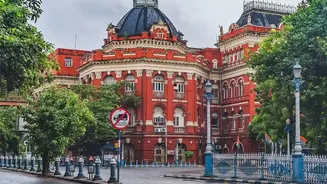
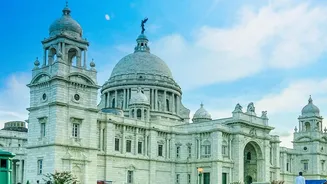
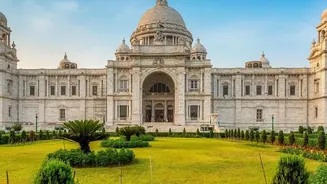
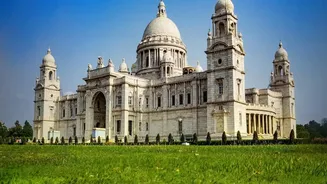
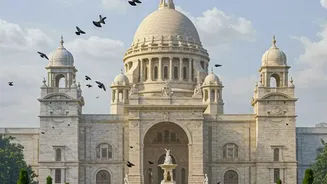
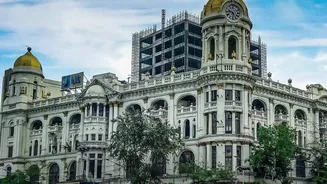
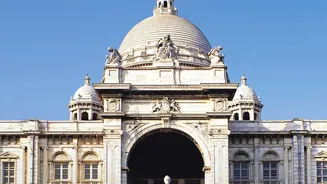
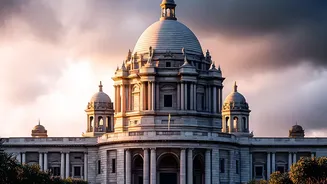
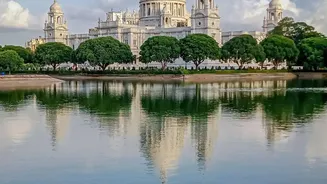
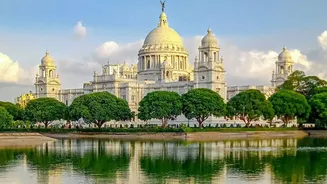
architectural story is deeply rooted in its colonial past. As the capital of British India until 1911, it was designed to be a 'City of Palaces', a grand statement of imperial power. The British constructed monumental edifices in a variety of European styles, leaving a lasting imprint on the city's landscape. Structures like the iconic Victoria Memorial, a stunning blend of Mughal and British design, and the formidable Writers' Building, with its Greco-Roman facade, were built to project authority and splendour. This era introduced Neo-Gothic, Neoclassical, and Victorian styles, which flourished in the 'White Town'—the area reserved for the British—and established an architectural baseline that still defines central Kolkata. These buildings were more than just offices and monuments; they were an attempt to recreate a European capital on Indian soil, shaping a distinct urban identity.
The Rise of a Distinctly Bengali Style
While British influence was dominant, Kolkata's identity was never a simple colonial replica. A unique architectural fusion began to emerge, particularly in North Kolkata, the 'Black Town' where wealthy Bengali landowners resided. Here, a hybrid style evolved, blending European motifs with traditional Indian elements. Opulent courtyard-style mansions, or 'baris', featured intricate cast-iron balconies, large airy verandas, and louvered windows known as 'khorkhori janla'—all practical adaptations to the local climate. This architectural conversation was a key part of the Bengal Renaissance, a phenomenal intellectual and cultural movement centred in Kolkata during the 19th and early 20th centuries. The homes of luminaries like the Tagore family at Jorasanko Thakur Bari became crucibles of this new identity, mixing Indian tradition with global ideas.
Crumbling Walls and Living History
Today, many of these old buildings stand in a state of graceful decay, their peeling paint and weathered facades telling a story of time's passage. This isn't necessarily a sign of neglect but a reflection of a complex relationship with the past. For many Kolkatans, these structures are not relics but living heritage, their crumbling walls repositories of memory and nostalgia. The narrow lanes of North Kolkata, with their generations-old mansions, evoke a sense of journeying back in time. This tangible connection to history is a core part of the city's character. While some buildings are now celebrated heritage sites, many more remain private residences, their histories interwoven with the daily lives of the families within. This delicate balance between preservation and the pressures of modern urban development is an ongoing struggle.
Heritage as a Modern Identity
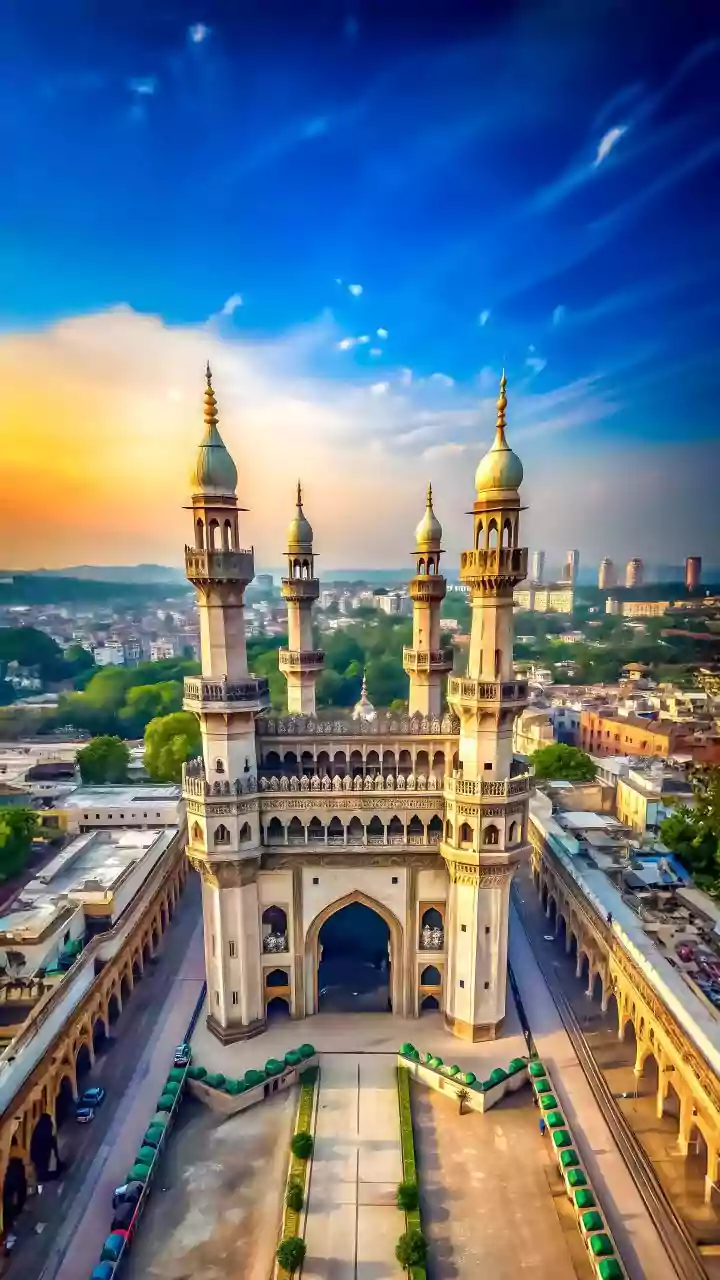
In a world of uniform glass-and-steel skylines, Kolkata's old buildings give it a distinct and powerful identity. The city's reputation as India's 'Cultural Capital' is intrinsically linked to its architectural atmosphere. The grand colonial structures and romantic, decaying mansions provide a backdrop for its vibrant life of art, literature, and intellectual debate ('adda'). This architectural tapestry, a mix of European grandeur and Bengali ingenuity, is a testament to the city's history of cultural exchange and resilience. The buildings are not just a tourist attraction; they are a source of pride and a constant reminder of the city's layered past, from its imperial zenith to its intellectual and artistic golden age.