

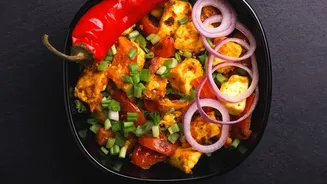

What Exactly Has Been Prohibited?
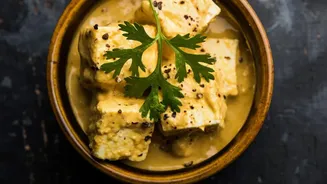
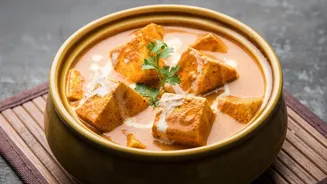
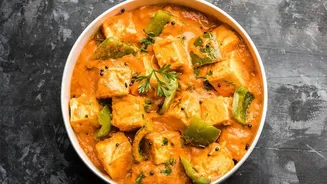
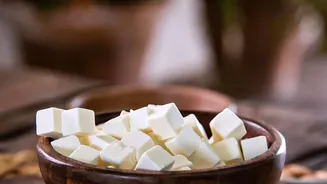
The Maharashtra government has imposed a complete, one-year ban on the manufacture, sale, and distribution of what is known as 'analogue' or non-dairy paneer. The order, issued by Food Safety Commissioner Tukaram Mundhe, applies to the entire supply chain,
including manufacturing, processing, packing, storage, transportation, and both wholesale and retail sales. This means the product cannot be sold on its own or used as an ingredient in restaurants, by caterers, or in cloud kitchens across the state. The move makes Maharashtra the second state in India, after Chhattisgarh, to enact such a prohibition. Officials have clarified that the ban does not affect tofu or other soy-based products, which are governed by separate regulations.
From Disclosure and Raids to a Full Ban
This statewide prohibition is not a sudden development but the culmination of a months-long crackdown on food adulteration. For some time, the state's Food and Drug Administration (FDA) has been conducting raids on facilities suspected of producing fake dairy products. These operations led to the seizure of large quantities of spurious paneer, including one raid in Pune that uncovered 1,400 kg of the fake product. The move from what was effectively a policy of disclosure and enforcement actions to an outright temporary ban signals that officials felt the earlier measures were insufficient to curb the problem, which members of the Maharashtra Assembly had repeatedly flagged.
The Government's Rationale: Health and Transparency
The primary reasons cited for the ban are public health concerns and the misleading nature of the product. Analogue paneer is typically made using vegetable oils, starches, and other non-dairy substitutes instead of milk fat, making it cheaper to produce but generally lower in protein. The government has acted to protect consumers from being misled by a product that looks like traditional paneer but lacks its nutritional profile and is often made with substandard ingredients. Food Safety Commissioner Tukaram Mundhe stated the prohibition was necessary because there are currently no prescribed food standards for analogue paneer, making its quality difficult to regulate.
Strict Penalties for Violators
The government is backing the prohibition with severe penalties to ensure compliance. Under the Food Safety and Standards Act, 2006, violations can lead to imprisonment for up to six months and a fine of up to ₹1 lakh. However, the consequences can be far more serious. In cases where the consumption of unsafe food leads to a person's death, the law allows for life imprisonment and a minimum fine of ₹10 lakh. The FDA has made it clear that it will be conducting inspections across the state to enforce the order, and has already suspended hundreds of food business licenses for other violations in its broader food safety campaign.
What Happens During the One-Year Ban?
The prohibition is currently set for a maximum period of one year, as permitted under the Food Safety and Standards Act. This period will likely be used to disrupt the existing market for fake paneer and force food businesses to clean up their supply chains. The ban forces producers, restaurants, and other food firms to guarantee that all dairy items they sell meet official safety standards. It is part of a wider state campaign against food adulteration aimed at creating a more transparent and secure food supply for consumers. The long-term effects and whether the ban will be extended or replaced with new regulations will be closely watched by consumer groups and the food industry.