






The Alphonso Rush
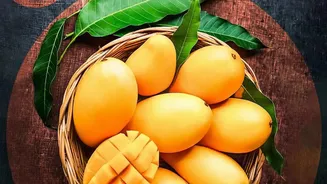
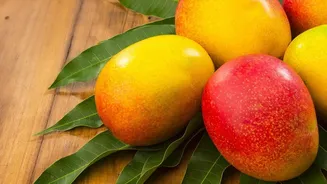
For the global mango market, the Indian export season is often synonymous with one name: Alphonso. This premium variety, celebrated for its rich flavour and creamy texture, drives a short but intense export window primarily from April to June. This narrow
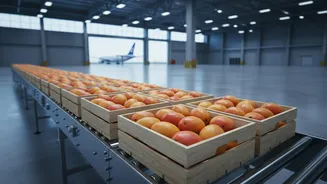
timeframe creates a logistical bottleneck, putting immense pressure on farmers, packers, and exporters. The race to harvest, pack, and ship a highly perishable fruit within a few weeks leads to challenges like insufficient cold storage, high freight rates, and limited air cargo space. Furthermore, this reliance on a single, weather-sensitive crop makes the entire industry vulnerable. A bad season for Alphonso, due to erratic weather or pests, can devastate export volumes and farmer incomes, as seen in recent years.
Why a Longer Season Matters
Extending the export window is more than a convenience; it's a strategic necessity. A longer season allows India to maintain a consistent presence in international markets, building stronger relationships with buyers who demand a reliable supply. It reduces the risk of post-harvest losses that occur when infrastructure can't handle the sudden peak-season glut. Economically, it allows for more stable pricing, as the supply is spread over a longer period, avoiding the dramatic price spikes and crashes associated with a short, concentrated harvest. For farmers, diversifying their crops to include varieties that mature at different times provides a crucial buffer against the climate and market risks tied to a single variety. Recent initiatives by APEDA to promote late-season varieties underscore this strategic shift toward building a more robust and sustainable export ecosystem.
Neelam: The Late-Season Contender
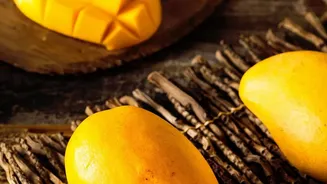
Enter the Neelam mango, a celebrated variety from South India that holds the key to extending the fresh export season. Unlike the Alphonso, the Neelam is a late-season variety, with its prime harvest running from late June through July, and sometimes into August. This neatly extends the availability of fresh Indian mangoes by several weeks. Prized for its sweet and tangy flavour, rich aroma, and good keeping quality, the Neelam is well-suited for transport. A recent, first-ever air shipment of Neelam and Totapuri mangoes from Karnataka to the Maldives, facilitated by APEDA, highlights the growing recognition of its export potential. By promoting Neelam, India can cater to international demand long after the Alphonso rush has subsided.
Totapuri: The Power of Pulp
While Neelam extends the fresh fruit calendar, the Totapuri mango offers a different but equally vital advantage in the processing sector. Recognizable by its parrot-beak shape, the Totapuri is the workhorse of the mango processing industry. Its primary value isn't as a table fruit but in its high pulp content, firm texture, and mild sweet-tart flavour, which make it ideal for producing pulp, puree, and concentrate. Totapuri mangoes are available from May to July, providing a substantial window for industrial processing. Processed mango pulp has a long shelf life and is a key ingredient in beverages, desserts, and other food products globally. By scaling up Totapuri processing, India can supply the world market year-round, moving beyond the seasonal limitations of fresh fruit exports and capturing a different segment of the global mango trade.
A Coordinated Path Forward
Leveraging Neelam and Totapuri to their full potential requires a strategic shift. The global market, particularly in premium segments, is heavily conditioned to expect Alphonso. Building brand recognition for Neelam as a quality fresh-eating mango and marketing the consistent quality of Totapuri pulp requires concerted effort. This includes investment in marketing, ensuring quality control, and strengthening supply chains through Farmer Producer Companies (FPCs) to connect farmers directly with global markets. The recent successful export to the Maldives, which reportedly gave farmers over 50% higher returns, shows that this model can work. By embracing these varieties, India can move from a market dictated by a short, high-stakes season to one that offers a diverse portfolio of quality mango products for a much larger part of the year.