






The Foundation of Balance
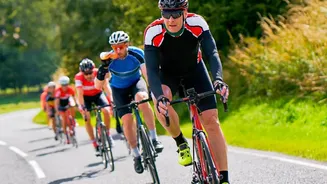
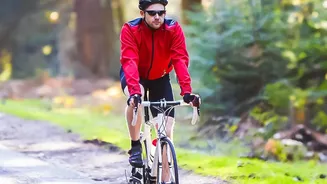
At its core, the balance challenge for cycling and skating comes down to physics. A bicycle is inherently more stable. When it's moving, the gyroscopic effect of the spinning wheels helps keep it upright, meaning a large part of learning is trusting the bike
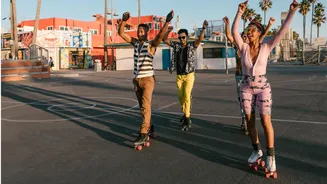
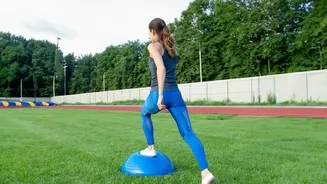
and its forward momentum. Your main job is to make small steering corrections and keep pedalling. Skating, on the other hand, requires you to be the source of all stability. You are constantly making micro-adjustments in your ankles, legs, and core to stay upright on a very small base of support. This is what's known as dynamic balance, the ability to maintain control while in motion.
The Learning Curve: Quick 'Click' vs. Gradual Mastery
For many, learning to ride a bike is a skill that 'clicks'. There's often a distinct 'aha' moment where you pedal, find your balance, and suddenly you're riding. The process can be broken down into clear stages: starting, pedalling, steering, and stopping. Skating often involves a more gradual learning process. It's less about one big breakthrough and more about slowly building confidence through a series of smaller skills: standing still, marching in place, gliding, and eventually mastering how to stop effectively, which can be a significant challenge for beginners. The learning period can often take a few months to gain real fluency.
Muscle Engagement: Legs vs. Full Body
The way these activities use your muscles also plays a big role in how they feel. Cycling is famous for building powerful leg muscles, primarily targeting the quadriceps and hamstrings. While your core is definitely engaged to maintain stability on the bike, the main effort comes from your lower body. Skating offers a more comprehensive, full-body workout. It heavily engages your glutes (especially the side glute muscles), hips, lower back, and core to maintain balance. This constant demand on stabilizer muscles is why skating can feel more tiring initially but is fantastic for developing core strength and overall coordination.
The Fear Factor and Falling
Let's be honest, the fear of falling is a huge part of learning. With cycling, the falls can feel more dramatic because you're higher off the ground and often moving at a higher speed. However, once you learn basic control, falls become less frequent. Skating involves a different risk profile. Beginners tend to fall more often, especially backward, but the falls are from a lower height. This is why wrist guards are considered essential for skating, as the natural reaction is to put your hands out to break a fall. For both activities, a helmet is non-negotiable, and knee and elbow pads provide a welcome confidence boost.
Which Is Right For You?
Ultimately, neither activity is universally 'easier'—it depends on your personal goals and natural abilities. If you're looking for a skill that provides a relatively quick feeling of success and is highly practical for transportation over longer distances, cycling might be your best bet. Its balance is aided by the machine's momentum. If you are drawn to a challenge that builds full-body strength, improves dynamic balance in a profound way, and offers a workout that feels more like dancing or gliding, skating could be the more rewarding path, even if the initial learning curve feels steeper.