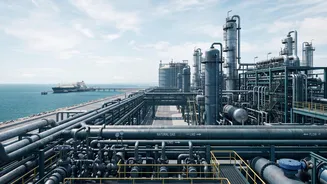





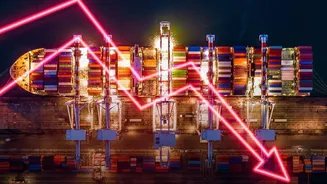


The world’s top energy watchdog has a stark message: don't expect relief from volatile energy prices anytime soon. The International Energy Agency (IEA) warns that the global energy crisis is set to continue, with market turmoil persisting into 2027.
The Core of the Warning
IEA Executive Director Fatih Birol has stated that he is not optimistic about a return to pre-crisis energy market conditions by 2027. Speaking at recent international energy conferences, Birol emphasized that ongoing geopolitical conflicts, particularly in the Middle East, have fundamentally disrupted oil and gas supplies, pushing prices to near-record highs and creating sustained market uncertainty. The IEA chief has urged governments and businesses to prioritize energy security, warning that the world will be 'healing its wounds' from this crisis for the next couple of years, assuming no new disruptions emerge.
Why Is This Happening?
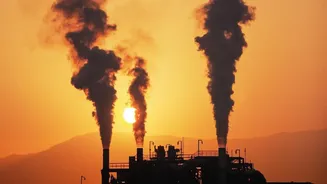
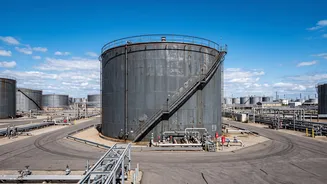
The crisis is a complex mix of geopolitics and market dynamics. Conflicts have tightened a global oil market that was otherwise expected to see a surplus, creating a ripple effect on both crude oil and refined products like diesel. Brent crude futures have flirted with levels around $117-$120 per barrel, significantly higher than pre-war figures, due to supply disruptions and attacks on energy infrastructure. This has led to what the IEA describes as a 'fragile' market balance, with tight supplies of crucial fuels like diesel and gasoil expected to persist well into 2027. The agency also notes that elevated natural gas prices have prompted some countries in Asia and Europe to switch back to coal for power generation, further complicating the energy landscape.
What This Means for India
For India, a major energy importer, this global turbulence has direct consequences. The IEA forecasts that India's electricity demand will grow robustly, at an average of around 6.3% to 7% annually through 2027, driven by economic expansion and increased use of air conditioning. This makes India a significant driver of global energy demand growth. While the country is aggressively expanding its renewable capacity, particularly solar power, coal is expected to remain a dominant part of its energy mix, contributing around 67% to its power generation in 2027. High global oil and gas prices put pressure on India's import bills, potentially leading to higher inflation and impacting everything from transportation costs to household electricity bills.
The Double-Edged Sword of Clean Energy
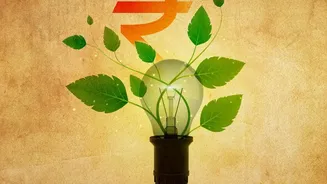
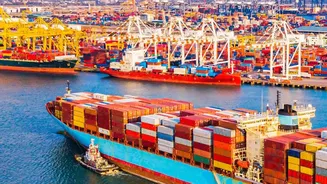
The crisis is accelerating the shift to alternatives. Global investment in clean energy is expected to reach $2.2 trillion in 2026, nearly double the amount flowing into fossil fuels. The IEA notes a 'strong comeback' for nuclear power, with 90 gigawatts of capacity currently under construction globally—the highest in four decades. However, the IEA also sounds a new alarm: the supply chains for clean energy technologies like solar panels, wind turbines, and batteries are highly concentrated in a small number of countries. This creates a new form of energy security risk, where geopolitical tensions or trade disputes could threaten the supply of essential components needed for the green transition.
The Outlook Through 2027
The IEA's message is clear: the era of predictable, lower cost energy is on hold. Global electricity demand is set to grow faster in 2026 and 2027, driven by data centers, electric vehicles, and industrial activity. While investment is pouring into clean energy, the transition won't be fast enough to completely shield consumers from the volatility in fossil fuel markets. Fatih Birol does not see a 'credible pathway' back to the stability of the past within this timeframe. For consumers and businesses, this means preparing for a period of sustained high prices and understanding that energy security has become a top global priority, with consequences for every part of the economy.