




What is Synthetic Paneer?
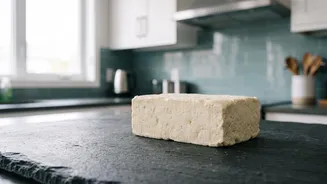
Synthetic paneer, also called analogue paneer, is not the real deal. Genuine paneer is made by curdling fresh milk with a food acid like lemon juice or vinegar. Synthetic paneer, however, is a cost-cutting imitation made from a mixture of ingredients.
These often include skimmed milk powder, unhealthy vegetable oils like palm oil, starch, and various chemicals. In some cases, concerning substances like urea and even detergents have been found, used to create a texture and appearance that mimics real paneer. The primary motivation for its production is economic; it is far cheaper to produce than paneer made from pure milk, allowing unscrupulous sellers to increase their profit margins.
Why Chuna is Added
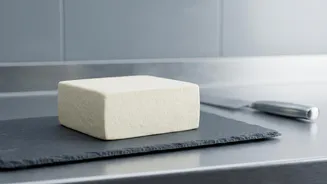
The mixture of vegetable oils, starch, and milk powder used to create synthetic paneer often results in a dull, yellowish block. To counter this, manufacturers add whitening agents. Recent food safety raids, particularly in Haryana, have revealed that chuna (slaked lime or calcium hydroxide) is being used for this purpose. The chuna bleaches the mixture, giving it the bright white appearance that consumers associate with fresh, high-quality paneer. This is a deliberate tactic to deceive buyers, making a low-quality, potentially harmful product look authentic and appealing. It's a key part of the deception, tricking people into paying for what they believe is a nutritious dairy product.
The Serious Health Risks
Consuming synthetic paneer poses significant health dangers that go beyond poor nutrition. While food-grade chuna is used in small amounts in some traditional preparations, industrial-grade slaked lime can be an irritant. Ingesting it can cause gastrointestinal issues like burning sensations, abdominal pain, and vomiting. Beyond the chuna, the other ingredients are also a major concern. The presence of detergents and urea can lead to food poisoning and digestive complications. Regular consumption of adulterated paneer containing various chemicals and non-edible fats can place a heavy burden on the liver and kidneys, potentially leading to long-term organ damage.
How to Identify Fake Paneer
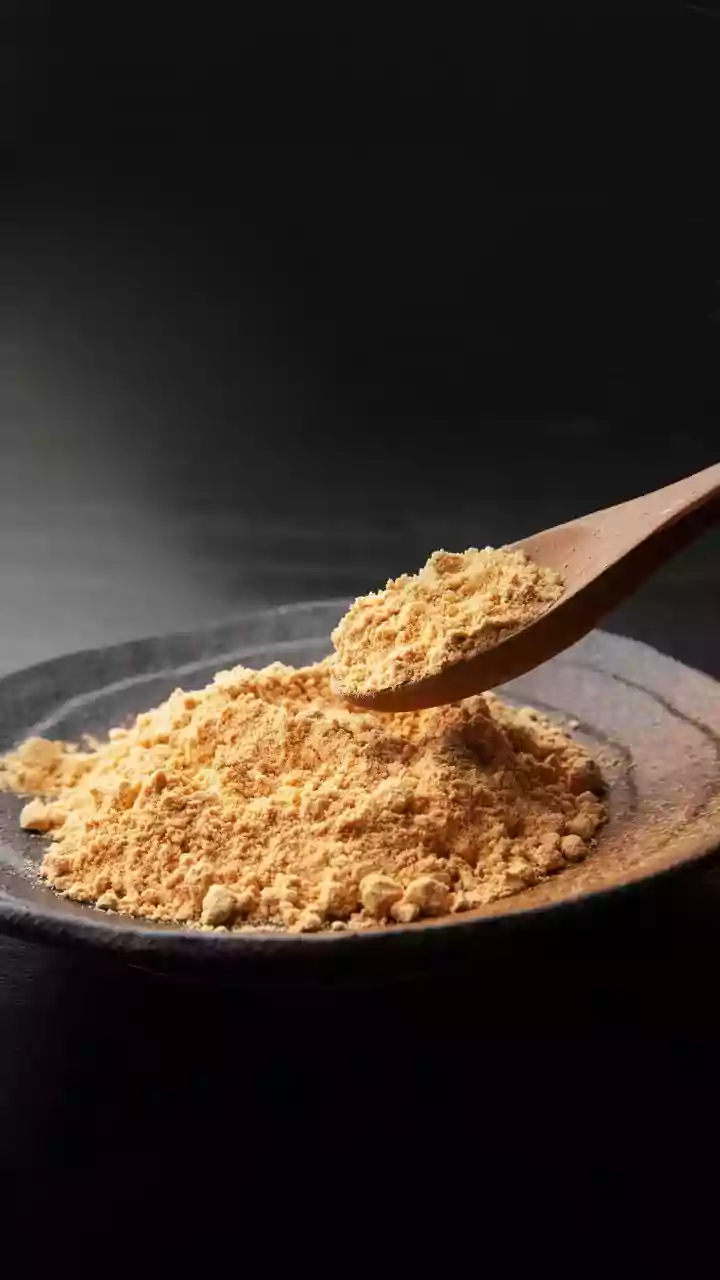
You don't need a lab to spot a fake. Here are some simple tests you can do at home to check your paneer: 1. The Texture Test: Real paneer is soft and crumbly. If you try to mash it, it will break apart. Synthetic paneer often feels rubbery, dense, or unnaturally smooth. If it's chewy when you taste it, that's a red flag. 2. The Iodine Test for Starch: This is one of the most reliable tests. Boil a small piece of paneer in water. After it cools, add a few drops of iodine tincture. If the water or paneer turns blue or black, it confirms the presence of starch, a common adulterant. 3. The Dal Powder Test for Urea/Detergent: Boil a piece of paneer and let it cool. To the water, add about half a teaspoon of arhar (toor) dal powder or soybean powder and let it sit for 10 minutes. If the water turns a light red colour, it indicates the presence of urea or detergents. 4. The Smell and Taste Test: Trust your senses. Pure paneer has a mild, milky aroma and taste. Fake paneer might be tasteless or have a soapy, acidic, or chemical flavour.
Tips for Buying Safe Paneer
Being a vigilant consumer is your best defence against adulteration. Always try to buy paneer from trusted, licensed dairies or reputable brands. If you are buying packaged paneer, check for the FSSAI license number, a clear ingredients list, and the manufacturing date. Be wary of paneer that is sold at an unusually low price, as this is often a sign of cost-cutting and potential adulteration. Avoid products that look excessively white, as this could be a sign of chemical bleaching. Whenever possible, making paneer at home from good quality milk is the safest option, giving you complete control over the ingredients and process.