





The 'Natural' Doesn't Mean 'Safe' Myth
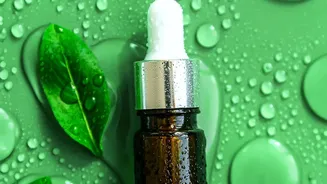
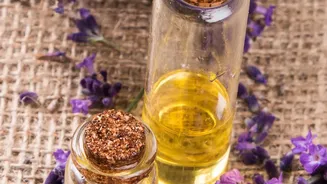
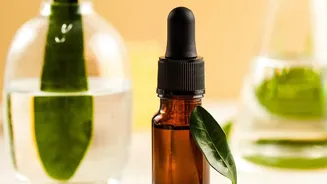
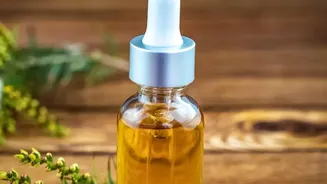
The biggest misconception surrounding essential oils is that if an ingredient is natural, it must be gentle and safe for your skin. However, essential oils are highly concentrated plant extracts. It can take hundreds of kilograms of plant material to
produce a single small bottle of oil, making them incredibly potent. This concentration is key; many compounds that are harmless in a whole plant can become irritants when applied to the skin in such high doses. Dermatologists often flag fragrance components, many of which are derived directly from essential oils, as common causes of skin reactions. Thinking of 'natural' as a synonym for 'safe' can lead to misuse and unexpected skin problems like redness, stinging, or breakouts.
Understanding the Risks: Irritation and Allergies
There are two primary ways your skin can react negatively to essential oils. The first is irritant contact dermatitis, which is a direct reaction to a substance. It can cause redness and a painful or burning sensation where the oil was applied. This can happen to anyone if the oil is used undiluted or in too high a concentration. The second, and more lasting, issue is allergic contact dermatitis. This is a true allergic reaction that develops after your immune system becomes sensitized to a substance. You might not see a reaction the first few times you use an oil, but once the allergy develops, even tiny amounts can trigger an itchy, red rash that can take days or weeks to clear. Common culprits for allergic reactions include lavender, tea tree, ylang-ylang, and lemongrass oil.
The Danger of Sun Exposure: Phototoxicity
A specific risk tied to certain essential oils is phototoxicity, a reaction that occurs when the treated skin is exposed to UV light. Compounds in some oils, particularly cold-pressed citrus oils like bergamot, lemon, lime, and grapefruit, can make your skin hyper-sensitive to the sun. This can result in a severe, painful sunburn, blistering, and skin discoloration that may take hours to appear. Because of this, it's crucial to avoid sun exposure for at least 12 to 24 hours after applying phototoxic oils to the skin. It’s important to note that steam-distilled versions of these citrus oils are generally not phototoxic, as the process removes the problematic compounds.
Your Essential Safety Checklist
Enjoying the benefits of essential oils while protecting your skin is possible with a few simple rules. First and foremost: always dilute. Never apply an essential oil 'neat' or undiluted directly onto your skin. Mix it with a carrier oil like jojoba, almond, or coconut oil first. A safe dilution for adults is typically 1-2%, which translates to about 6-12 drops of essential oil per 30 ml of carrier oil. Before using a new oil blend, always perform a patch test. Apply a small amount of the diluted oil to your inner forearm and wait 24 hours to see if any redness, itching, or irritation develops. Finally, avoid adding essential oils directly to bathwater, as they don't mix with water and will float on top as concentrated droplets, which can irritate sensitive areas.
Oils That Require Extra Caution
While any essential oil can potentially cause a reaction, some are known to be more problematic than others when applied to the skin. Citrus oils are top of the list for their phototoxic potential. Mint oils like peppermint and wintergreen can also be potent irritants, especially on the sensitive skin of the face. Other oils frequently flagged by dermatologists for causing reactions include cinnamon, clove, oregano, jasmine, and lemongrass. This doesn't mean you can never use them, but they demand even lower dilutions and more careful patch testing. If you have pre-existing skin conditions like eczema or psoriasis, or generally sensitive skin, you are at a higher risk of reacting and should be extra cautious.