




Look Beyond the Perfect Photo
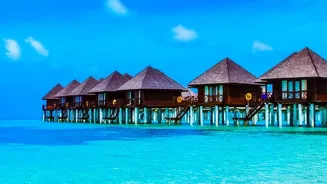
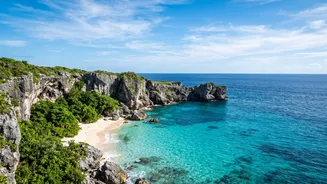
Social media has revolutionised travel inspiration, but it's also a master of illusion. That stunning, empty beach or serene landmark often has its own hashtag and a crowd of people just out of frame waiting to take the exact same shot. An endless stream
of identical photos is a red flag that a place might be more of a photo-op than an authentic experience. To get a real sense of a place, dig for unfiltered content. Search for the location's geotag on Instagram and look at the 'recent' tab, not just the 'top' posts. This shows you the reality of the crowds, the weather, and the general vibe on a normal day, not just the highly polished version from influencers.
Read Reviews Like a Detective
Online reviews are invaluable, but they require critical reading. Don't just look at the star rating. A key strategy is to read the bad reviews first. While some are just from grumpy travellers, they often reveal recurring problems like unexpected costs, severe overcrowding, or poor service. Pay close attention to reviews from the season you plan to visit, as experiences can vary dramatically between peak and off-peak times. Also, focus on the details. A review that says, "The hotel was terrible," is less useful than one that explains, "The room was next to a noisy elevator, and the 'beach view' was obstructed by a new building." Look for trends in both positive and negative comments to get a balanced picture.
Evaluate the Popularity-to-Value Ratio
Some places are famous for a reason, while others are simply famous for being famous. Ask yourself why a destination is so popular. Is it due to genuine, unique appeal or a massive marketing engine? If a place is constantly mobbed but doesn't seem to offer a truly special experience, it might be overrated. Consider the cost versus the experience. Are you paying a premium just to say you've been there, or does the value of the experience justify the price and the crowds? Sometimes, the most rewarding spots are the lesser-known alternatives that offer similar attractions without the inflated prices and long queues.
Check the 'Tourist-to-Local' Footprint
A major sign of a tourist trap is a lack of local presence. If the streets are lined only with souvenir shops, generic restaurants with laminated, multi-language menus, and tour operators, you're likely in a bubble created exclusively for tourists. Authentic destinations have a blend of businesses that serve both locals and visitors. Before you go, use online maps to explore the streets around a major attraction. Are there local grocery stores, cafes with neighbourhood regulars, and residential buildings? Seeking out areas where local life unfolds will almost always lead to more genuine and memorable experiences.
Embrace the 'Shoulder Season'
Many destinations become overrated simply because they are visited at the wrong time. The peak season brings with it maximum crowds, peak prices, and stressed infrastructure. Travelling during the 'shoulder seasons'—the months just before or after the peak period—can transform your experience. You'll often find pleasant weather, fewer tourists, and more relaxed locals. Researching a destination's seasonal trends can reveal the sweet spot where you can enjoy its attractions without the overwhelming pressure of the high season, turning a potentially overrated spot into a genuinely enjoyable one.
Search for What's Next Door
For every world-famous, overcrowded attraction, there's often a fantastic, less-trafficked alternative nearby. Instead of searching for the main event, try looking for content on "alternatives to X" or "hidden gems near Y." These alternative spots frequently offer a similar vibe—be it historical ruins, natural beauty, or cultural experiences—but without the crush of people. This approach not only helps you dodge the pitfalls of over-tourism but also allows you to discover unique places that most travellers miss, making your journey feel more personal and adventurous.