




The Reality: A Healthy Fat Powerhouse
The biggest confirmed benefit of moringa seed oil lies in its fantastic fatty acid profile. It is exceptionally rich in a monounsaturated fat called oleic acid, often making up over 70% of the oil's content. This is the same heart-healthy fat that makes
olive oil famous. Monounsaturated fats like oleic acid are celebrated for their positive effects on cardiovascular health, including helping to lower 'bad' LDL cholesterol while maintaining 'good' HDL cholesterol. This composition makes moringa oil a stable, nutritious oil that's a worthy addition to a balanced diet, particularly when used in place of saturated fats.
The Myth: A Guaranteed Immunity Shield
Here's where the claims often get ahead of the evidence. While various parts of the moringa tree contain antioxidants and compounds that have shown anti-inflammatory or immunomodulatory effects in lab settings, these don't automatically translate to guaranteed immune benefits from the oil in humans. The immune system is incredibly complex, and no single food or oil can act as a magic shield. While the antioxidants like vitamin E found in the oil are beneficial and help protect cells from damage, current scientific research on humans is limited. It's more accurate to say the oil has components that could theoretically support the immune system, rather than claiming it's a proven immune booster.
From Tradition to Trend: Sahjan in Ayurveda
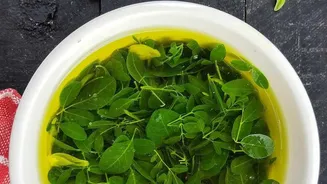
Long before it became a global trend, moringa—known in India as 'Sahjan' or 'Shigru'—was a staple in Ayurvedic medicine. For centuries, nearly every part of the tree has been used to address a wide range of ailments. In Ayurveda, it is considered a 'tridoshic' herb, meaning it can help balance all three doshas (Vata, Pitta, and Kapha), making it a versatile and highly valued plant. Its traditional uses range from relieving joint pain to improving digestion and purifying the blood. This deep cultural history explains why it's revered as a 'miracle tree', though traditional use is different from claims validated by modern clinical trials.
Beyond the Kitchen: A Skincare Star
One of the most well-established uses for moringa seed oil is topical. Thanks to its high oleic acid content, the oil is a fantastic moisturiser that can penetrate deeply without feeling greasy or clogging pores. It helps to form a protective barrier on the skin, sealing in moisture and defending against environmental damage. The same properties make it a nourishing treatment for hair, helping to soften and add shine. The oil also contains antioxidants and anti-inflammatory compounds that can soothe and repair the skin, making it a popular ingredient in lotions, balms, and facial oils.
How to Choose and Use Moringa Oil
If you decide to try moringa seed oil, quality matters. Look for bottles labelled 'cold-pressed', as this extraction method helps preserve the oil's nutritional compounds and delicate flavour, which is often described as light and nutty. 'Unrefined' is another good sign. For culinary use, its high smoke point makes it suitable for light sautéing, but its pleasant flavour is best enjoyed in dressings, drizzled over vegetables, or blended into smoothies. For skincare, you can apply a few drops directly to your face and neck after cleansing or add it to your favourite moisturiser for an extra boost of hydration.