



The Holy Trinity of the Breakfast Table
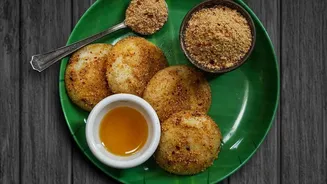
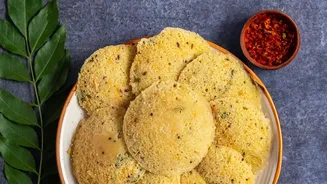
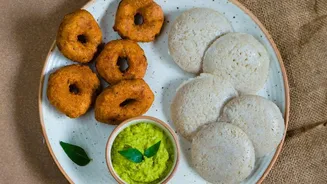
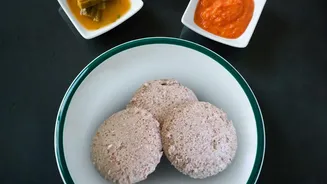
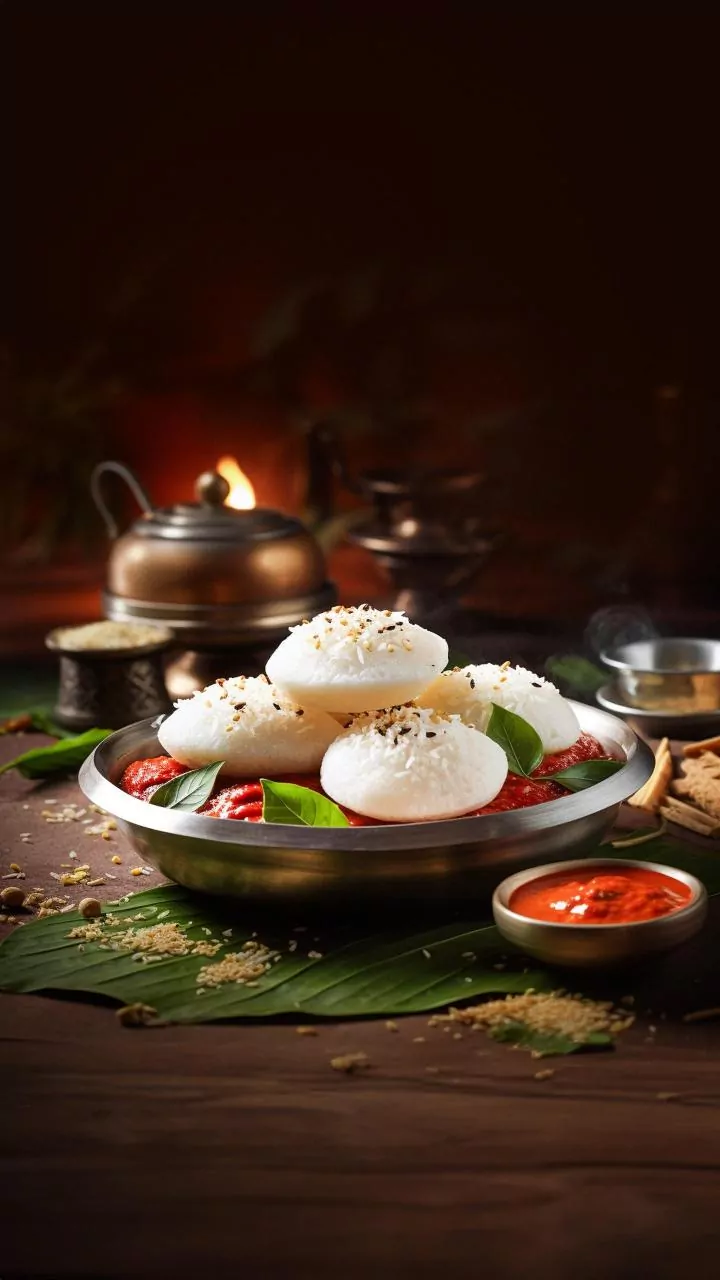
In the world of South Indian breakfasts, the trio of idli, podi, and ghee is legendary. The idli, a soft, pillowy steamed cake of fermented rice and lentils, is the perfect neutral canvas. The podi—often called 'milagai podi' or 'gunpowder'—is a coarse,
dry powder of roasted lentils, chillies, and spices that provides texture and a fiery kick. And then there’s the ghee. It’s not just a binder; it’s a flavour enhancer. The warm, nutty liquid fat mellows the chilli's heat, carries the aromatic spices, and helps the dry powder cling lovingly to every bite of idli. Without it, the podi can feel harsh and gritty. Together, they create a complete, satisfying mouthful that is both comforting and complex.
Not All Podis Are Created Equal
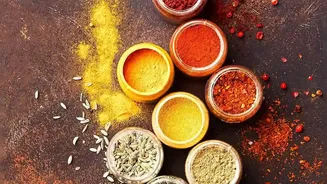
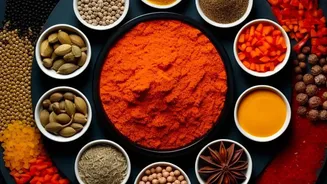
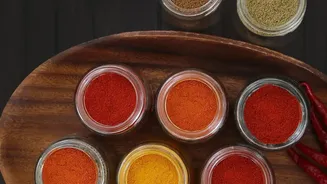
Understanding your podi is the first step to getting the ratio right. While the basic ingredients are often urad dal, chana dal, and dried red chillies, recipes vary from one household to the next. Some versions include sesame seeds, garlic, dried coconut, or curry leaves, all of which affect the final taste and texture. A coarser podi will absorb more ghee, while a finer, more powdery version will become saturated much faster. Some podis are also spicier than others. Using less pungent varieties like Kashmiri or Byadagi chillies can give a vibrant colour without overwhelming heat. The key is to know what you're working with, as a highly absorbent, spicy podi will require a different approach than a fine, mild one.
The Secret 'Well' Technique
The most common mistake is pouring ghee haphazardly over a mound of podi. This leads to an unevenly mixed, often oily mess where some parts are drowning and others remain bone-dry. The traditional, and far superior, method is to create a 'well'. Spoon the desired amount of podi onto your plate. Then, using the back of the spoon, make a small depression in the centre of the powder. This little crater is where you'll pour the ghee. Always use warm, melted ghee; cold ghee will clump up and won't mix properly. By pouring it into the well, you create a central reservoir of flavour. You can then tear off a piece of idli and dip it into the edge of the podi, picking up a little of the dry powder and then dipping it into the ghee-filled centre for a perfectly coated, non-greasy bite. This gives you complete control over every single piece.
Finding Your Golden Ratio
While there's no universal formula, a good starting point is a ratio of roughly two parts podi to one part ghee. Begin by spooning about two teaspoons of podi onto your plate and creating your well. Pour in one teaspoon of warm ghee. From here, you can adjust. If the mixture looks too pasty or thick, add a few more drops of ghee. If it becomes a thin, oily pool, you've gone too far. The goal is a thick, luscious paste that coats the idli without dripping. Remember, you can always add more ghee, but you can't take it away. It’s better to start with less and add as needed. Some people prefer to toss their idlis in the podi-ghee mixture, but this method requires more precision. For tossed podi idli, ensure the idlis are firm (leftover or refrigerated ones work well) to prevent them from crumbling.
Common Mistakes to Avoid
To achieve podi-ghee perfection, steer clear of these common pitfalls. First, never mix the entire container of podi with ghee. Only prepare what you need for a single serving to keep the rest of your podi fresh and dry. Second, avoid using oil as a direct substitute if you want that classic rich flavour; while sesame oil is also a traditional pairing, it offers a nuttier, sharper taste compared to the mellow richness of ghee. Third, don't use cold or solidified ghee, as it won't blend into the powder smoothly. Gently warming it makes all the difference. Finally, resist the urge to drench the entire plate. The well method is popular for a reason—it promotes mindful dipping and ensures that the last bite is just as good as the first, without being greasy.