





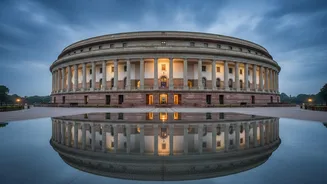
A Monsoon Session in Deadlock
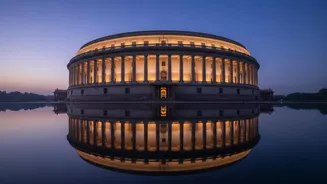
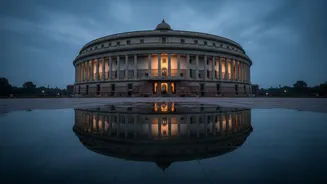
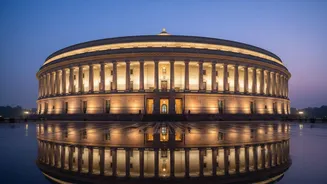
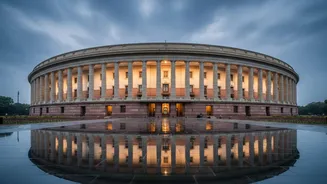
The ongoing Monsoon Session of Parliament has been characterised by frequent and intense disruptions. From the moment proceedings begin, both the Lok Sabha and Rajya Sabha have frequently descended into chaos, with slogan-shouting and protests forcing
repeated adjournments. The primary points of contention have been the Opposition's demand for a detailed discussion and a statement from the Union Home Minister on several pressing issues, including the police response to recent student protests and controversies surrounding examination paper leaks. While the government points to the Opposition's tactics as a roadblock to progress, the Opposition argues it is denied adequate space for dissent and debate on matters of national importance. This cycle of accusation and counter-accusation has become a familiar script, leaving legislative business in a state of near-paralysis on many days.
Calculating the Cost of Chaos
The most tangible consequence of a stalled Parliament is its direct financial cost. A widely cited estimate, based on calculations from over a decade ago but still used as a benchmark, puts the cost of running a parliamentary session at approximately ₹2.5 lakh per minute. This figure accounts for a vast array of expenses, from salaries and allowances for Members of Parliament and their staff to the costs of electricity, security, and building maintenance. When calculated, this amounts to ₹1.5 crore for every lost hour and over ₹9 crore for a typical six-hour workday. With hours, and sometimes entire days, being washed out due to disruptions, the financial loss to the public exchequer quickly accumulates into crores of rupees, a bill ultimately footed by the taxpayer for zero legislative output.
The Deeper Legislative Damage
The financial drain, however, pales in comparison to the damage inflicted on the legislative process itself. A Parliament that isn't debating is a Parliament that isn't scrutinising. In the current session, crucial pieces of legislation, such as amendments related to the number of Supreme Court judges or the banking sector, have been passed amid the din with minimal or no discussion. When bills are passed without thorough debate, potential flaws, unintended consequences, and drafting errors go unnoticed. This not only results in weaker laws but also increases the likelihood of future litigation, as the legislative intent is not clearly established. The Chief Justice of India has previously warned that a lack of quality debate leads to ambiguity in laws, creating more work for the courts and inconvenience for citizens.
When Accountability Is Adjourned
Beyond law-making, Parliament's most critical function is to ensure the accountability of the government. Tools like Question Hour and Zero Hour are designed specifically for this purpose, providing MPs the opportunity to question ministers, raise issues concerning their constituencies, and hold the executive to account for its actions. Disruptions systematically erode this function. Question Hour is often the first casualty of an adjournment, meaning ministers are spared from answering tough questions on policy and performance. When deliberation is replaced with disruption, the system of checks and balances that underpins a healthy democracy is severely weakened. The government can avoid scrutiny on critical matters, and the public is left without answers.