








A Fever on the High Seas
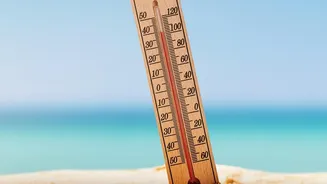
On August 22, 2026, the daily global average sea surface temperature reached 21.1°C, the highest value ever recorded. This measurement, tracked by the EU's Copernicus Climate Change Service, covers the entire ocean between 60°S and 60°N, excluding the polar
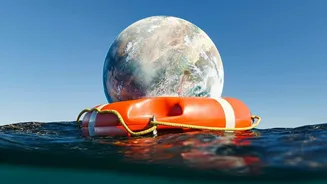
regions. What makes this record particularly alarming is its timing. Ocean temperatures typically peak in March or April, but this new high was set in August, a time when they should normally be declining. This unseasonal and unprecedented heat signals that our planet's largest climate regulator is under immense strain.
The El Niño Effect
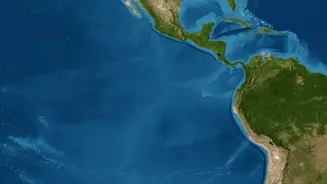
One of the key drivers of this recent spike is a strong El Niño event currently developing in the Pacific Ocean. El Niño is a natural and recurring climate pattern characterized by unusually warm water in the eastern tropical Pacific. This isn't a new phenomenon; it has occurred for centuries. Think of it as a temporary accelerator. It releases a vast amount of heat from the ocean into the atmosphere, pushing global temperatures higher. The current El Niño is predicted to be exceptionally strong, potentially reaching levels not seen in decades, which helps explain the intensity of the current ocean warmth.
The Unmistakable Human Fingerprint
While El Niño is a powerful natural force, it's not acting alone. For decades, the world's oceans have been absorbing more than 90% of the excess heat generated by human greenhouse gas emissions. This has created a much higher baseline temperature. So, when a natural cycle like El Niño occurs, it's happening on top of an already supercharged system. Scientists are clear that the long-term, human-driven warming trend is what makes these new, more frequent, and more intense records possible. This record isn't just El Niño; it's El Niño amplified by climate change.
What This Means for India
Warmer oceans have direct and significant consequences for India. A warmer Indian Ocean can disrupt the delicate balance of the monsoon, the lifeline for the subcontinent's agriculture and water supply. Studies show that warming in the Indian Ocean can lead to a weaker monsoon circulation over the landmass, potentially causing reduced rainfall over central India. Furthermore, higher sea surface temperatures provide more fuel for cyclones. This increases the likelihood of more intense and destructive storms forming in the Arabian Sea and the Bay of Bengal, threatening coastal communities. Marine heatwaves also lead to devastating coral bleaching events, impacting fisheries that millions depend on.
More Than Just a Number
The 21.1°C record is more than a statistic; it's a symptom of cascading crises. Marine heatwaves, which have become more frequent and prolonged, stress and kill marine life, from coral reefs to fish populations. An underwater survey after a 2020 marine heatwave, for example, found that 85% of corals in the Gulf of Mannar were bleached. A warmer ocean is also less effective at absorbing carbon dioxide from the atmosphere, reducing its capacity to act as a crucial buffer against climate change. These effects ripple through the entire food web and have profound implications for global ecosystems and the economies that rely on them.