






A Beacon in a Slowing World
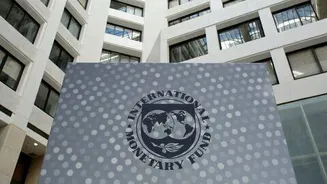
According to the IMF's latest World Economic Outlook report from July 2026, India is set to remain the fastest-growing major economy. The fund projects India's GDP to expand by 6.4% in the 2026-27 fiscal year. While this is a marginal trim from its earlier
forecast, it stands in stark contrast to the global outlook. The IMF anticipates global growth to slow to just 3.0% in 2026. India's projected growth is more than double that of China (4.6%), and significantly ahead of advanced economies like the United States (2.3%) and the Eurozone (0.9%). The report highlights that even as the world navigates a challenging economic landscape, India is a key engine of growth.
The Pillars of India's Growth
The primary driver behind India's resilience is its robust domestic demand. The IMF has pointed to strong momentum in private consumption and a resilient services sector as the main pillars supporting the economy. Unlike many other nations that are more dependent on exports, India's large internal market provides a significant cushion against global trade disruptions. This domestic strength has helped counterbalance external pressures. Furthermore, continued government investment in infrastructure and the visible benefits of supply chain diversification, particularly in the electronics sector, are providing additional support. For example, smartphone exports have become one of the country's largest export products.
Navigating the Global Obstacle Course
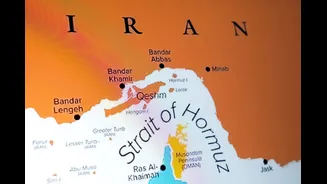
The IMF's optimism for India is tempered by a realistic assessment of global challenges, described as the "crosscurrents of war and technology". The primary headwind is geopolitical uncertainty, particularly the conflict in the Middle East, which has led to elevated energy prices. For an energy-importing nation like India, higher oil prices pose a significant risk, impacting everything from inflation to the current account deficit. The IMF notes that this energy shock is a key reason for the slight downgrade in India's near-term forecast. Global trade is also expected to slow considerably in 2026, and global inflation is predicted to pause its decline, creating a more complex environment for all economies.
Domestic Hurdles to Watch
While the overall picture is positive, India is not without its own internal challenges. The Reserve Bank of India has also cited risks from geopolitical tensions, elevated energy prices, potential supply disruptions, and weather-related uncertainties, which are crucial for the agricultural sector. Managing inflation, ensuring that the benefits of growth are widely distributed to boost consumption, and creating enough jobs for a young and growing population remain key policy priorities. The IMF has also suggested that to achieve its long-term goal of becoming a developed economy by 2047, India will need to continue its path of structural reforms. This includes strengthening skills, increasing labour market flexibility, and deepening trade integration.